
Causes of Rheumatoid Arthritis

Learn the factors that trigger RA, from genetics to lifestyle, and how understanding them can help with early detection and management.

Join Our Community   →

Causes of Rheumatoid Arthritis
Understanding the Causes of RA Higher Risk of RA Lifestyle Tips RA Diagnosed

Understanding the Causes of Rheumatoid Arthritis

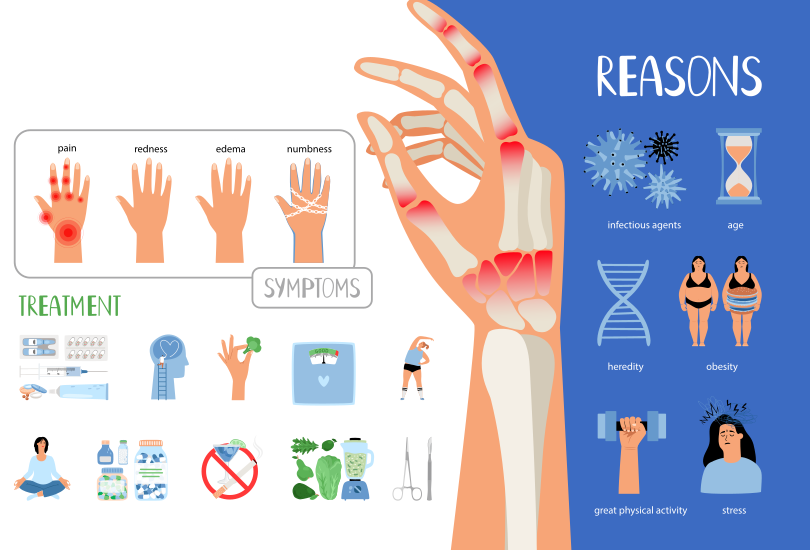
Rheumatoid Arthritis is a chronic autoimmune condition where the body’s immune system mistakenly attacks healthy joint tissue, leading to inflammation, pain, and long-term joint damage. The exact cause of RA is not fully understood, but it develops due to a combination of factors, including genetics, immune system dysfunction, hormones, lifestyle, and environmental triggers.

Understanding the causes and contributing factors is crucial for early detection, effective management, and reducing the risk of severe joint damage.

By recognizing these triggers, individuals can take proactive steps with their healthcare providers to manage symptoms of rheumatoid arthritis and protect their long-term joint health.
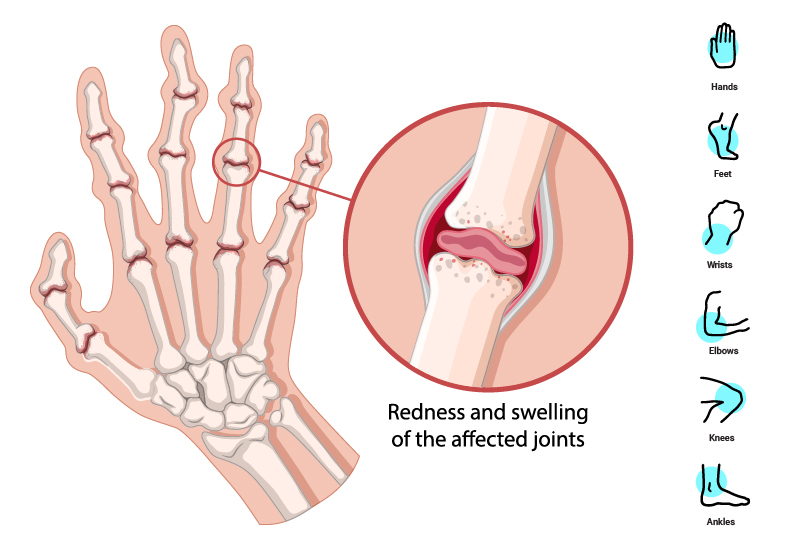
Understanding the Causes of Rheumatoid Arthritis

Who Is at Higher Risk of Rheumatoid Arthritis

Learn what leads to Rheumatoid Arthritis and how understanding causes can help with early detection.

Preventive Measures & Lifestyle Tips

Adopt healthy habits to reduce RA risk, manage symptoms, and protect joints.

While Rheumatoid Arthritis (RA) cannot always be prevented, certain lifestyle habits can reduce risk, delay onset, and manage symptoms:

  • Eat a balanced diet, quit smoking, and maintain a healthy weight
  • Swim, walk, or do yoga to improve joint mobility
  • Include omega-3s, antioxidants, and whole grains in your diet
  • Practice mindfulness, meditation, and get enough rest
  • Visit your doctor regularly for early detection and care

How is Rheumatoid Arthritis (RA) Diagnosed?

Learn how RA is diagnosed through tests, exams, and symptom evaluation.

Early diagnosis of Rheumatoid Arthritis (RA) is essential to prevent joint damage and improve long-term outcomes. Diagnosis usually involves a combination of medical evaluation, laboratory tests, and imaging to confirm the presence and severity of RA.

  • Medical & Family History
  • Physical Examination
  • Blood Tests (ESR, CRP etc.)
  • Imaging Tests (X-rays, ultrasound, or MRI etc.)
  • Symptom Monitoring
How is Rheumatoid Arthritis (RA) Diagnosed?
When Should You See a Doctor?

When Should You See a Doctor?

Early medical attention for RA improves diagnosis and treatment outcomes.

You should see a doctor if you experience:

  • Persistent joint pain, swelling, or stiffness
  • Morning stiffness lasting over one hour
  • Ongoing fatigue and low energy
  • Weak grip and daily task difficulty
  • Family history of autoimmune disease
  • Flare-ups triggered by stress or infections

Insights on RA Causes

What’s new in our journey against arthritis and spondylitis.

FAQs

Can Rheumatoid Arthritis be inherited?

+
Rheumatoid Arthritis can run in families. Having a genetic predisposition increases risk, but not everyone with a family history develops RA.

Does lifestyle affect the risk of Rheumatoid Arthritis?

+
Yes. Smoking, obesity, poor diet, and lack of physical activity can increase inflammation and raise the risk of developing RA.

Can infections trigger Rheumatoid Arthritis?

+
Certain infections may trigger RA in people who are genetically susceptible by activating the immune system.

Can early intervention prevent Rheumatoid Arthritis?

+
Early medical evaluation and lifestyle changes may reduce disease severity and help prevent long-term joint damage.

What causes Rheumatoid Arthritis?

+
RA is caused by an autoimmune response, where the immune system attacks healthy joint tissue, leading to inflammation, pain, and potential joint damage.

Are genetics important in RA?

+
Yes, family history and certain genes increase susceptibility to RA and influence immune system activity.

Can hormones trigger RA?

+
Hormonal changes, such as pregnancy or menopause, can affect immune function and increase RA risk, which is why RA is more common in women.
Dark Blue Arrow
Join Now Insights Patient Stories