
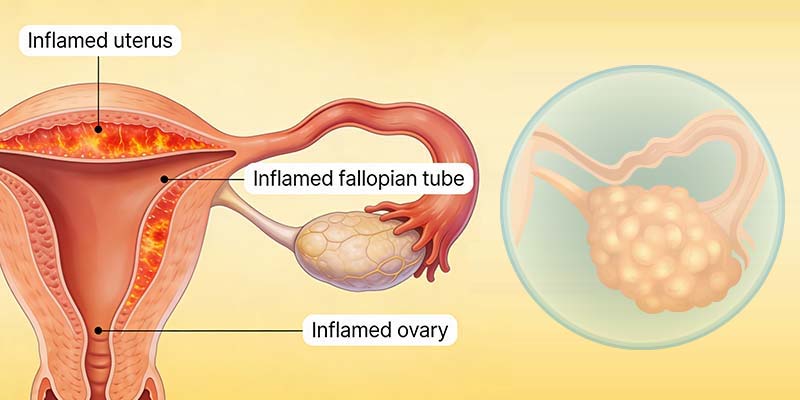
Inflammation is natural. It helps your body fight infections and heal injuries. But when it stays active for months or years, it becomes a problem.
This long-lasting inflammation is called systemic inflammation. It affects the whole body, not just one area.
In women, it can:
Many reproductive health problems today are linked to this hidden inflammation. Understanding it is the first step to managing it.
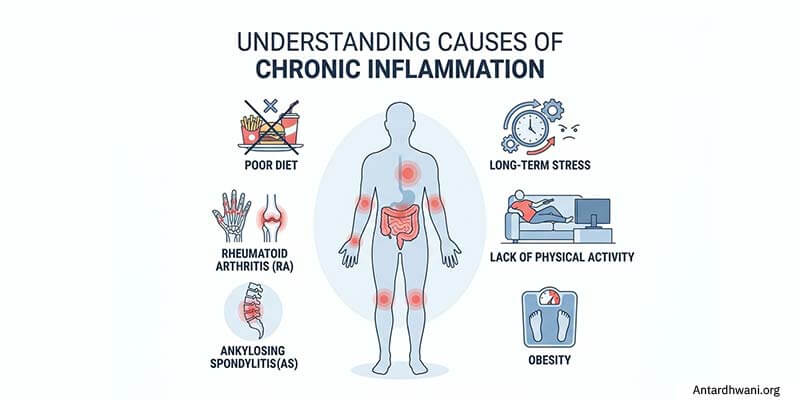
Chronic inflammatory conditions such as Rheumatoid Arthritis (RA) and Ankylosing Spondylitis (AS) are strongly linked to immune dysfunction and may also connect to the broader causes of rheumatoid arthritis being studied today.
The immune system is normally designed to respond to a perceived threat such as infection or injury, and once the threat has been dealt with the immune system should shut down in order to avoid damage. However, in the case of systemic inflammation the immune system does not know to ‘switch off’ and can remain ‘on’ for months or even years.
Even after removal of a perceived threat, in cases of systemic inflammation the immune system continues to be active and cause damage to healthy tissues and organs even when there is no longer an infection or injury present.
Several everyday factors can trigger chronic inflammation:
Two types of inflammation
| Type | Duration | Effect |
| Acute | Short-term (days to weeks) | A natural protective response that helps the body fight infection and repair damaged tissues |
| Chronic | Long-term (months to years) | Persistent inflammation that can gradually damage healthy tissues and organs |
Silent inflammation is typically a symptomless condition but can cause a lot of damage over time to organs and other tissues. The most common reproductive consequence of silent inflammation is infertility. Infertility affects up to 15% of couples worldwide, with female factors many of them inflammation-driven contributing significantly.
Source: Global Autoimmune Institute, 2025The female reproductive system works through a careful balance of two things:
For healthy reproduction, both must work together. The immune response must be active enough to protect, but not so active that it causes damage.
When systemic inflammation is present, this balance breaks down:
This makes it harder to conceive and harder to maintain a pregnancy.
Chronic inflammation can interfere at every stage of reproduction from ovulation to implantation to carrying a pregnancy to term.
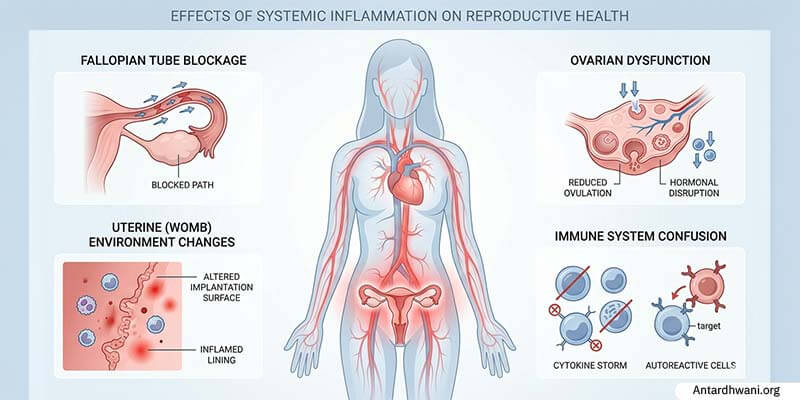
The fallopian tubes carry eggs from the ovaries to the uterus. When inflammation persists, it can cause:
A blocked tube prevents the egg and sperm from meeting. Conception becomes very difficult.
In some cases, inflammation-related damage raises the risk of ectopic pregnancy, where the fertilised egg implants outside the womb. This is a medical emergency.
The ovaries release eggs each month. Chronic inflammation disrupts this process by:
Poor egg quality reduces the chances of conception and increases the risk of early pregnancy loss.
Over time, chronic inflammation can reduce ovarian reserve, which means the number of healthy eggs available in the ovaries decreases. Women living with autoimmune diseases may also have a higher risk of premature ovarian failure, which can shorten their reproductive years and make conception more difficult, especially when pregnancy is delayed due to the condition itself or the treatments needed to manage it.
For a pregnancy to begin, the embryo must attach to the lining of the womb. Inflammation makes this harder by:
This can lead to:
Research confirms a direct link between systemic inflammation and repeated implantation failure and recurrent miscarriage. Autoimmunity, systemic inflammation, and conditions like chronic endometritis have all been identified as overlapping contributors to these outcomes.
Even when fertilisation happens successfully, an inflamed womb environment can prevent pregnancy from continuing.
Sometimes the immune system becomes overactive and starts attacking the body’s own reproductive tissues. This is called immune dysregulation.
In this state, the immune system can:
In autoimmune conditions like RA, this ongoing inflammation puts extra pressure on the reproductive system. Studies show RA is significantly associated with increased risks of miscarriage, intrauterine growth restriction, and low birth weight with RA linked to a nearly threefold increase in the likelihood of low birth weight compared to the general population.
Researchers also continue studying the genetic factors in ankylosing spondylitis that may increase inflammation and affect long-term reproductive health.
Reducing inflammation is one of the most important steps in improving fertility. Every person’s journey is different. Treatment should always be personalised based on the cause and severity of inflammation.
When inflammation is caused by infection, autoimmune activity or structural damage, doctors may recommend the following:
Along with lifestyle changes, proper treatment for ankylosing spondylitis and other inflammatory conditions can help reduce complications related to fertility and pregnancy.
What you eat plays a powerful role in controlling inflammation. An anti-inflammatory diet supports hormonal balance and helps the body repair itself.
Foods that help reduce inflammation:
Supplements that may help(always consult your doctor first):
Stress increases cortisol (the stress hormone). High cortisol levels worsen inflammation and disrupt hormonal balance.
Effective ways to manage stress and lower inflammation:
When inflammation has already caused significant fertility challenges, assisted fertility treatments (such as IVF or ICSI) may be recommended.
These help overcome specific barriers like:
For women with repeated implantation failure due to an inflamed womb lining, doctors may also consider immune-based therapies aimed at calming the immune response and improving the womb’s ability to accept an embryo.
Several common health conditions are closely linked to systemic inflammation. When not managed well, they make reproductive health problems worse.
| Condition | How it links to inflammation | Key effect on fertility |
| PCOS | Causes low-grade chronic inflammation | Disrupts ovulation; irregular or missed periods |
| Endometriosis | Tissue outside the womb triggers ongoing inflammation | Scarring around ovaries, tubes, and uterus |
| RA / AS | Autoimmune diseases keep inflammation constantly active | Hormonal disruption; higher pregnancy risk |
| Obesity | Fat tissue releases inflammatory chemicals (cytokines) | Worsens PCOS and insulin resistance |
| Metabolic syndrome | Linked to insulin resistance and chronic inflammation | Irregular cycles; ovulation problems |
These conditions are far more common than many realise. PCOS affects 6–13% of reproductive-aged women worldwide, with up to 70% going undiagnosed — making it the most common cause of anovulatory infertility. Endometriosis affects around 10% of women of reproductive age globally (an estimated 190 million individuals), and is associated with approximately 50% of infertility cases.
Source: BMC Public Health – GBD Study, 2025; Tidewater OB-GYN, 2025What to monitor and manage:
Systemic inflammation doesn’t always cause obvious symptoms. But its effects on reproductive health can be significant.
The earlier it is diagnosed and properly managed, the better the outcomes for fertility, pregnancy, and overall health.
Focus on:
You don’t have to navigate this alone. Antardhwani is here to support patients living with chronic inflammatory conditions with expert guidance, a strong community, and resources built for real life.
If you are living with ankylosing spondylitis or rheumatoid arthritis and have questions about how inflammation may be affecting your reproductive health, reach out to our team or explore our doctor panel for specialist guidance.


Living with AS or RA in India? This guide covers daily symptom management, real treatment costs, insurance gaps, mental health,…

Autoimmune diseases are rising sharply among young Indians. Discover the key causes lifestyle changes, stress, diet, and pollution and learn…

Whether rheumatoid arthritis can be cured permanently. Learn about treatment options, remission, lifestyle changes, and early diagnosis for better outcomes.