

Pregnancy is one of the most important milestones in a woman’s life. For women living with Rheumatoid Arthritis (RA), it also brings additional questions about fertility, medication safety, disease flares, and risks to the baby.
The reassuring news is this:
Most women with well-managed RA can have healthy pregnancies and healthy babies.
This comprehensive guide explains everything you need to know — from fertility and medication safety to trimester care and postpartum planning.
Pregnancy causes important shifts in the immune system, hormones, and inflammation levels to support the developing baby. Because rheumatoid arthritis is driven by immune activity, these biological changes can influence disease behaviour and treatment response.
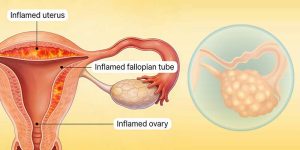
Chronic inflammation can also influence fertility, ovulation, and implantation. To understand this connection better, you can read our detailed guide on Systemic Inflammation and Women’s Reproductive Health
As a result, pregnancy may affect RA activity, medication choices, overall pregnancy outcomes, and the risk of postpartum flares. With proper medical guidance and monitoring, most women with RA can manage these factors safely.
Key Factors Influencing Pregnancy Outcomes in Rheumatoid Arthritis:
Rheumatoid Arthritis (RA) can influence fertility and pregnancy planning, especially when the disease is not well controlled. While most women with RA can conceive successfully, proper disease management and medical guidance before pregnancy are essential to ensure the best outcomes for both mother and baby.
RA itself does not usually cause infertility. However:
Pregnancy outcomes in women with rheumatoid arthritis (RA) have been widely studied, and current research provides reassuring insights. While RA can increase certain risks, most complications are closely linked to how active the disease is during pregnancy. Careful monitoring and good disease control significantly improve maternal and fetal outcomes.
Possible Pregnancy Risks with Rheumatoid Arthritis:
Active RA during pregnancy may slightly increase the risk of miscarriage and preterm birth, especially if inflammation is uncontrolled. There is also a higher chance of babies being small for gestational age. With proper monitoring and disease control, most women can still have healthy pregnancy outcomes.
This does not mean complications are inevitable – it means monitoring is important.
Large-scale studies show that inflammation control before and during pregnancy significantly reduces risk. Genetics may also play a minor role in some pregnancy complications, but disease management remains the most powerful protective factor.
Rheumatoid arthritis can behave unpredictably during pregnancy, with each woman experiencing a unique pattern of disease activity. Hormonal and immune system changes during this time can influence inflammation levels, making careful planning, monitoring, and medical guidance essential to support both maternal health and pregnancy outcomes.
Pregnancy does not affect all women the same way.
Pregnancy shifts the immune system toward tolerance to protect the baby. This immune adjustment can temporarily reduce autoimmune inflammation.
Women who:
Pre-pregnancy planning reduces this risk significantly.
Managing rheumatoid arthritis during pregnancy involves carefully balancing effective disease control with the safety of the developing baby. Treatment decisions are individualized, taking into account disease activity, medication safety at different pregnancy stages, and close medical supervision to ensure the best possible outcomes for both mother and child.
Managing RA during pregnancy requires balancing two priorities:
Medications used to manage rheumatoid arthritis during pregnancy are carefully selected to control inflammation while protecting the baby’s development. Low-dose corticosteroids may be prescribed to manage flares, though higher doses are usually avoided. Certain disease-modifying antirheumatic drugs (DMARDs), such as hydroxychloroquine and sulfasalazine, are often continued under medical supervision.
Some biologic therapies may be used in early pregnancy but are sometimes paused in the third trimester based on clinical need. Nonsteroidal anti-inflammatory drugs (NSAIDs) are generally avoided in late pregnancy because they may affect the baby’s heart and circulation.
Certain rheumatoid arthritis medications are not considered safe during pregnancy and must be discontinued well before conception. Drugs such as methotrexate and leflunomide are generally avoided due to potential risks to fetal development. Medication timing is also important, as some treatments may be safer in early pregnancy but not recommended later.
Pregnancy outcomes in rheumatoid arthritis largely depend on disease control before and during pregnancy. Active inflammation may increase certain risks, but proper treatment and monitoring significantly improve safety for both mother and baby. Understanding the difference between risk and likelihood is important, as many women with well-managed RA have healthy pregnancies and deliveries.
Women with active RA may face:
Well-controlled RA reduces these risks significantly.
Well-controlled RA reduces these risks significantly.
Again, these risks are higher when RA is active.
Relative risk may appear high in studies, but the absolute risk for most women remains moderate. This distinction is important for reassurance.
Most pregnancies in women with controlled RA are successful.

Careful preconception planning plays an important role in ensuring a safer pregnancy for women with rheumatoid arthritis. Achieving stable disease control and reviewing medications in advance helps reduce potential risks. Coordinated care between specialists, along with optimizing overall health, significantly improves outcomes for both mother and baby.
Preconception planning is the most important step.
Key Recommendations:
A proactive approach dramatically improves outcomes.
Pregnancy care in rheumatoid arthritis involves careful monitoring and adjustment across all trimesters. Early pregnancy focuses on medication safety and disease monitoring, while mid-pregnancy often brings symptom stability with continued fetal assessment. As delivery approaches, planning for birth and preparing for possible postpartum flares become essential for ongoing disease control.
Postpartum care includes medical support for both mother and baby after childbirth, with special attention to managing rheumatoid arthritis after pregnancy and monitoring potential flare-ups.
Most women with RA can have vaginal delivery. Caesarean is recommended only for obstetric reasons.
Discuss safe pain control options ahead of delivery.
Many RA medications are compatible with breastfeeding. Always confirm individually.
Flares are common after delivery due to immune rebound. A flare prevention plan should be discussed before childbirth.
Planning a pregnancy with rheumatoid arthritis requires thoughtful preparation and ongoing care. Healthy lifestyle habits, consistent medical guidance, and clear communication with your healthcare team can help keep the disease stable and support a safer pregnancy journey.
Birth defects can happen in any pregnancy for different reasons. Out of all babies born each year, about 3 out of 100 (3%) will have a birth defect. We look at research studies to try to understand if an exposure, like RA, might increase the chance of birth defects in a pregnancy.
There is no evidence that having RA will increase the chance of having a baby with a birth defect. While most medications used to treat RA do not increase the chance of birth defects, some might. This is why it is best to review your medications with your prescribing healthcare provider before you get pregnant, if possible.
Rheumatoid arthritis does not prevent a woman from becoming a mother. The likelihood of a healthy pregnancy is strongly influenced by achieving good disease control before conception, planning medications safely, receiving coordinated care from multiple specialists, and ensuring proper monitoring after delivery. With careful planning and expert medical guidance, women with RA can approach pregnancy with confidence and safely build their families.

Introduction Systemic inflammation refers to a long-lasting inflammatory response that affects the entire body. While inflammation is a natural and…

Introduction Rheumatoid arthritis (RA) is a chronic autoimmune disease that causes pain, swelling, stiffness, and reduced mobility in the joints.…

The Silent Epidemic Affecting Our Young Generation When 25-year-old Priya woke up one morning with stiff, swollen fingers, she dismissed…