

Rheumatoid arthritis is a long term autoimmune disease that mainly affects the joints. In this condition, the immune system, which normally protects the body from infections, mistakenly attacks the healthy lining of the joints. This causes inflammation, pain, swelling, and stiffness. Over time, if it is not treated properly, it can damage the joints permanently.
Women are more likely to develop rheumatoid arthritis than men. In fact, it affects women about two to three times more often. The disease often starts between the ages of 30 and 60, but it can develop earlier or later in life. Because the early symptoms can be mild and confusing, many women ignore them or think they are caused by stress, aging, or daily workload. This is why early diagnosis and timely treatment are very important.
When rheumatoid arthritis is detected early and treated properly, it is possible to control the symptoms, prevent joint damage, and maintain a good quality of life.
Rheumatoid arthritis is different from common joint problems that happen due to aging. It is not simply wear and tear of the joints. It is an autoimmune condition, which means the body’s defense system is attacking its own tissues.
In women, certain factors may increase the risk of developing this disease. Hormonal changes play an important role. For example, changes during pregnancy, after childbirth, or during menopause can influence how the immune system behaves. Some women notice that their symptoms improve during pregnancy and worsen after delivery.
Genetics also plays a part. If someone in the family has rheumatoid arthritis or another autoimmune disease, the risk may be slightly higher.
Rheumatoid arthritis usually affects the small joints first, especially in the hands and feet. It often affects both sides of the body in a similar way. For example, if one hand is painful and swollen, the other hand may also show similar symptoms.
Recognizing early symptoms can make a big difference. Many women experience mild symptoms at first and may not realize that something serious is developing.
One of the most common early signs is stiffness in the joints, particularly after waking up. This stiffness may last for more than 30 minutes and sometimes even for an hour or longer. It can also happen after sitting for a long time.
Unlike normal stiffness, which improves quickly after moving around, rheumatoid arthritis stiffness takes time to ease.
Pain and swelling usually begin in the small joints of the fingers and toes. The joints may look puffy and feel tender when touched. Some women find it difficult to grip objects, open jars, or perform small daily tasks.
The swelling often affects both sides of the body. For example, both wrists or both knees may be involved.
Extreme tiredness is another common symptom. This is not normal tiredness after a busy day. It is a deep sense of fatigue that does not improve even after rest.
Some women may also experience a mild fever, loss of appetite, or a general feeling of being unwell. These symptoms can appear before severe joint pain starts.
Because these signs can be confused with viral infections, stress, or hormonal changes, they are sometimes ignored.
Early diagnosis and treatment can greatly improve long term outcomes.
When inflammation continues for a long time, it can damage cartilage and bone. Starting treatment early helps control inflammation before permanent damage occurs.
There are effective medicines available today that can slow down the disease process. When started early, these medicines can prevent the condition from becoming severe.
Timely treatment reduces swelling, stiffness, and pain. This allows women to carry out daily activities more comfortably.
Women who receive early care are more likely to remain active and independent. They can continue working, caring for their families, and enjoying social activities.
Rheumatoid arthritis does not only affect the joints. It can also affect the heart, lungs, eyes, and blood vessels. Early treatment lowers the risk of these serious complications.
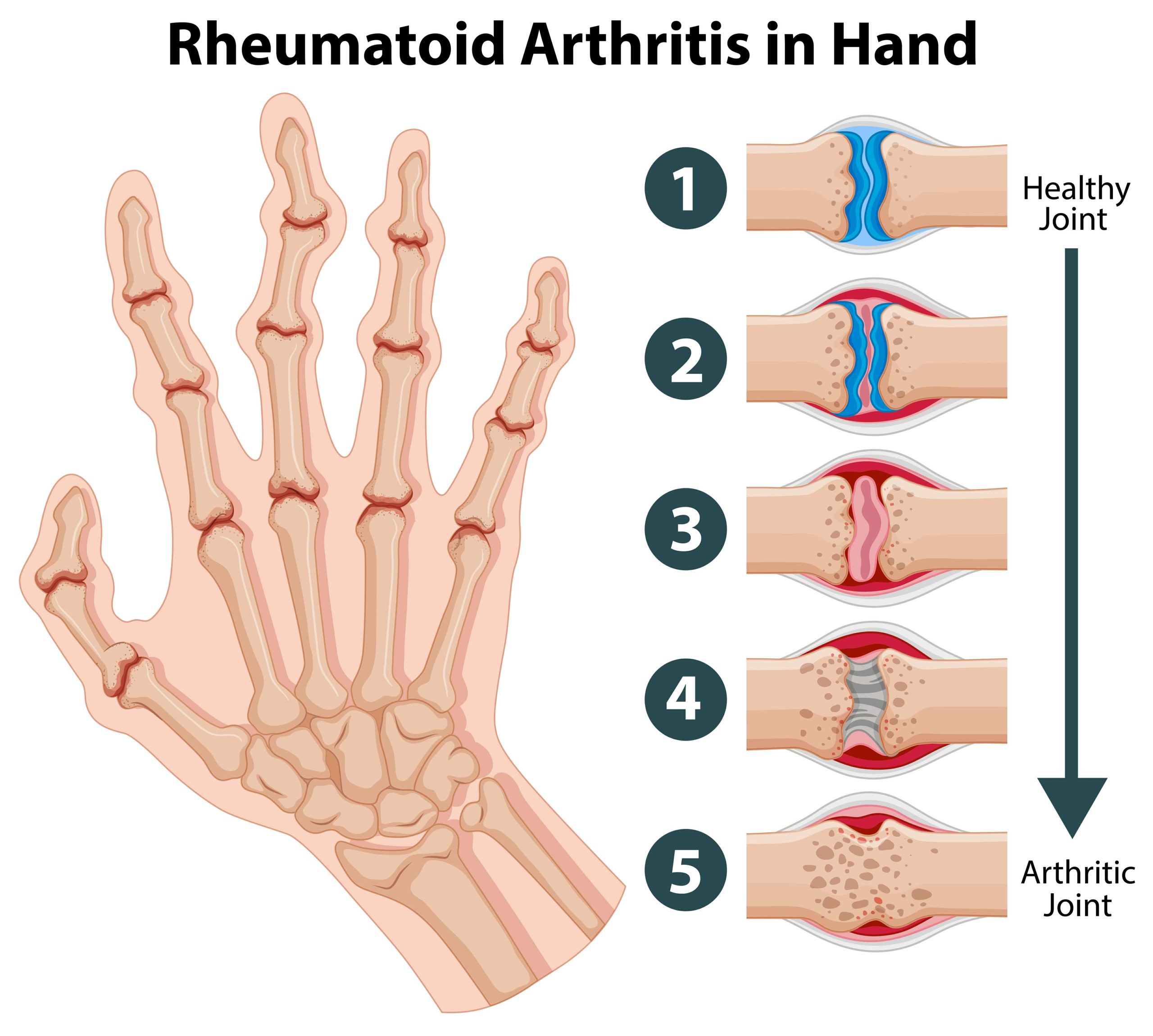
If rheumatoid arthritis is not treated, the inflammation can cause permanent joint damage. The joints may become deformed and lose their normal function. This can lead to difficulty walking, holding objects, or performing daily tasks.
Other possible complications include:
The longer the disease remains uncontrolled, the harder it becomes to manage.
Diagnosing rheumatoid arthritis in women can sometimes be challenging. Early symptoms are often mild and develop gradually. Many women ignore joint pain and fatigue because they are busy with work and family responsibilities.
Symptoms may also be mistaken for aging, vitamin deficiencies, or other common conditions. In some cases, women delay visiting a doctor until the pain becomes severe.
Greater awareness about early symptoms can help women seek medical advice sooner.
Diagnosing rheumatoid arthritis involves several steps.
The doctor will ask about symptoms, how long they have been present, and whether similar problems run in the family. During the physical examination, the doctor checks for swelling, tenderness, and movement in the joints.
Blood tests help detect inflammation and certain antibodies linked to rheumatoid arthritis. Common tests include Rheumatoid Factor, Anti CCP antibodies, ESR, and CRP. These tests support the diagnosis but are considered along with symptoms and examination findings.
X rays, ultrasound, or MRI scans may be used to look at the joints more closely. These tests can show early signs of inflammation or damage.
If rheumatoid arthritis is suspected, the patient may be referred to a rheumatologist. A rheumatologist is a specialist who treats joint and autoimmune diseases. Early consultation with a specialist improves treatment outcomes.
Rheumatoid arthritis is a serious condition, but it can be managed successfully with early diagnosis and proper care. Women are more commonly affected, and their symptoms are sometimes overlooked or misunderstood.
Persistent morning stiffness, joint swelling, and unusual fatigue should never be ignored. Seeking medical attention early can prevent long term joint damage and serious complications.
With timely treatment, regular follow up, and proper lifestyle support, women with rheumatoid arthritis can lead active, fulfilling lives. Awareness and early action are the keys to better health and better outcomes.

Introduction Systemic inflammation refers to a long-lasting inflammatory response that affects the entire body. While inflammation is a natural and…

Introduction Rheumatoid arthritis (RA) is a chronic autoimmune disease that causes pain, swelling, stiffness, and reduced mobility in the joints.…

Pregnancy is one of the most important milestones in a woman’s life. For women living with Rheumatoid Arthritis (RA), it…