
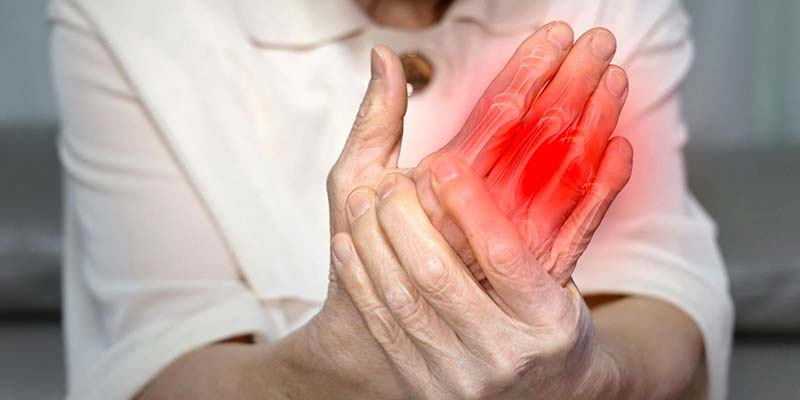
Rheumatoid arthritis (RA) is a chronic autoimmune disease that causes pain, swelling, stiffness, and reduced mobility in the joints. While RA can affect anyone, women are disproportionately impacted. In fact, women are two to three times more likely to develop rheumatoid arthritis than men. Beyond higher prevalence, many women also report more frequent flares, greater fatigue, and fluctuating symptoms over time.
One key reason behind this difference lies in hormones. Hormonal changes across a woman’s life—from puberty and menstruation to pregnancy and menopause—play a significant role in how the immune system behaves. Since RA is an immune-driven condition, these hormonal shifts can strongly influence disease activity.
This article explores why RA affects more women, the role hormones play in triggering flares, the unique challenges women face in daily life, and how treatment approaches may need to be more personalized for women living with RA.
Rheumatoid arthritis is an autoimmune disease, meaning the immune system mistakenly attacks healthy joint tissue. While the exact cause of Rheumatoid arthritis is still unknown, research shows that biological sex differences strongly influence immune function.
Women generally have a more active immune system than men. This helps the body fight infections more effectively, but it also increases the risk of autoimmune diseases. Conditions such as RA, lupus, and multiple sclerosis are all far more common in women.
Genetics also play a role. Certain immune-related genes linked to RA are influenced by sex hormones, which can affect how strongly these genes are expressed. Environmental triggers—such as stress, infections, smoking, or hormonal changes—can further increase risk in genetically susceptible women.
In short, women’s immune systems are more reactive, and when combined with hormonal fluctuations, this can increase both the likelihood of developing RA and the frequency of disease flares.
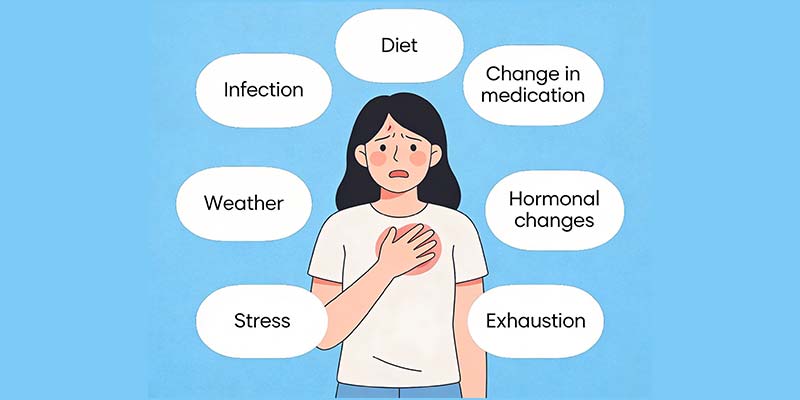
Hormones act as chemical messengers in the body, influencing everything from mood and metabolism to inflammation and immune response. In women with RA, changes in hormone levels can directly affect symptom severity.
Estrogen plays a complex role in rheumatoid arthritis. At certain levels, estrogen can have anti-inflammatory effects, helping to calm immune responses. This is one reason many women experience improvement in rheumatoid arthritis symptoms during pregnancy, when estrogen levels are high.
However, fluctuating estrogen levels—such as those during the menstrual cycle or menopause—can increase inflammation. Many women notice worse joint pain and stiffness just before their period, when estrogen levels drop.
Progesterone, another key female hormone, generally has immune-calming properties. Like estrogen, progesterone levels rise during pregnancy and may help reduce RA activity. When progesterone levels fall, inflammation may increase, contributing to flares.
Cortisol helps control inflammation, but chronic stress can disrupt its balance. Many women juggle multiple roles—work, caregiving, household responsibilities—which can lead to prolonged stress. Over time, this may reduce the body’s ability to control inflammation, worsening RA symptoms.
Menopause is a major turning point for many women with RA. The sharp decline in estrogen levels can lead to increased joint pain, stiffness, fatigue, and flare frequency. Studies show that some women experience worsening RA symptoms after menopause, while others may notice changes in how they respond to treatment.
Living with rheumatoid arthritis presents challenges for anyone, but women often face additional physical, emotional, and social burdens.
Women with RA frequently report severe fatigue that goes beyond normal tiredness. This exhaustion is often invisible to others, making it harder to explain limitations at work or home. Hormonal fluctuations can further intensify fatigue and pain, especially during menstrual cycles or menopause.
Many women are primary caregivers for children, elderly parents, or family members. Managing RA while caring for others can be physically and emotionally draining. Women may prioritize others’ needs over their own health, delaying rest, treatment adjustments, or self-care.
RA is closely linked to anxiety and depression, and women are more likely to experience these conditions. Chronic pain, unpredictable flares, body image changes, and hormonal shifts can all affect emotional well-being. Unfortunately, mental health symptoms are still under-discussed in RA care.
Women with RA often have questions about fertility, pregnancy, and breastfeeding. Concerns about medication safety, disease control during pregnancy, and postpartum flares can add stress and uncertainty, especially without proper guidance.
Because hormones influence RA activity, treatment for women often requires a more individualized approach.
Individualized treatment also depends heavily on access to trained rheumatology specialists. In many regions, the shortage of rheumatology departments makes early diagnosis and personalized care difficult. Learn more about this healthcare challenge in our article on why Gujarat needs more rheumatologist.
Some women notice predictable flares linked to their menstrual cycle. In such cases, doctors may adjust medication timing or dosage to better control symptoms during high-risk periods.
During menopause, treatment plans may need reassessment, as hormone changes can alter disease activity and drug effectiveness.
Many RA medications are safe during pregnancy, but some require modification. Close coordination between rheumatologists and obstetricians is essential. While pregnancy may bring symptom relief for some women, postpartum flares are common due to rapid hormonal shifts after childbirth.
In addition to medication, supportive strategies can make a significant difference:
While hormone replacement therapy (HRT) has been studied in postmenopausal women with RA, it is not a standard treatment and should only be considered after careful medical consultation.
Listening to Women’s Experiences
An important part of treatment is simply being heard. Women’s pain and symptoms have historically been under-recognized in healthcare. Tracking symptoms, noting flare patterns, and openly discussing hormonal changes can lead to better, more responsive care.
To extend this discussion on how hormonal changes influence rheumatoid arthritis in women, Antardhwani, an all-women educational event titled “RA & AS in Women: Navigating Joints and Hormones,” is being organized to focus on the biological connections explored in this article. The event aims to create awareness around how life stages such as menstruation, pregnancy, and menopause can impact inflammatory arthritis, while encouraging informed conversations around symptom patterns, personalized care, and women’s lived experiences. By centering women’s voices and hormone-aware perspectives, Antardhwani seeks to support a more holistic and empathetic approach to managing RA and AS in women.
Rheumatoid arthritis affects women differently—not just in how often it occurs, but in how it behaves over time. Hormones such as estrogen, progesterone, and cortisol play a powerful role in shaping immune responses, influencing flare patterns, symptom severity, and treatment outcomes.
From menstruation and pregnancy to menopause, hormonal transitions can make RA unpredictable and emotionally challenging. Combined with caregiving responsibilities, stress, and mental health pressures, women often carry a heavier burden while living with this disease.
Understanding the connection between hormones and rheumatoid arthritis empowers women to better recognize their bodies, advocate for personalized care, and seek support when needed. With empathetic healthcare, tailored treatment plans, and holistic support, women with RA can achieve better symptom control and improved quality of life.

Introduction Systemic inflammation refers to a long-lasting inflammatory response that affects the entire body. While inflammation is a natural and…

Pregnancy is one of the most important milestones in a woman’s life. For women living with Rheumatoid Arthritis (RA), it…

The Silent Epidemic Affecting Our Young Generation When 25-year-old Priya woke up one morning with stiff, swollen fingers, she dismissed…