
Rheumatoid Arthritis can present in different forms, with variations in symptom patterns, severity, and disease progression. These differences influence how quickly joint inflammation develops, which areas of the body are affected, and how the condition responds to treatment.
Recognizing the variability in RA is important for early detection and personalized care. By understanding the progression patterns and individual symptom profiles, healthcare providers can tailor treatment strategies, manage inflammation effectively, and help maintain long-term joint function and quality of life.
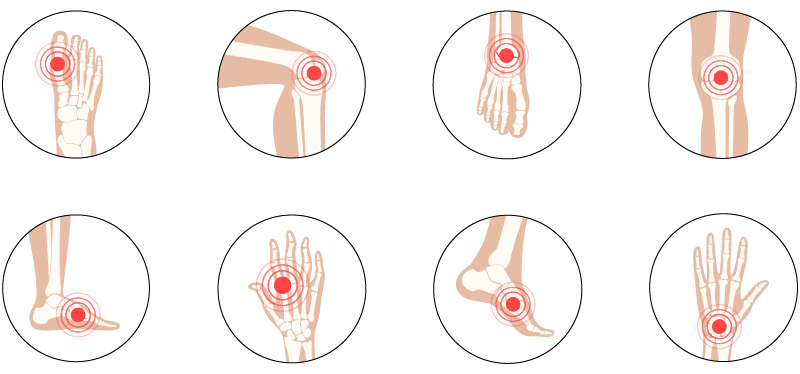
Rheumatoid Arthritis varies by individual, with differences in immune response, symptoms, and disease progression.

This is the most common type of RA. Individuals with seropositive RA test positive for rheumatoid factor (RF) or anti-CCP antibodies. Symptoms are often more persistent, and there is a higher risk of joint damage without timely treatment.

In this type, blood tests do not show RA-related antibodies, but joint inflammation and pain are present. Diagnosis is based on symptoms, physical examination, and imaging studies.

Palindromic rheumatism causes sudden episodes of joint pain and swelling that resolve completely between attacks. Some people with this condition may eventually develop chronic rheumatoid arthritis

Juvenile idiopathic arthritis affects children under 16 years of age. It is an autoimmune condition that can impact joint development and overall growth if not treated early.

Early RA is diagnosed within the first six months of symptom onset. Inflammation may be mild, and joint damage is usually minimal. Early treatment can significantly slow disease progression.

This form refers to RA that has been present for more than six months to a year. Symptoms may become ongoing and can lead to joint deformities, reduced strength, and functional limitations.
Although symptoms may vary by type and stage, most people with rheumatoid arthritis experience some common signs, including:
The exact cause of rheumatoid arthritis is not fully understood, but it develops due to a combination of immune, genetic, and environmental factors.
Early diagnosis is crucial for managing RA and preventing joint damage.
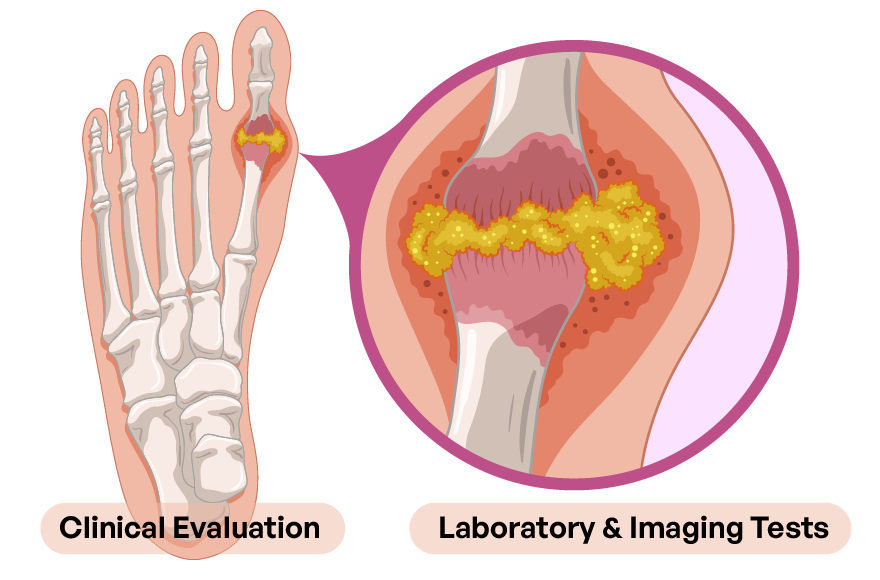
Explore effective ways to manage RA through medication, therapy, and advanced treatments.



Living with rheumatoid arthritis requires a combination of medical care, lifestyle adjustments, and emotional support. Effective management focuses on reducing inflammation, protecting joint health, and maintaining daily functionality.
Key management strategies include: