
Rheumatoid Arthritis (RA) is a long-term, chronic autoimmune disease in which the body’s immune system mistakenly attacks the synovium the lining of the joints. This abnormal immune response triggers persistent inflammation, leading to pain, swelling, stiffness, and eventual joint damage if left untreated.
Unlike osteoarthritis, which is caused by wear and tear, RA is systemic and inflammatory in nature, meaning it can affect multiple joints simultaneously and may also involve organs such as the heart, lungs, skin, and eyes. RA commonly affects smaller joints first such as those in the hands and feet—and progresses symmetrically, impacting both sides of the body. Early recognition and timely treatment are crucial to prevent irreversible joint damage and maintain long-term quality of life.
Rheumatoid Arthritis is classified based on immune markers, disease duration, and severity:


Understand RA causes and risk factors to identify early symptoms and support timely treatment.
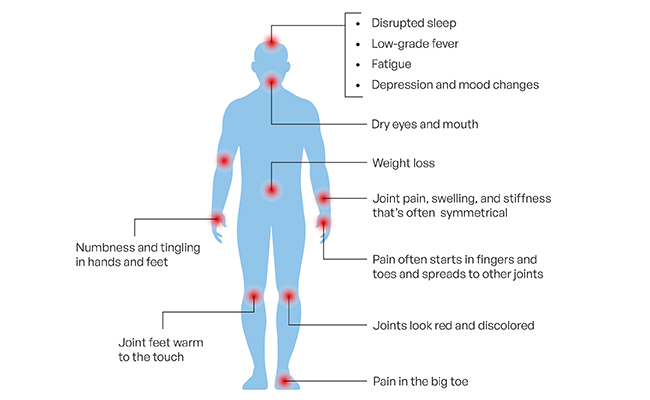
Learn the early and common signs of Rheumatoid Arthritis affecting joints and overall health


Early diagnosis of Rheumatoid Arthritis helps prevent joint damage and improves long-term outcomes.
Effective RA management supports mobility, comfort, and long-term joint health.
Living with Rheumatoid Arthritis requires ongoing management and lifestyle adjustments. Patients benefit from consistent medical care, adherence to treatment plans, and proactive self-management strategies.