
Treatment & Management of Rheumatoid Arthritis

Understanding treatment goals and long-term management of RA

Talk to a Specialist
Overview of RA Treatment Types of Treatments

Overview of RA Treatment

Understanding the role of treatment in Rheumatoid Arthritis management

Rheumatoid Arthritis (RA) is a chronic autoimmune condition that causes inflammation in the joints, leading to pain, stiffness, and reduced mobility. While Rheumatoid Arthritis cannot be fully cured, timely and consistent treatment can control symptoms, prevent joint damage, and improve quality of life. Managing RA involves a combination of medical therapies, lifestyle adjustments, and supportive care to keep inflammation under control and maintain daily functionality.
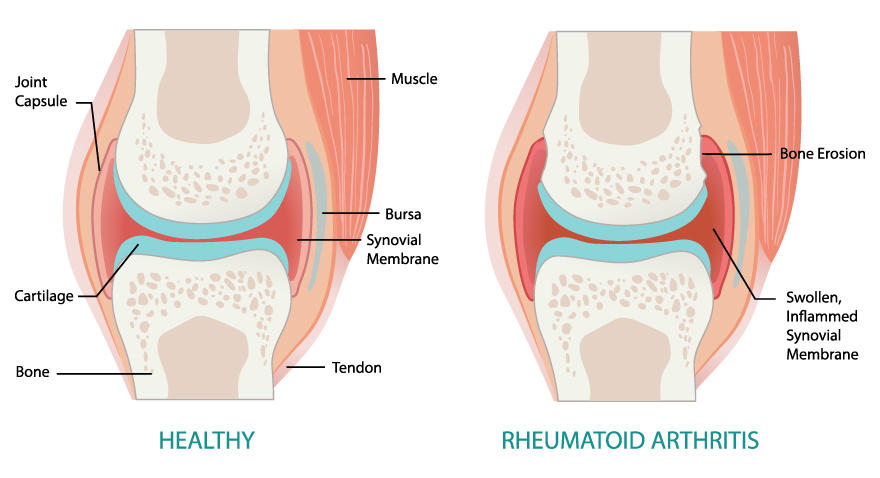
Overview of RA Treatment

Frequently Asked Questions

Can RA be fully controlled?

+
With early and consistent treatment, symptoms can be managed and disease progression slowed.

How long does treatment take to work?

+
Some medications provide relief within weeks, while others may take months to show full effect.

Are lifestyle changes enough without medication?

+
Lifestyle changes support treatment but are rarely sufficient alone for controlling RA.

When is surgery necessary?

+
Surgery is typically considered for severe joint damage unresponsive to medical therapy.

What medications are used to treat RA?

+
RA treatment often includes DMARDs to slow disease progression, biologics to target the immune system, targeted synthetic DMARDs, and pain/anti-inflammatory medications.

What non-medication treatments help with RA?

+
Supportive therapies include physical and occupational therapy, ergonomic tools, heat and cold therapy, and lifestyle adjustments to reduce pain, improve mobility, and maintain independence.

Does treatment improve long-term outcomes?

+
Yes, early diagnosis and consistent treatment can slow disease progression, reduce pain, preserve joint function, and improve daily life.
Dark Blue Arrow
Join Now Insights Patient Stories