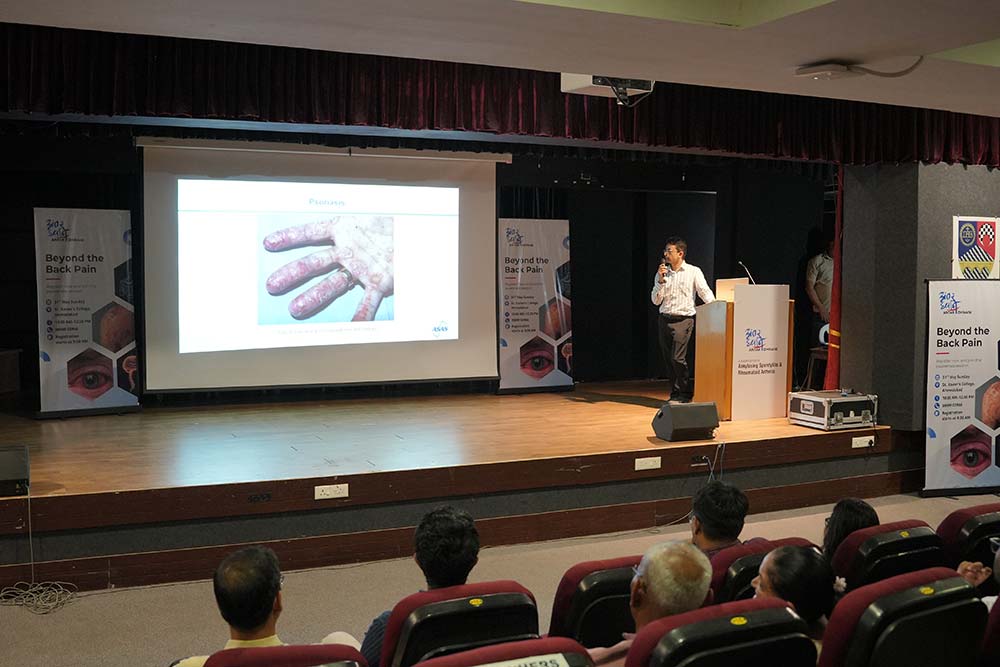
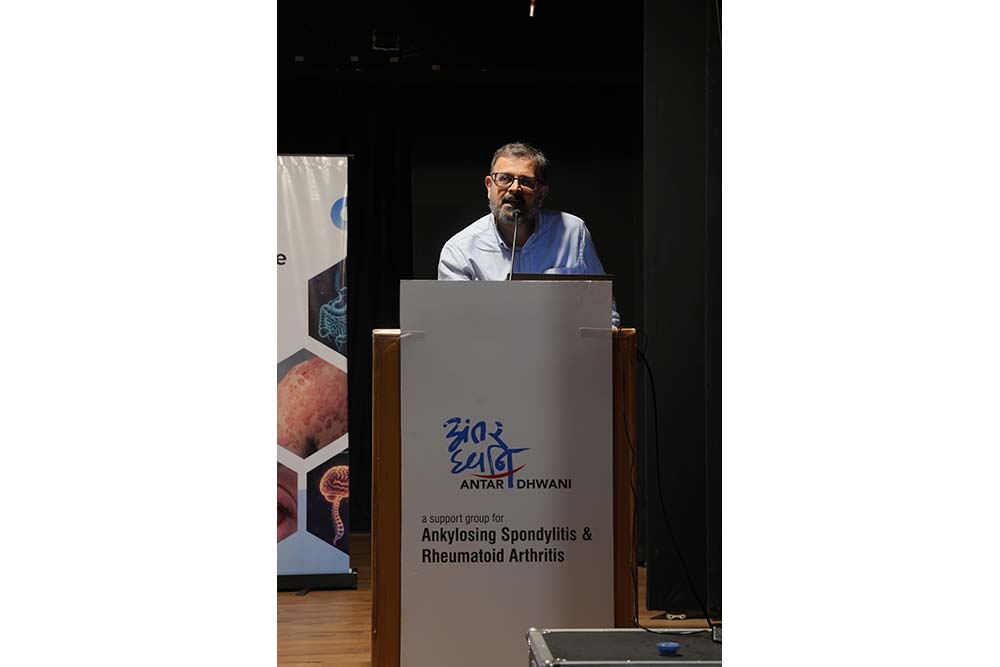
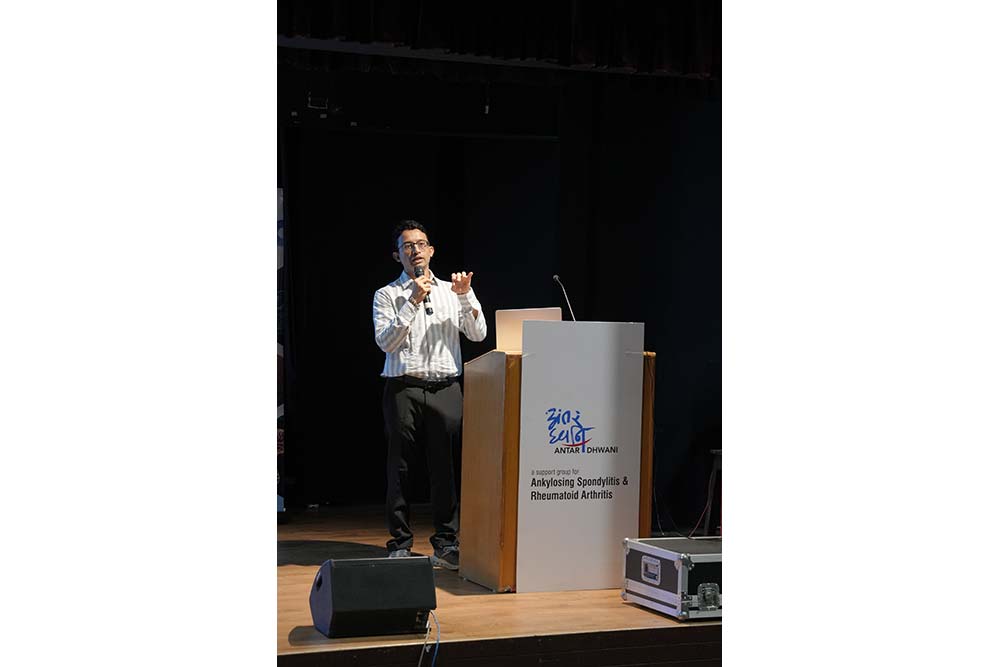
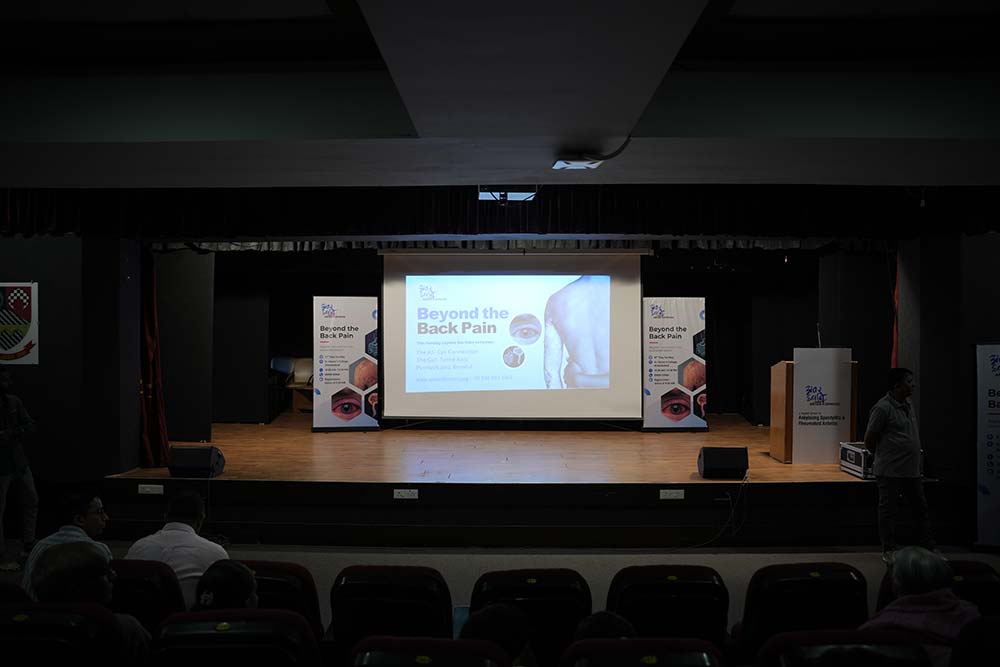
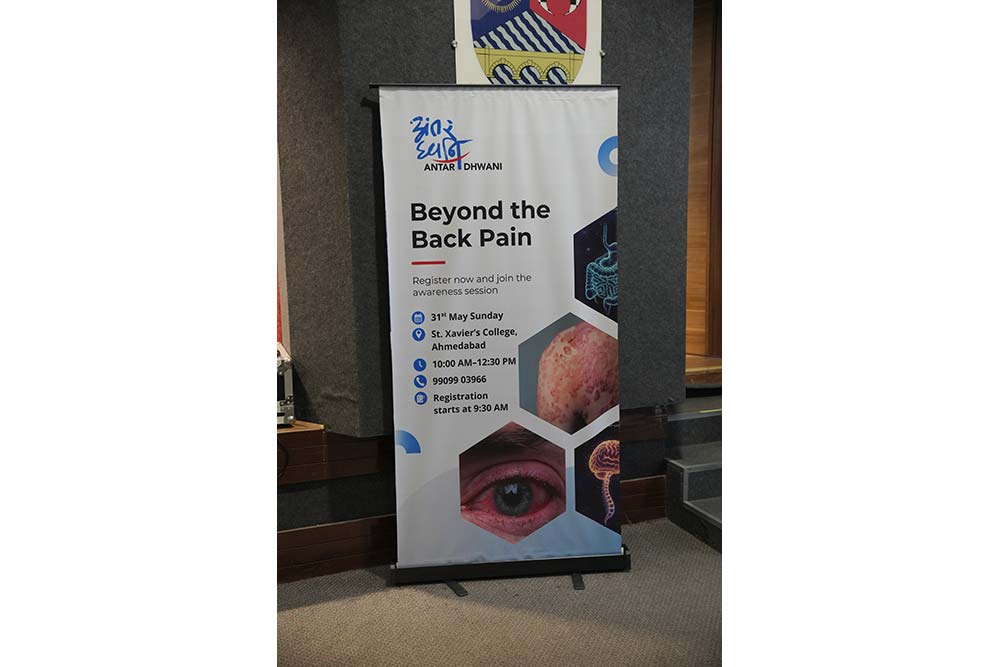
When most people hear the term Ankylosing Spondylitis (AS), they think of back pain. But AS is far more than spinal conditions. It is a systemic autoimmune disease that can affect the eyes, gut, skin, chest wall, and even mental well-being making it one of the most misunderstood and delayed-to-diagnose conditions in India.
Patients often wait 7 to 10 years for a confirmed diagnosis, during which ongoing inflammation may cause irreversible damage. AS commonly affects young adults between 17 and 35 years of age, with symptoms such as persistent morning stiffness, chronic back pain that improves movement, fatigue, and reduced mobility.
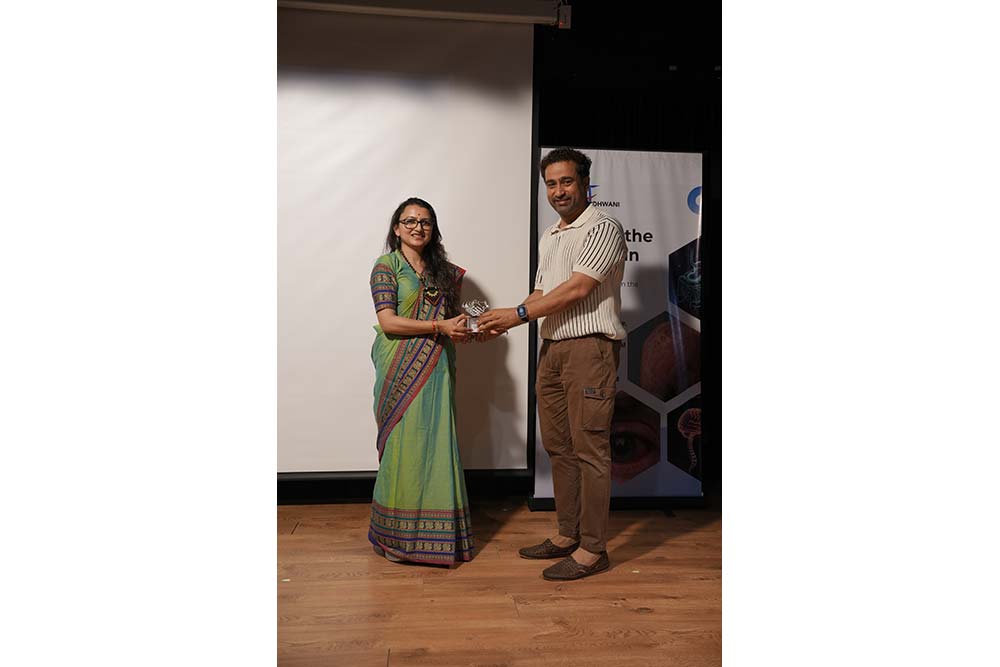
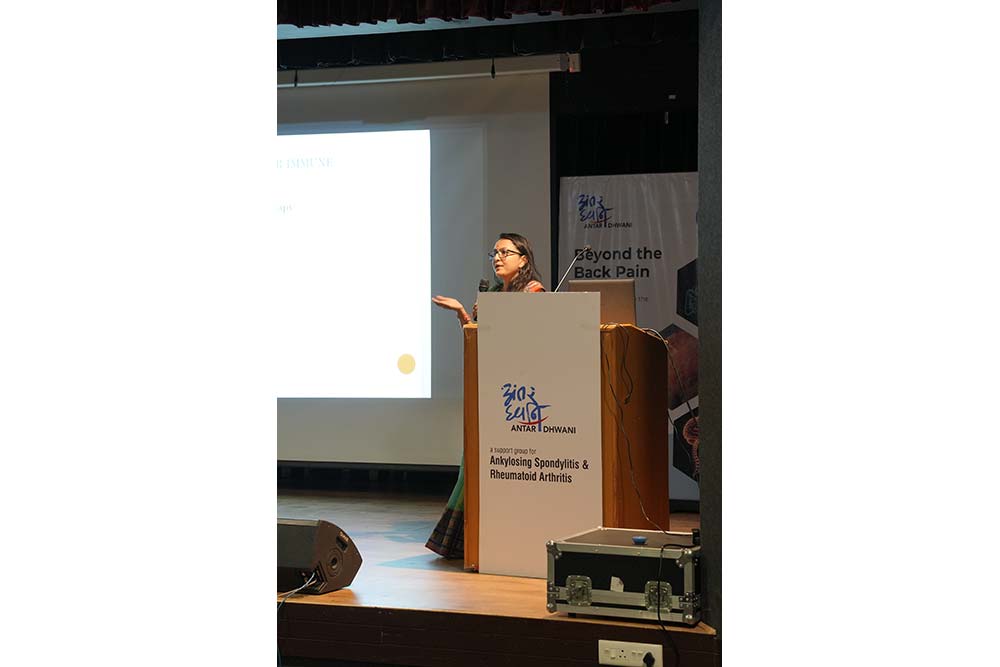
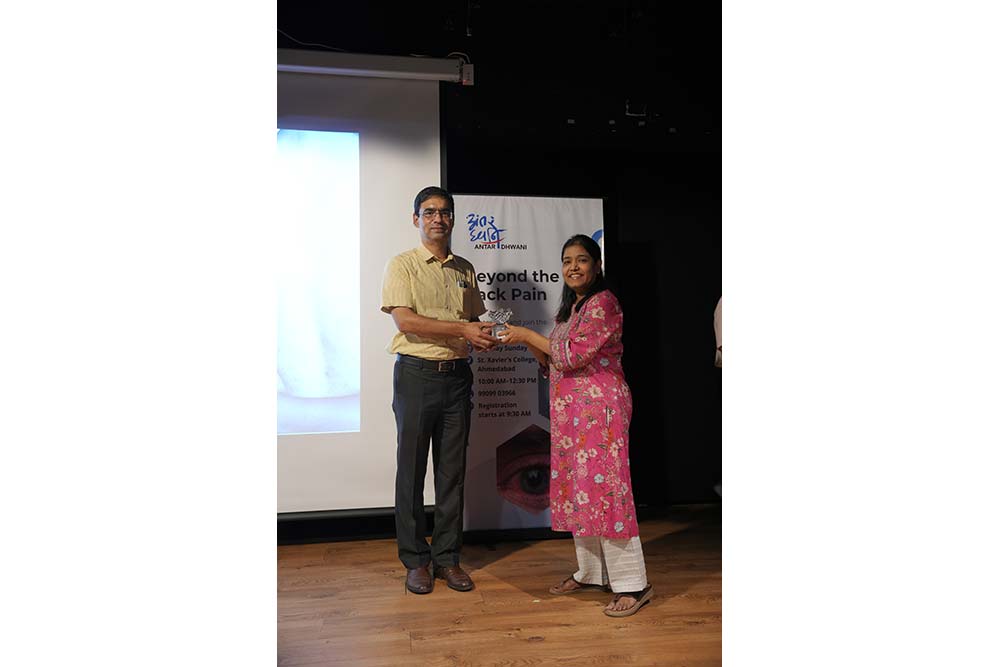
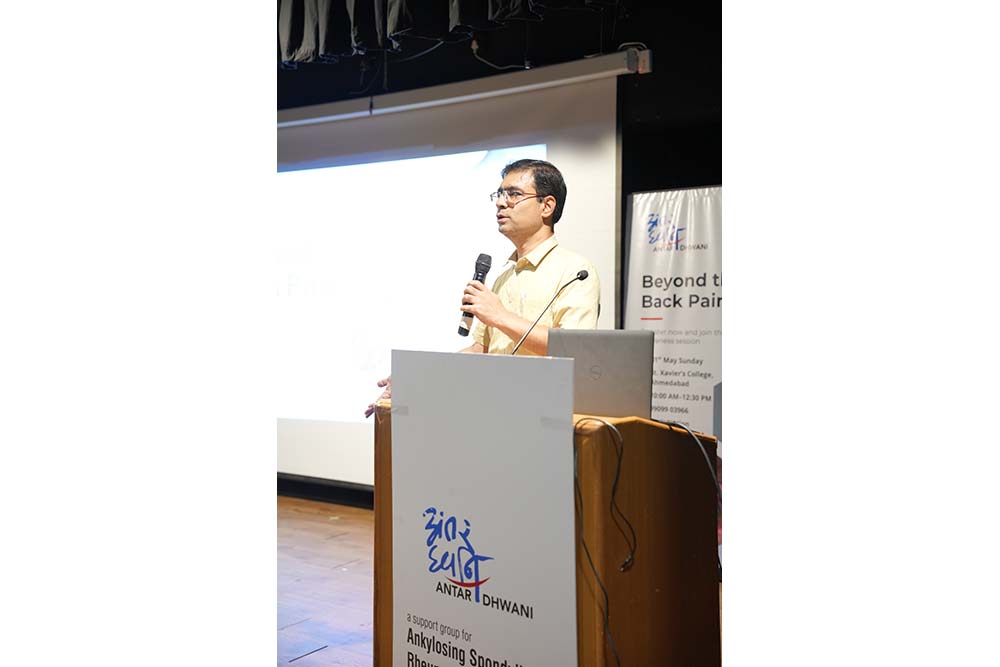
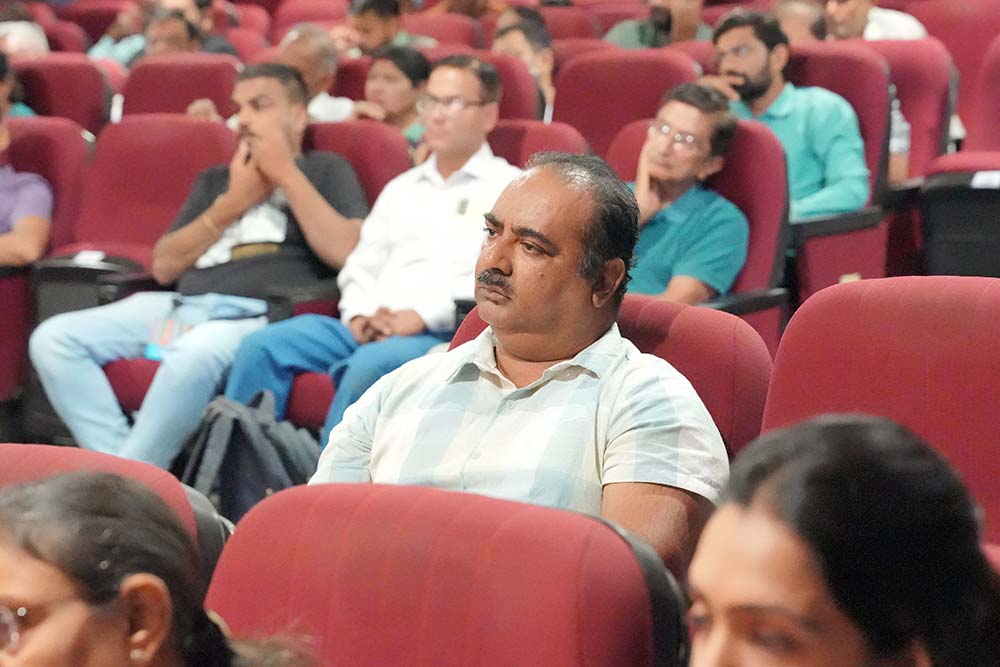
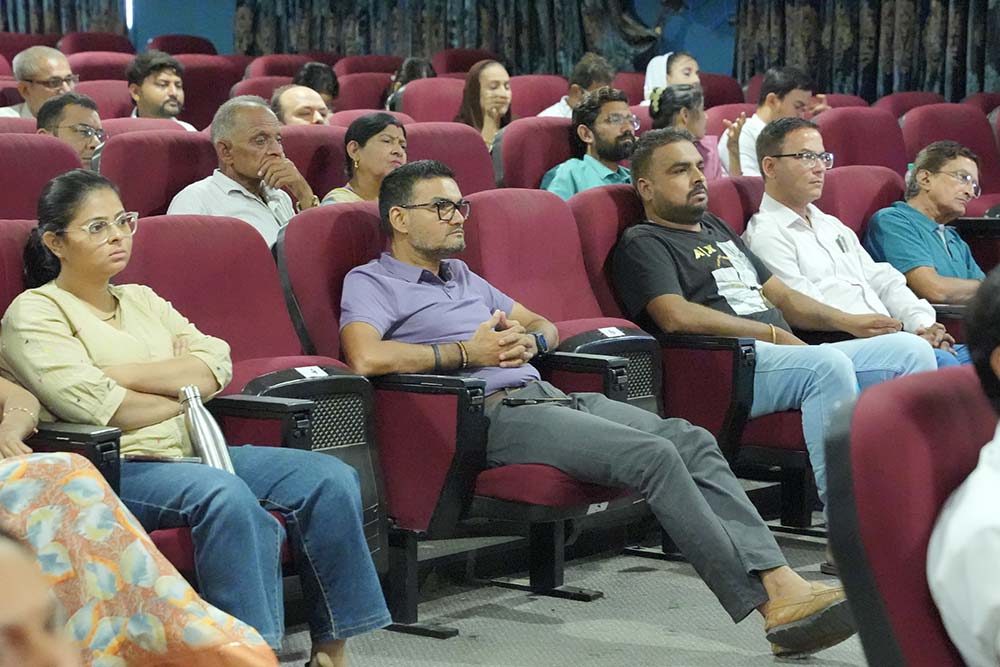
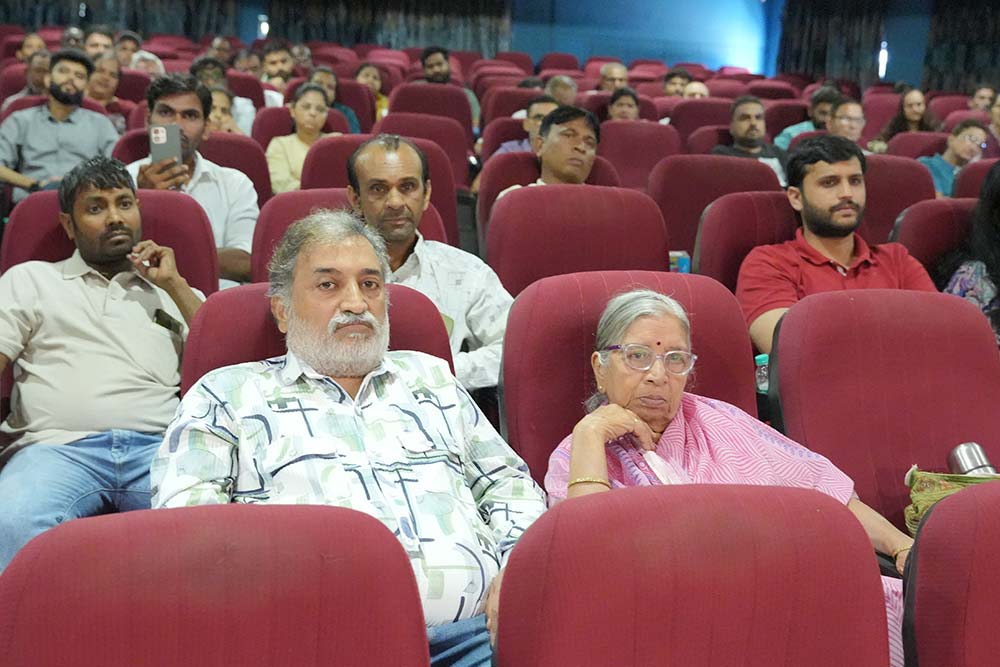
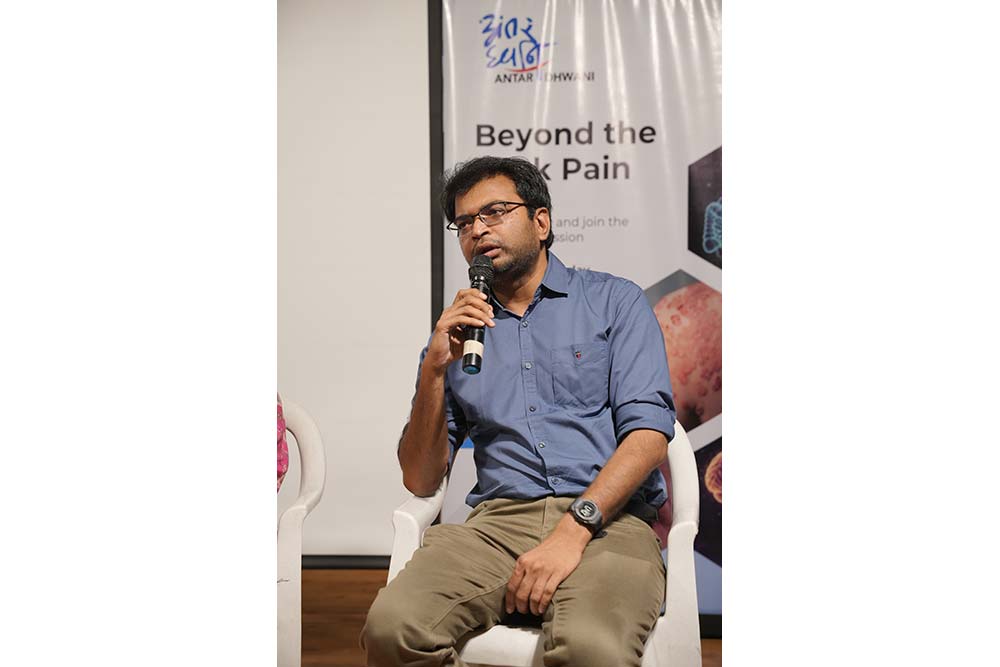
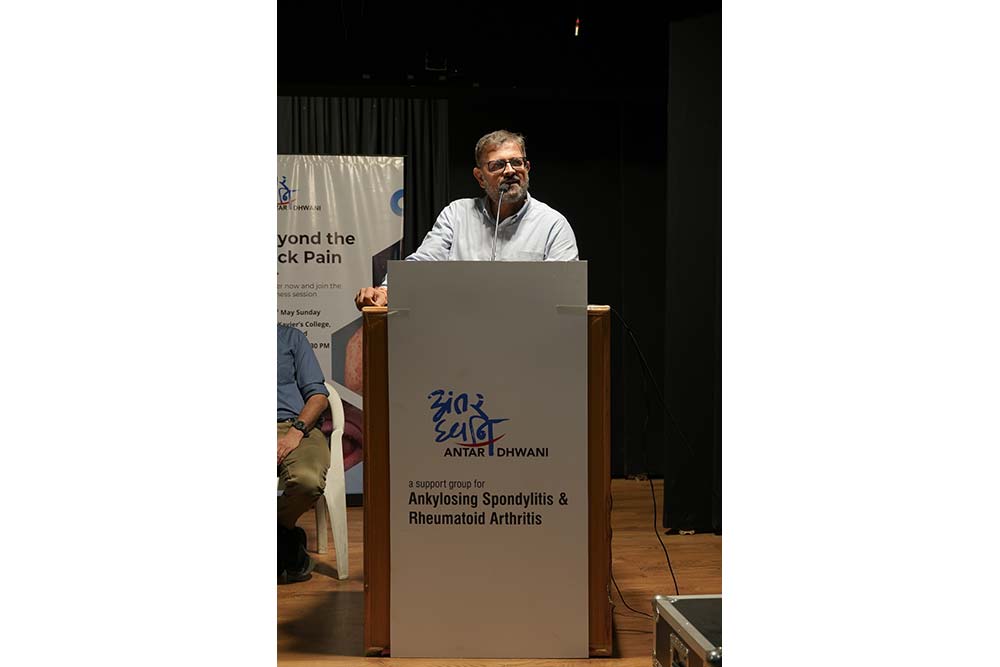
On World Ankylosing Spondylitis Day, Antar Dhwani is bringing together leading specialists and patients in Ahmedabad for an expert-led session focused on understanding the complete spectrum of AS and the importance of multidisciplinary care.
The session will begin with Dr. Bhowmik Meghnathi, who will discuss the need for a cohesive treatment approach involving multiple specialists for better long-term AS management.
The ophthalmology discussion will focus on AS-related eye inflammation (uveitis/iritis), which affects nearly 40% of patients due to the HLA-B27 link. Experts will explain early warning signs such as sudden eye pain, redness, and light sensitivity, and how prompt treatment helps prevent serious complications like glaucoma and cataracts.
The gastroenterology segment will explore the strong connection between AS and inflammatory bowel diseases such as Crohn’s disease and ulcerative colitis. Discussions will also cover gut health, NSAID-related stomach irritation, and anti-inflammatory dietary approaches that may help manage flare-ups.
The dermatology session will highlight the relationship between AS and psoriatic conditions, helping patients identify important skin and nail changes, while also understanding the difference between autoimmune skin flares and medication-related rashes.
Whether you are newly diagnosed, living with AS for years, supporting a loved one, or trying to understand unexplained chronic back pain, this event aims to provide clarity, expert guidance, and a supportive community experience.
Why This Theme Matters
Debunking Myths: Many people dismiss the early morning stiffness and persistent aches as routine back pain.
Invisible Symptoms: The campaign emphasizes tracking less visible struggles like extreme fatigue, reduced mobility, and associated conditions such as uveitis (eye inflammation) or inflammatory bowel disease (IBD).
Early Diagnosis: The ultimate goal of the campaign is to raise awareness so patients can get diagnosed earlier and access effective specialty treatments before irreversible damage occurs
Event Agenda:
Registration
Welcome
Opening Address
The AS-Eye Connection: Understanding and Preventing Acute Uveitis
The Gut-Spine Axis: Navigating Subclinical Gut Inflammation and IBD in AS Psoriasis and
Beyond: Managing Overlapping Skin Conditions in AS Patients
Break
Q & A Keynote
Lunch
Who can attend:
Patients living with Ankylosing Spondylitis
Recently diagnosed patients
Young adults with unexplained back pain
HLA-B27 positive individuals
Patients with recurring uveitis or gut issues
Those with related spondyloarthropathies
Caregivers and family members
General physicians and physiotherapists
Image Gallery
×
Q & A
Can physiotherapy and posture training completely stop spinal fusion?
+
No. Regular exercise and physiotherapy help maintain flexibility, posture, and mobility, but they cannot completely prevent fusion. The best outcomes usually come from combining exercise with appropriate medical treatment.
What is the Future outlook for ankylosing spondylitis?
+
The outlook is much better today with biologics and targeted therapies. Ongoing research focuses on earlier diagnosis, personalized treatment, and therapies that may better prevent long-term spinal damage.
Is long-term NSAID use risky for ankylosing spondylitis patients?
+
NSAIDs can be very effective, but prolonged use may increase the risk of stomach ulcers, bleeding, kidney problems, and high blood pressure. Regular monitoring is important.
Can physiotherapy and posture training completely stop spinal fusion in ankylosing spondylitis?
+
No. Regular exercise and physiotherapy help maintain flexibility, posture, and mobility, but cannot completely prevent fusion. Best outcomes come from combining exercise with appropriate medical treatment.
Why does pain shift from one buttock to the other in ankylosing spondylitis?
+
Shifting buttock pain is a classic early indicator of ankylosing spondylitis. The sacroiliac joints connect the spine to the pelvis on both sides, and inflammation in AS does not always affect both joints equally and simultaneously causing pain to alternate from one side to the other.
Can repeated eye inflammation from uveitis permanently damage vision in ankylosing spondylitis?
+
Yes. Recurrent or untreated uveitis can lead to complications such as glaucoma, cataracts, and permanent vision loss. Early treatment significantly reduces these risks.
How can I tell the difference between eye allergy or dryness and AS-related uveitis?
+
Dry eyes or allergies usually cause itching, mild redness, and bilateral irritation. Uveitis typically causes sudden redness in one eye, eye pain, light sensitivity, blurred vision, and excessive tearing.
Do biologics help prevent uveitis eye flares in ankylosing spondylitis?
+
Some biologics used for AS can reduce the frequency of uveitis attacks. However, acute eye flares often require separate treatment, such as prescribed eye drops. Discuss individual risks with your doctors.
How often should ankylosing spondylitis patients get an eye check-up?
+
Even without symptoms, AS patients should consider a comprehensive eye examination every 1–2 years, or more frequently if advised by their doctor.
Is it safe to use over-the-counter steroid eye drops when the eye turns red in AS?
+
No. Steroid eye drops can worsen certain eye conditions and may increase the risk of glaucoma or cataracts if used incorrectly. Always consult an eye specialist before using them.
Why do many ankylosing spondylitis patients have gut inflammation? What is the gut-spine axis?
+
Researchers believe the gut and immune system are closely connected. In some AS patients, inflammation may start in the gut and then influence inflammation in the spine and joints; this is the Gut-Spine Axis.
Can biologics help both spine and bowel inflammation in ankylosing spondylitis?
+
Some biologic medications can effectively treat both AS and inflammatory bowel disease. Your rheumatologist and gastroenterologist can help choose the most appropriate therapy.
How do I protect my stomach while taking daily NSAIDs for ankylosing spondylitis?
+
Take NSAIDs exactly as prescribed, avoid unnecessary doses, and discuss stomach-protecting medications such as PPIs with your doctor. Report any stomach pain, black stools, or bleeding immediately.
Can gut inflammation cause fatigue in ankylosing spondylitis patients?
+
Yes. Chronic gut inflammation can affect nutrient absorption, leading to deficiencies in iron, vitamin B12, or vitamin D that may contribute to fatigue in AS patients.
How do I know if my bowel symptoms in AS are medication side effects or IBD?
+
Occasional bloating may be medication-related, but persistent diarrhea, abdominal pain, blood in stools, unexplained weight loss, or night-time bowel symptoms should be evaluated for Crohn’s disease or Ulcerative Colitis.
What is the connection between ankylosing spondylitis and psoriasis?
+
Both are immune-mediated inflammatory conditions and can occur together. Having psoriasis increases the risk of developing spondyloarthritis, and some AS patients may develop psoriasis during their lifetime.
Can biologics cause new skin problems in ankylosing spondylitis patients?
+
Yes. Although biologics often improve skin inflammation, some patients develop paradoxical reactions such as new psoriasis-like rashes or skin irritation. Any new rash should be evaluated by a dermatologist.
Can psoriasis affect scalp and nails first before other skin symptoms appear in AS?
+
Yes. Scalp scaling, nail pitting, nail thickening, or nail separation can appear before skin lesions elsewhere. AS patients should report these early changes to their doctor promptly.
Is hidradenitis suppurativa linked to ankylosing spondylitis?
+
Yes. Hidradenitis Suppurativa is more common in people with inflammatory conditions such as spondyloarthritis and shares some immune pathways with AS.
Does worsening skin disease mean spine inflammation is also worsening in AS?
+
Not always. Skin and joint symptoms can flare independently, although both may reflect underlying immune system activity in spondyloarthritis patients.