
World Arthritis Day

  • Date: 24th October 2021
  • Venue: Lecture Hall 1, GMERS College, Sola Civil Hospital Campus, Sola, Ahmedabad, Gujarat, INDIA.
  • Event Ended
World Arthritis Day

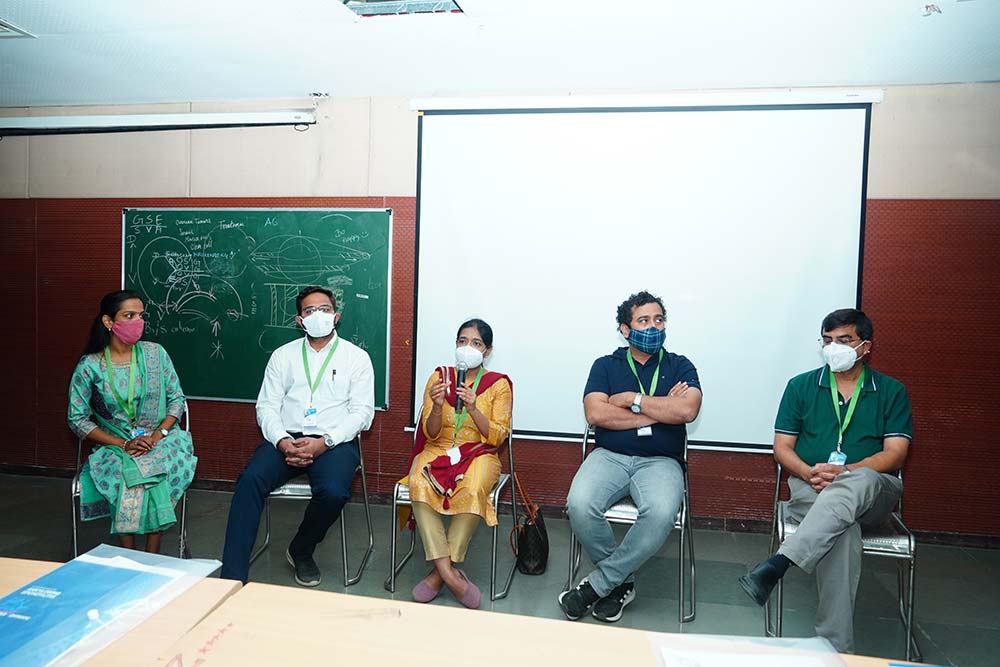
Featured Penelists

Dr. Sapan Pandya

Dr. Sapan Pandya

Rheumatologist

Dr. Anuj Shukla

Dr. Anuj Shukla

Rheumatologist

Dr. Puja Srivastava

Dr. Puja Srivastava

Rheumatologist

Dr. Dhiren Raval

Dr. Dhiren Raval

Rheumatologist

Dr. Rutviz Mistry

Dr. Rutviz Mistry

Rheumatologist

Dr. Heli Salvi

Dr. Heli Salvi

Physiotherapist

Event Overview

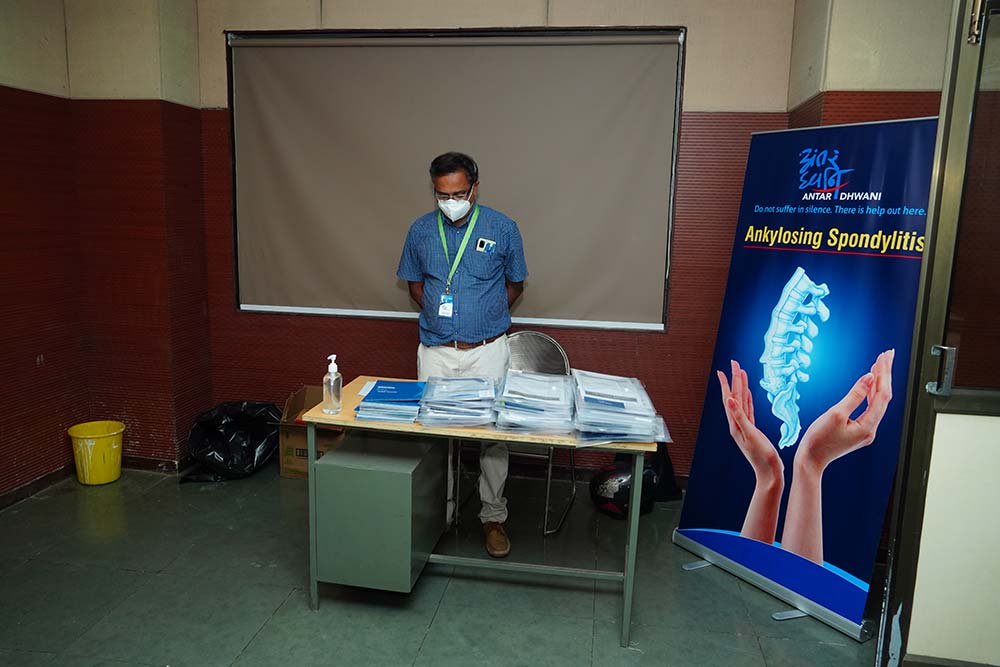
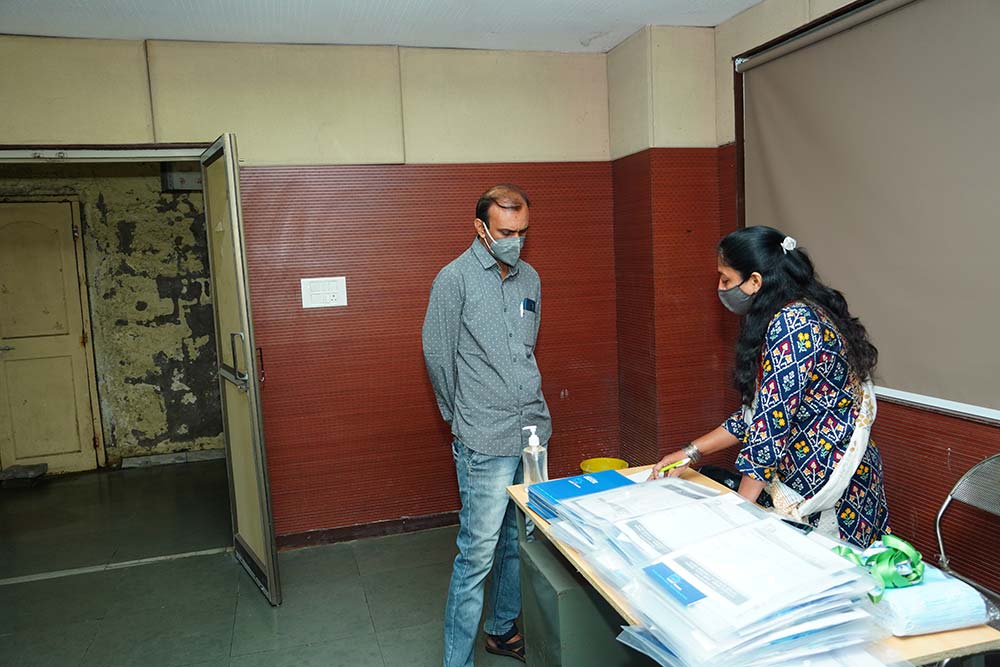
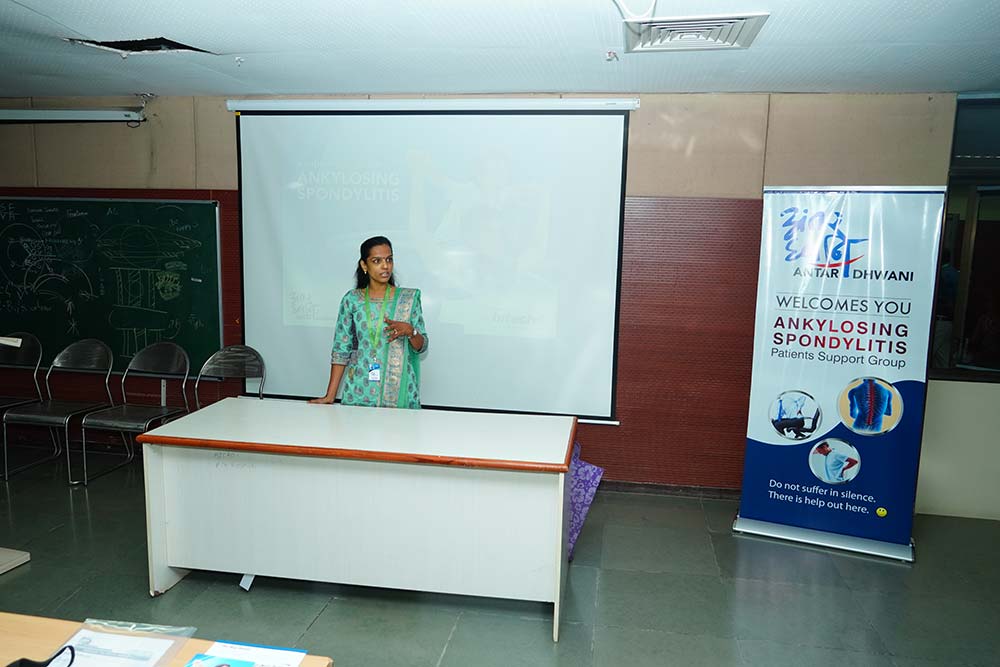
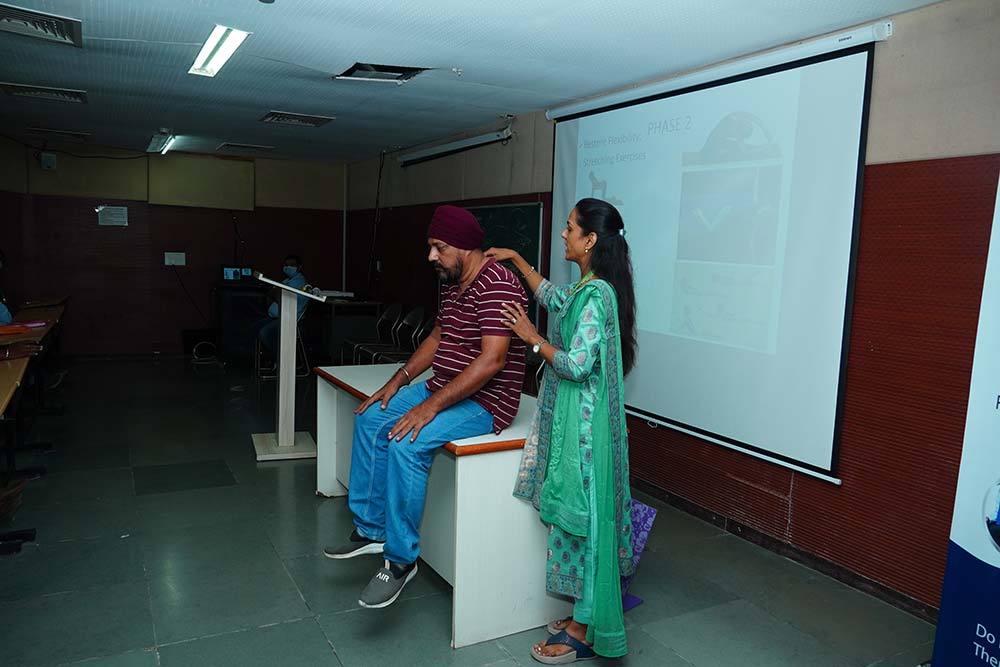
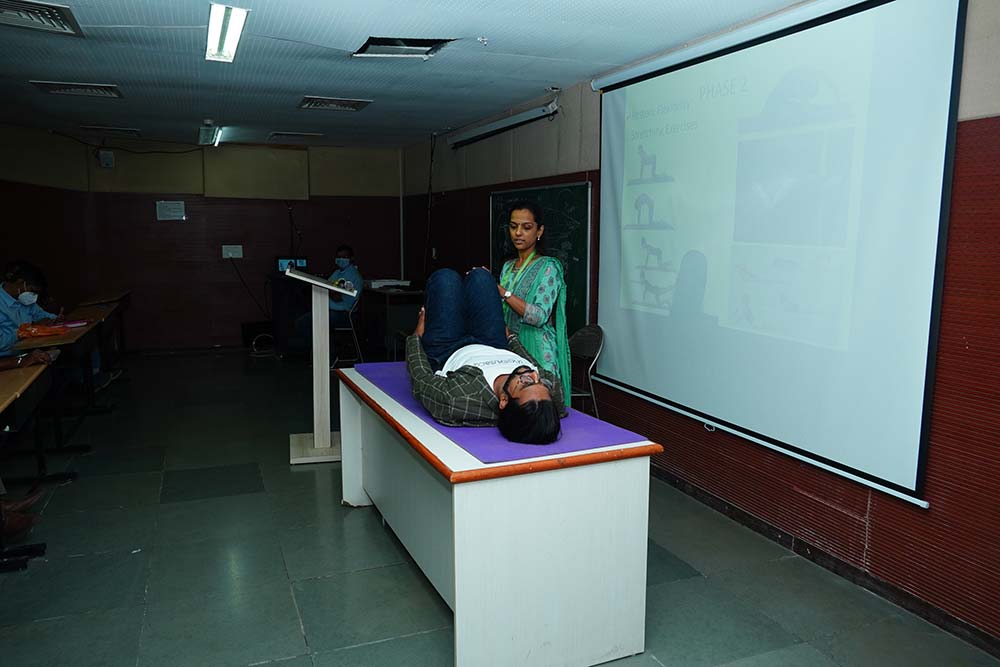
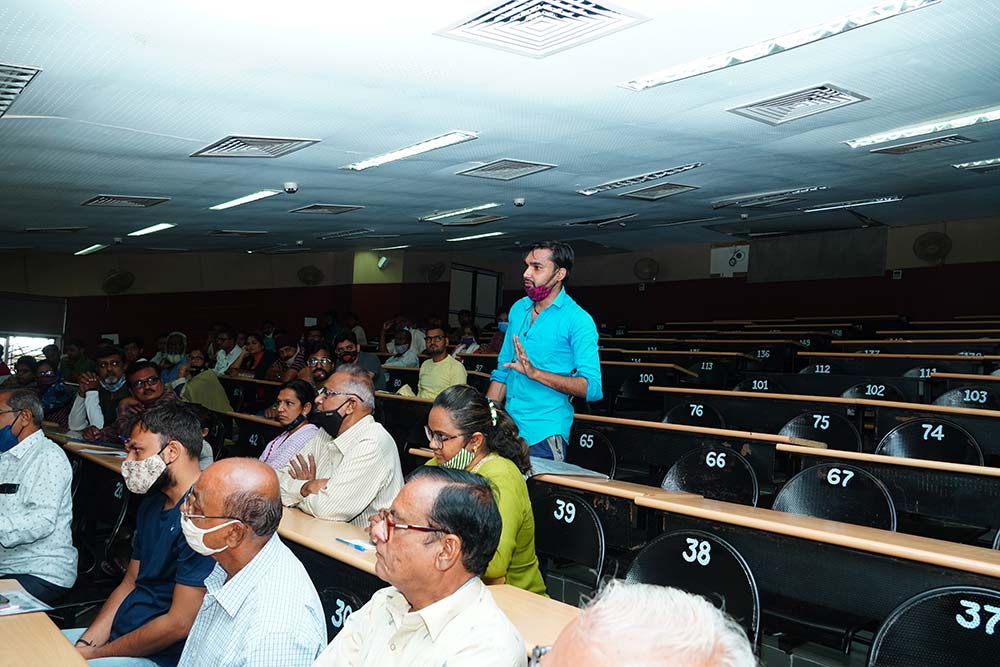
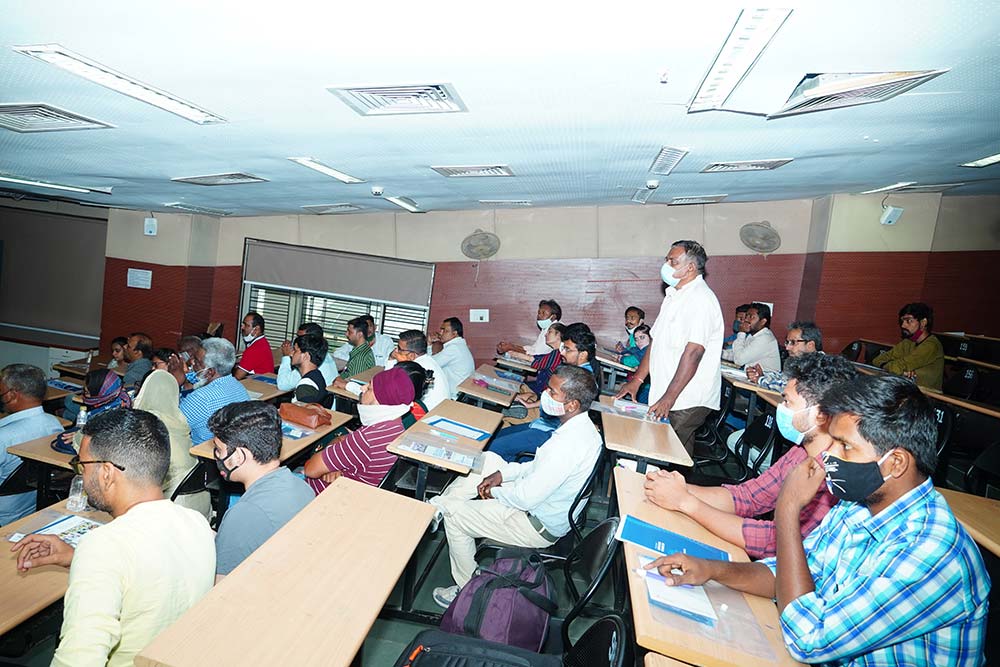
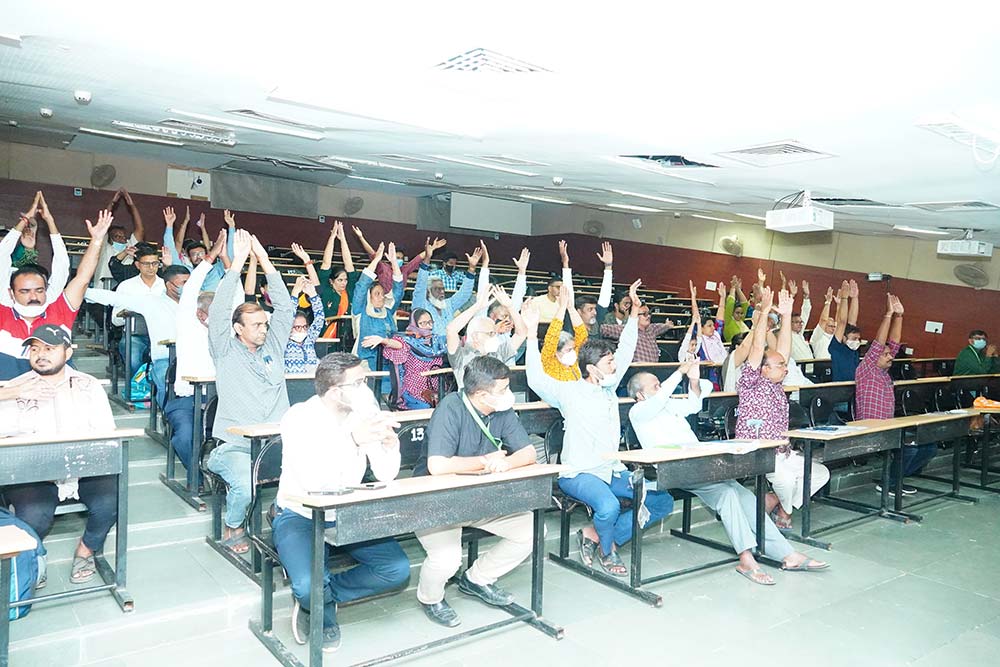
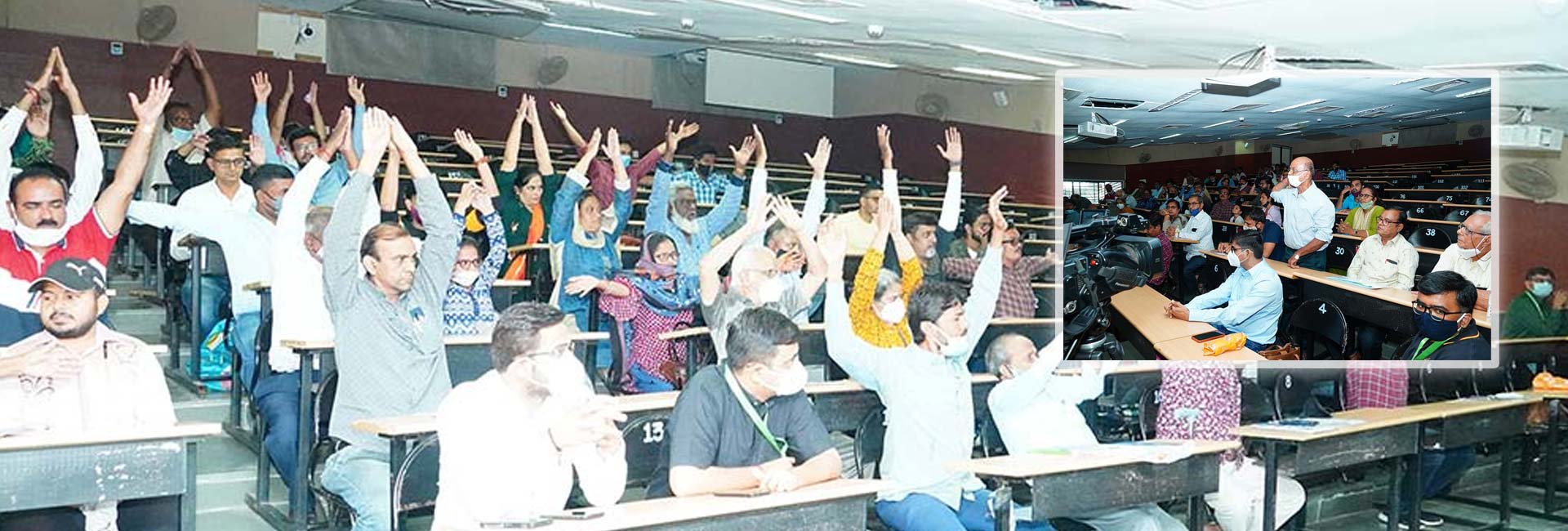
The World Arthritis Day event was organised to raise awareness about arthritis and related musculoskeletal conditions, focusing on early recognition, timely intervention, and long-term disease care. The program brought together experienced rheumatologists and a physiotherapist to address common concerns, share clinical insights, and guide attendees on managing arthritis effectively in daily life.
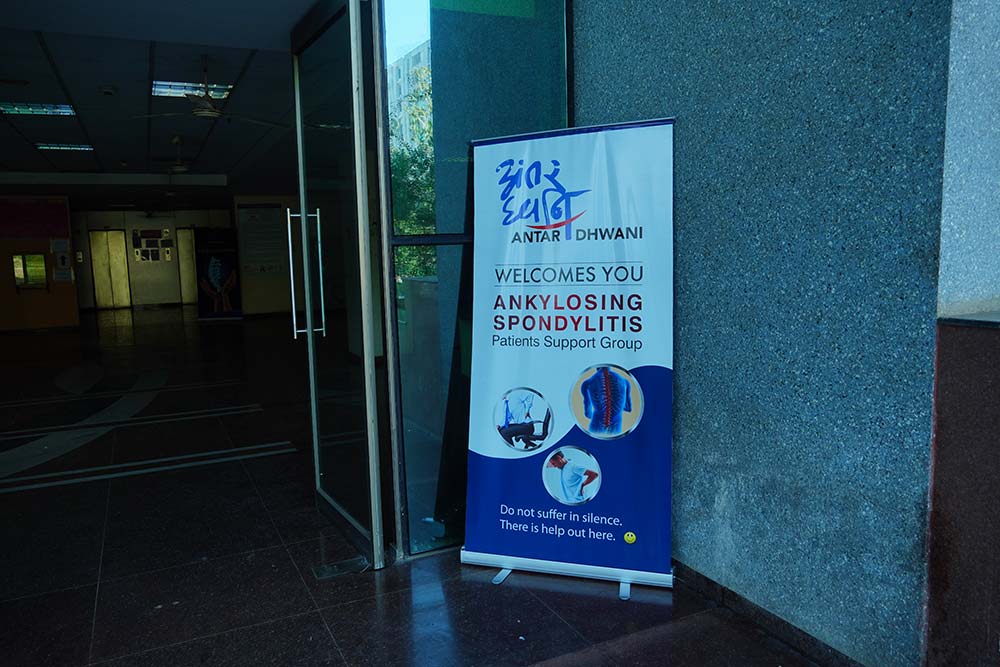

Key Takeaways

  • Increased awareness of different types of arthritis
  • Importance of early diagnosis and medical consultation
  • Understanding treatment pathways and ongoing care
  • Practical advice for pain management and joint protection
  • Role of physiotherapy in maintaining mobility and function

Agenda

  • Significance of World Arthritis Day
  • Overview of Arthritis and Related Conditions
  • Recognising Early Symptoms and Red Flags
  • Treatment Approaches and Patient Care
  • Physiotherapy and Lifestyle Guidance
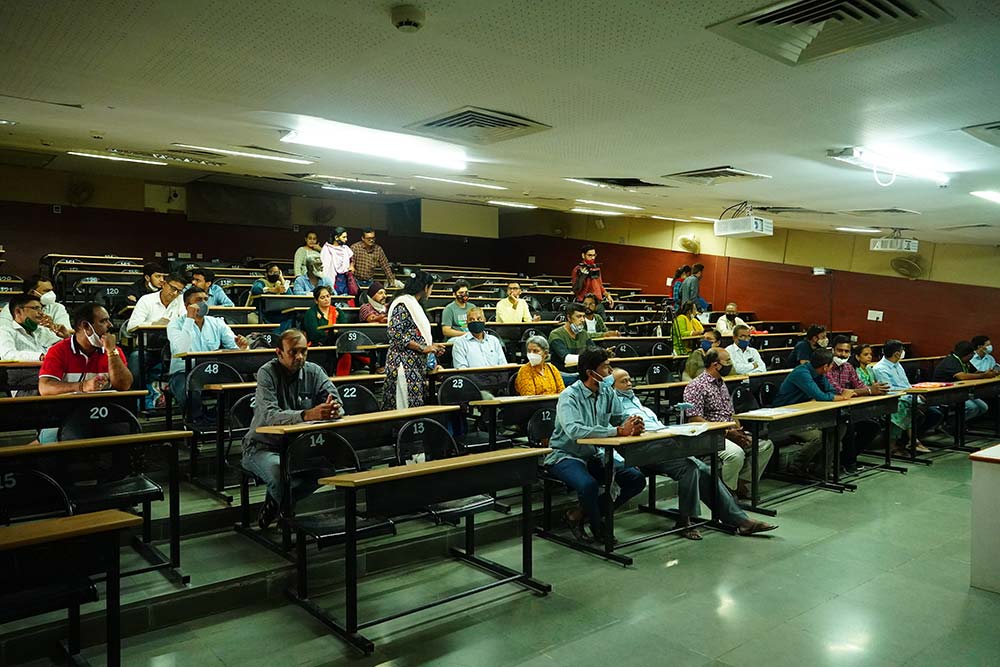
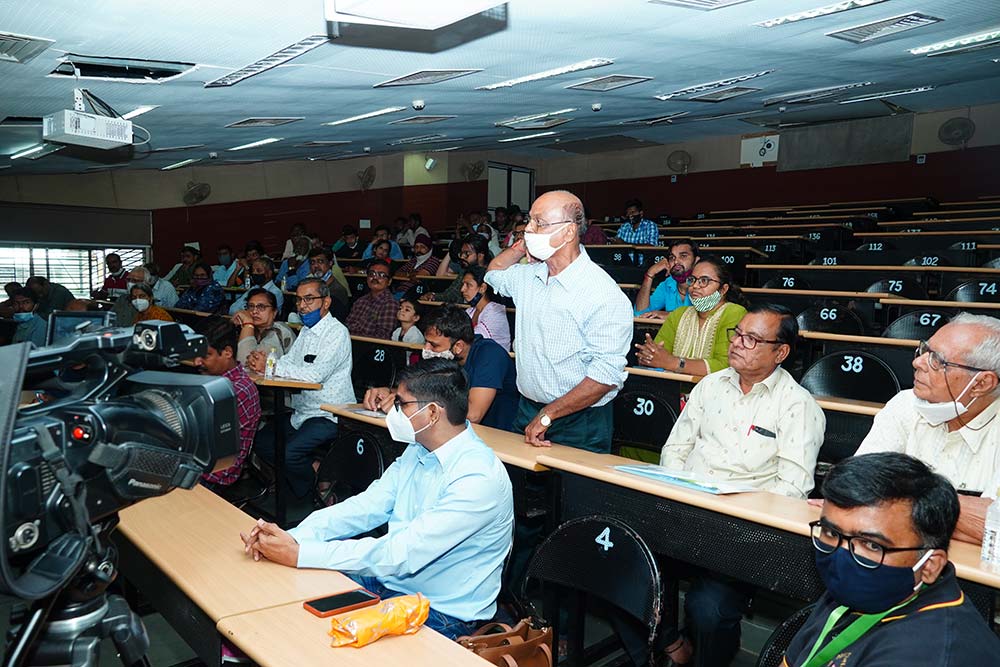
  • Open Discussion and Audience Interaction
  • Closing Remarks

Image Gallery

Q & A

Is Rheumatoid Arthritis genetic or hereditary?
+
Rheumatoid Arthritis (RA) has a genetic component, but it is not strictly hereditary. Certain genes, especially those related to HLA-DR, can increase a person’s susceptibility to developing RA. Having a close family member with RA slightly raises your risk compared to the general population, but most people with these genes never develop the disease. Environmental factors like smoking, infections, and hormonal influences also play a critical role in triggering RA. In short, RA is influenced by both genetics and environment, but it is not directly inherited in a predictable pattern.
Who is at risk of developing Rheumatoid Arthritis?
+
Several factors increase the risk of developing Rheumatoid Arthritis (RA). It is more common in women than men, typically appearing between the ages of 30 and 60, though it can affect younger adults and even children. Genetic predisposition, especially the presence of certain HLA-DR genes, raises susceptibility. Environmental factors such as smoking, obesity, and exposure to certain infections may also trigger RA. Additionally, a family history of RA slightly increases risk. Overall, RA develops from a combination of genetic, hormonal, and environmental factors rather than a single cause.
What is a Rheumatoid Arthritis flare-up?
+
A Rheumatoid Arthritis (RA) flare-up is a period when the symptoms of RA suddenly worsen, often after a period of relative calm or remission. During a flare, affected joints may become more painful, swollen, stiff, and tender, and fatigue or overall weakness can increase. Flares can vary in duration and severity, lasting from a few days to several weeks, and may be triggered by factors such as stress, infection, changes in medication, or hormonal fluctuations. Managing flare-ups promptly with medication adjustments, rest, and supportive therapies is important to control inflammation, prevent joint damage, and maintain quality of life.
Can Rheumatoid Arthritis cause fever or unexplained weight loss?
+
Yes. Rheumatoid Arthritis is not just a joint disease, it is a systemic autoimmune condition. This means it can affect the entire body, not only the joints.
Are JAK inhibitors used in Rheumatoid Arthritis treatment?
+
Yes. JAK inhibitors are an important and effective treatment option for Rheumatoid Arthritis, particularly in moderate to severe cases.
Dark Blue Arrow
Join Now Insights Patient Stories