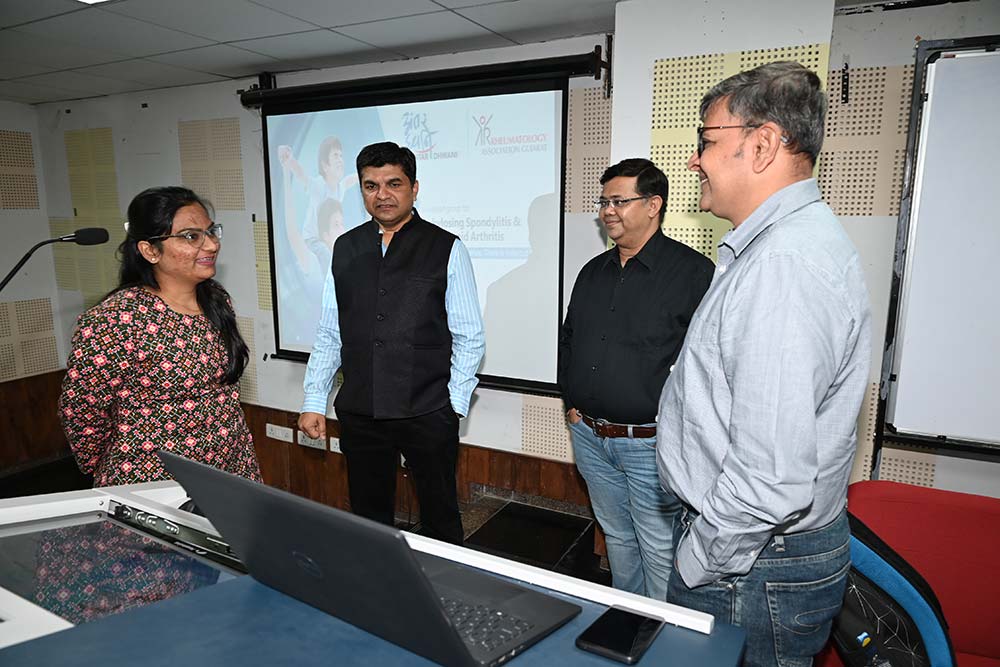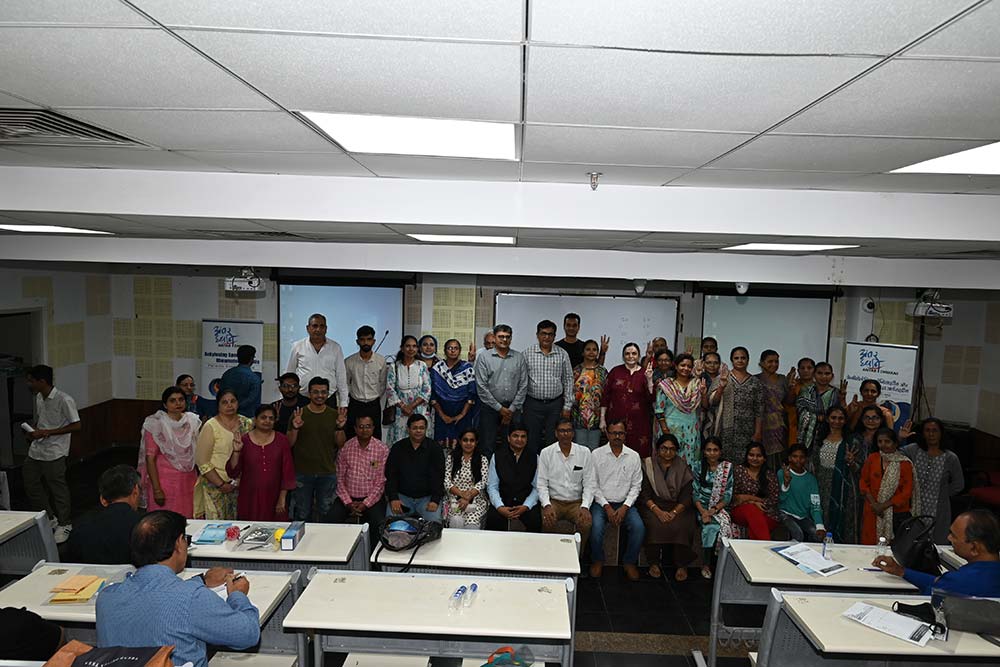

Understanding Ankylosing Spondylitis and Rheumatoid Arthritis

  • Date: 4th February 2024
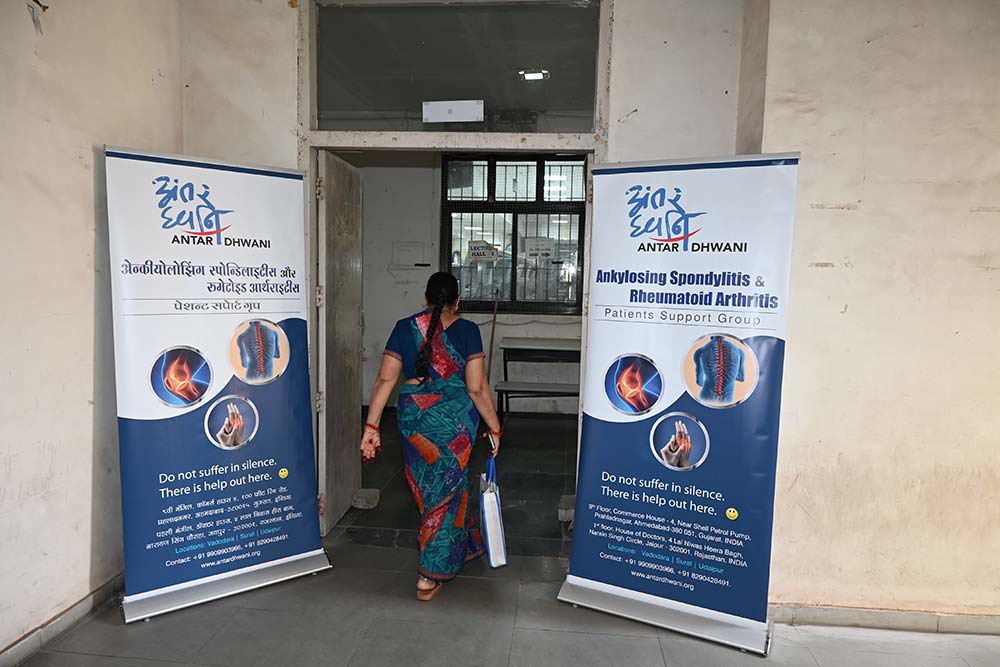
  • Venue: Lecture Hall, 1st Floor G.M.E.R.S Medical College, Old T.B. Hospital Campus, Gotri Road, Vadodara 390021
  • Event Ended
Understanding Ankylosing Spondylitis and Rheumatoid Arthritis

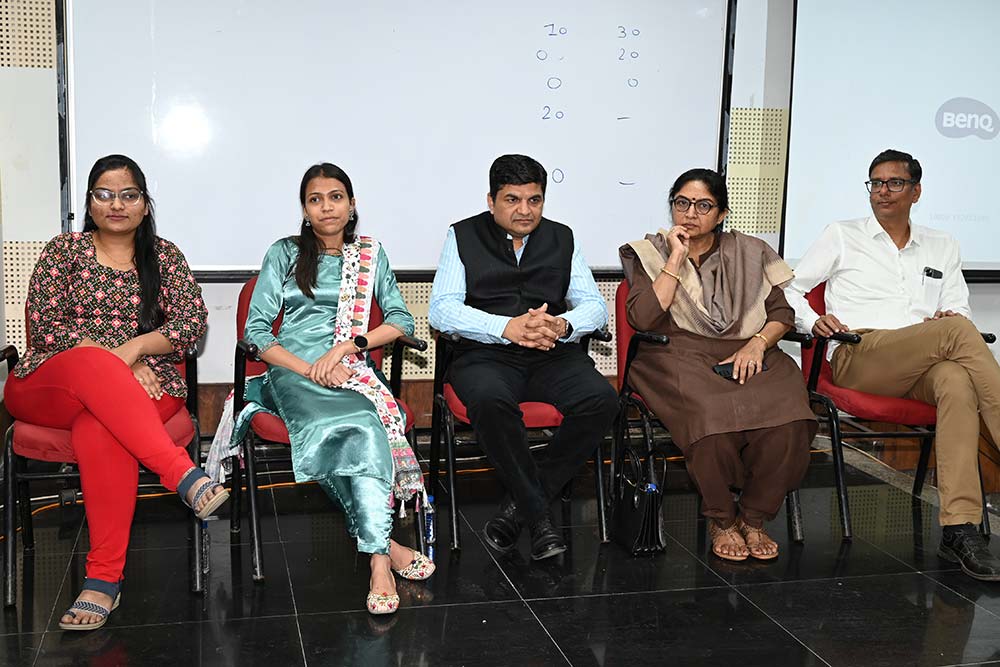
Featured Penelists

Dr. Namisha Patel

Dr. Namisha Patel

Rheumatologist

Dr. Himanshu Pathak

Dr. Himanshu Pathak

Rheumatologist

Dr. Ripal Shah

Dr. Ripal Shah

Rheumatologist

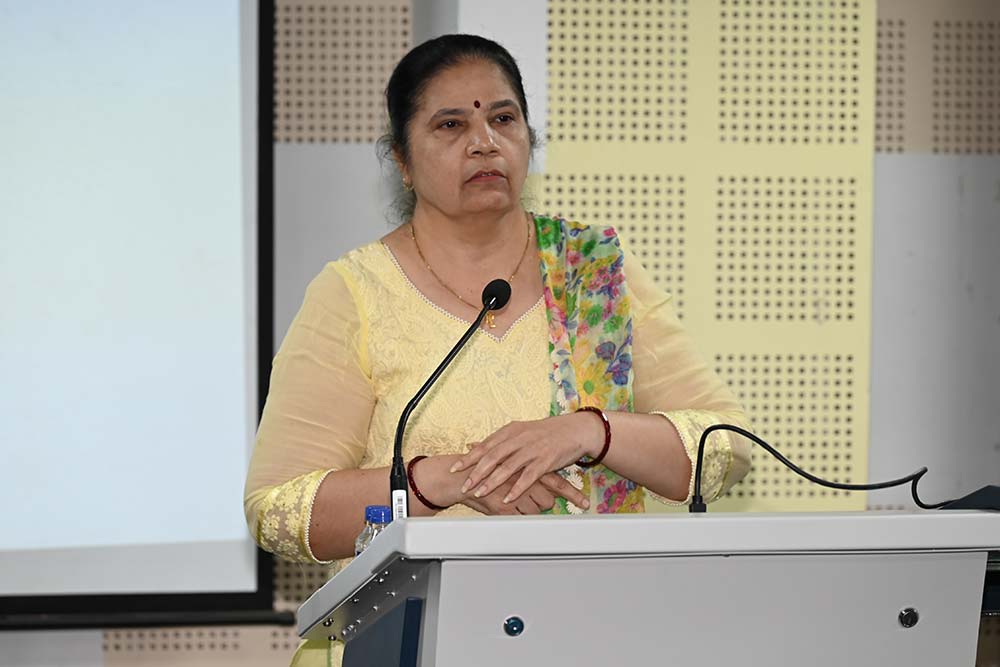
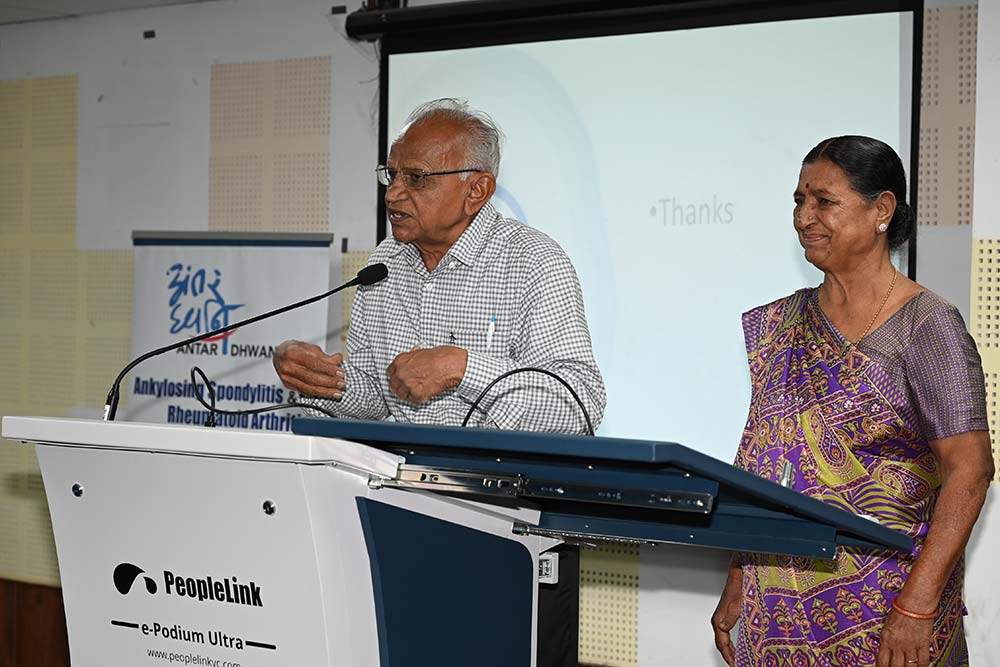
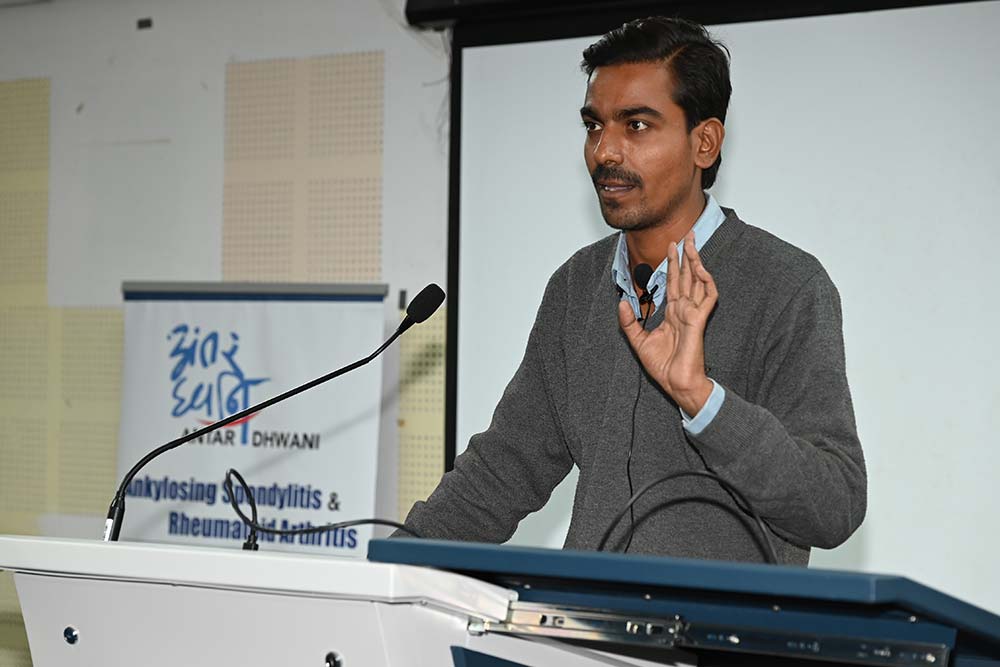
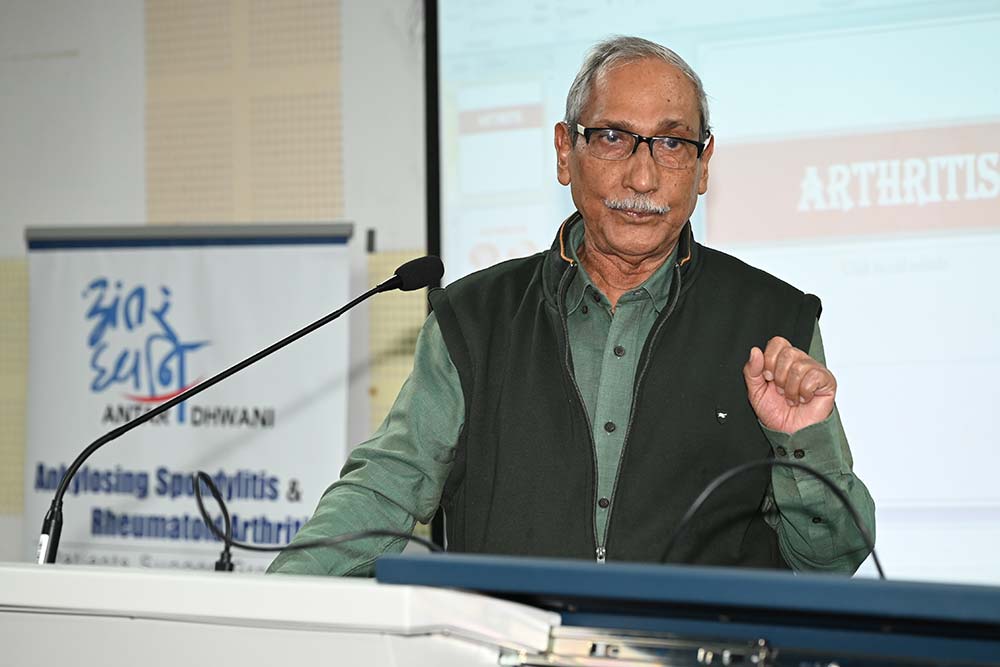
Event Overview

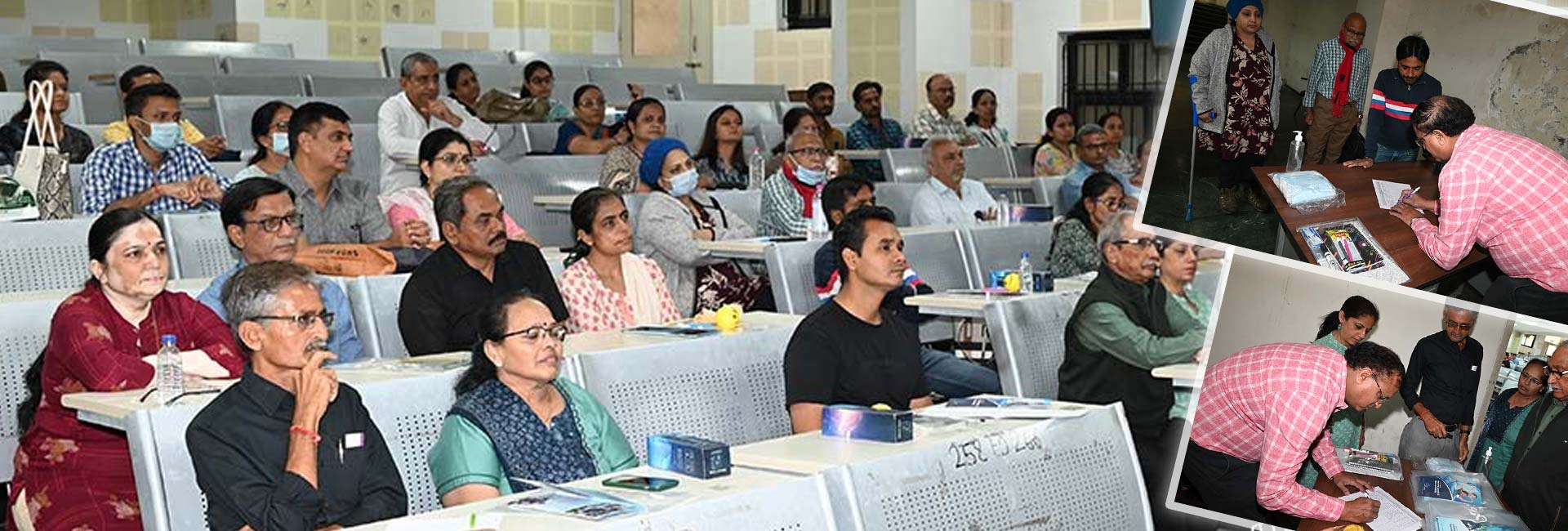
Understanding Ankylosing Spondylitis and Rheumatoid Arthritis is an educational session designed to help patients and caregivers gain a clear understanding of these chronic inflammatory conditions. The event focuses on explaining the causes, symptoms, disease progression, and key differences between AS and RA in a simple and approachable way. Through expert-led discussions and interactive engagement, participants learn about early signs, diagnosis, treatment approaches, and lifestyle considerations, empowering them to make informed decisions and actively participate in their care journey.
Event Agenda

  • Welcome & Introduction
  • Overview about RA & AS
  • Diagnosis and Early Detection
  • Treatment and Long-Term Management
  • Living Well with AS & RA
  • Interactive Q&A Session

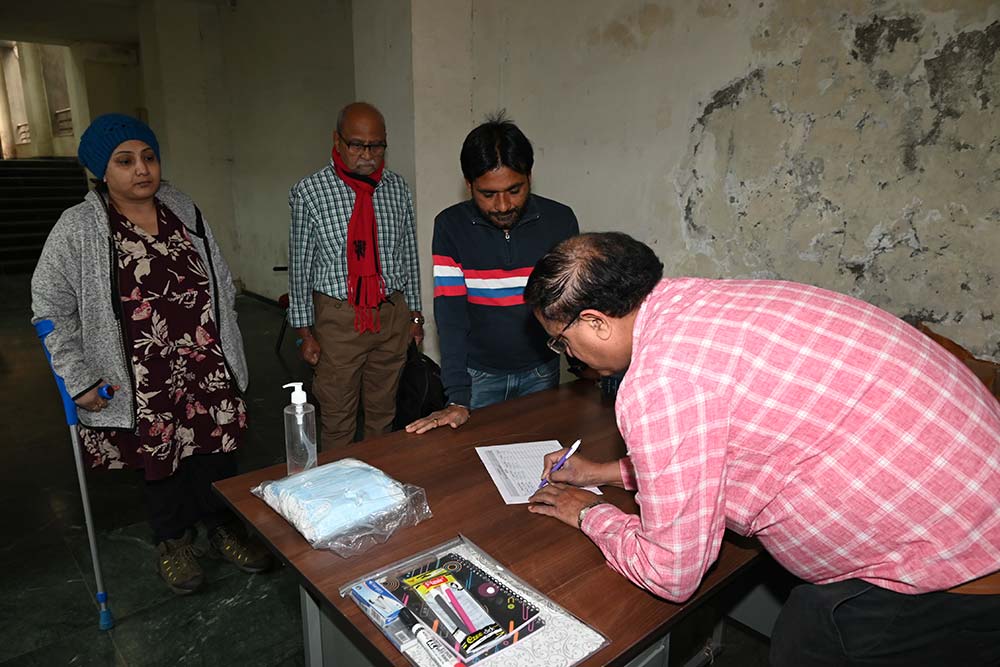
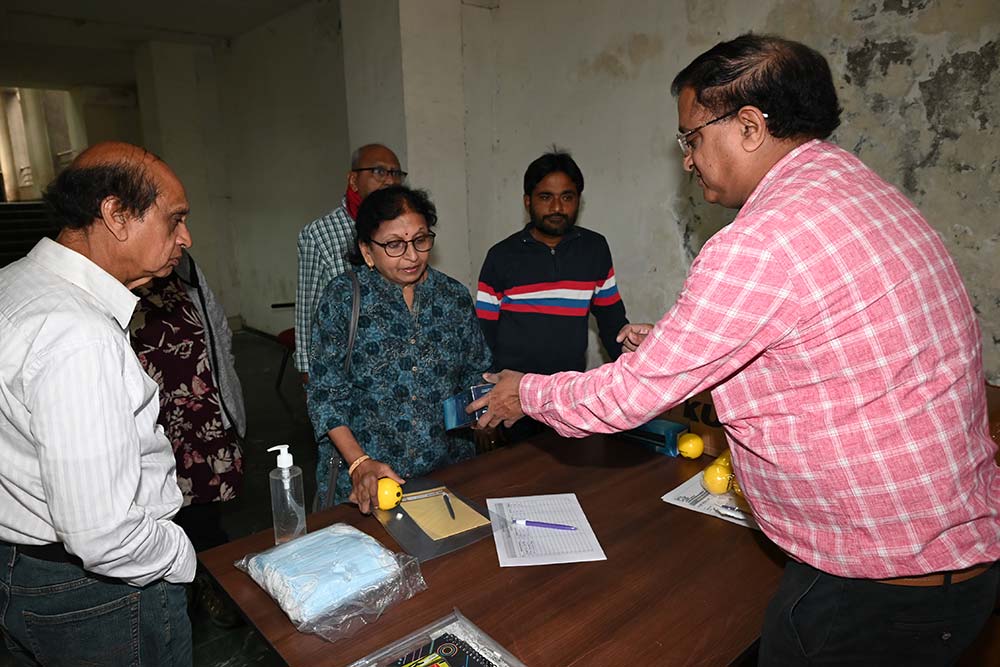
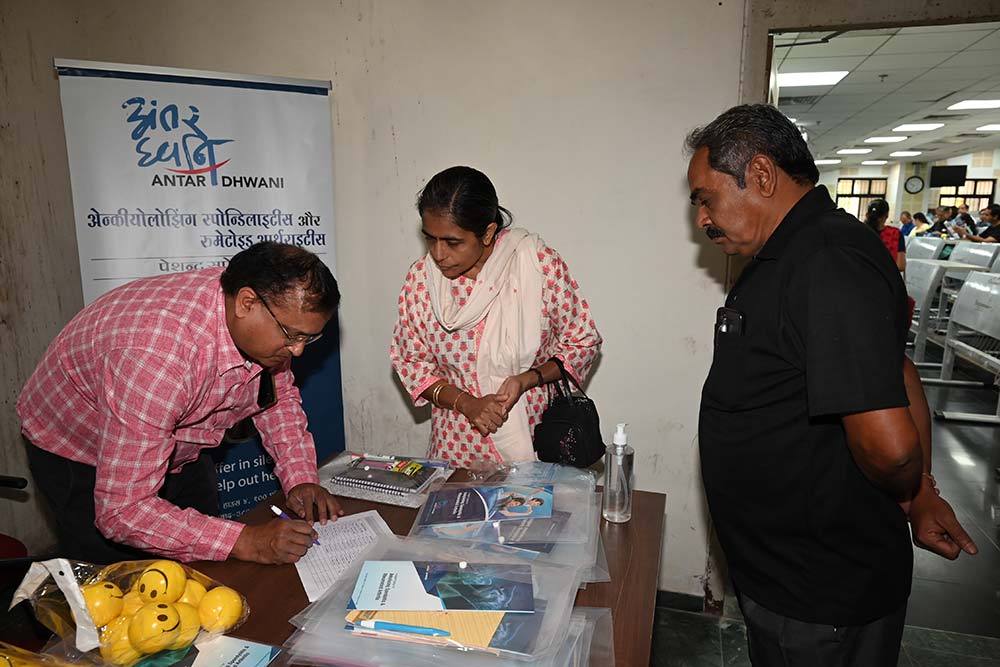
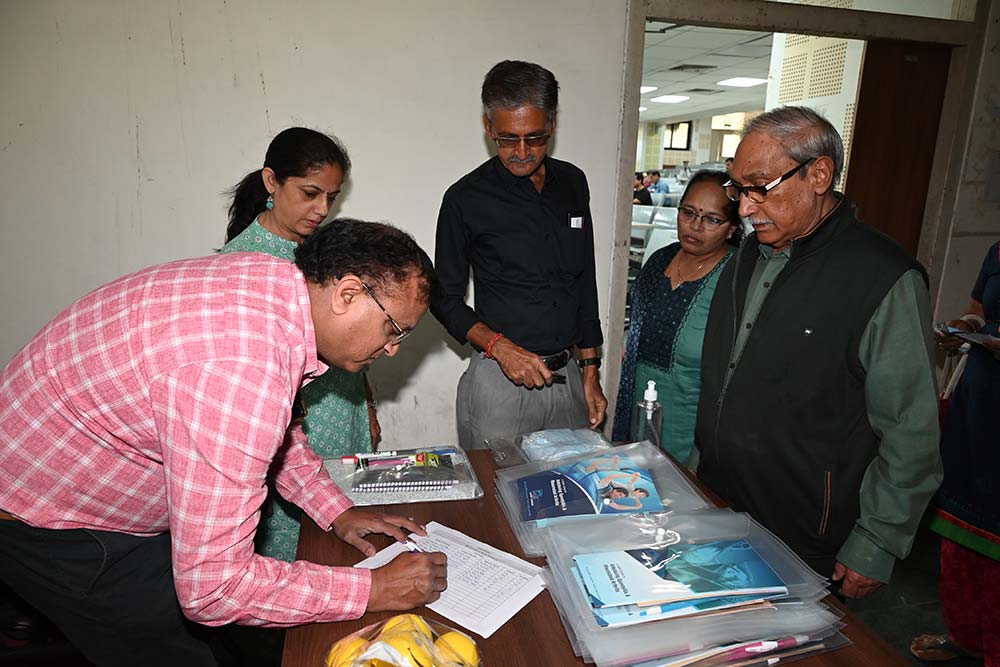
Image Gallery

Q & A

If I have Rheumatoid Arthritis, will it automatically pass on to my children?
+
No, Rheumatoid Arthritis is not directly inherited. While genetics can increase susceptibility, most children of RA patients never develop the disease. Environmental factors, lifestyle, and immune triggers play a larger role. Awareness and early evaluation are key, not fear.
Is uveitis common in Rheumatoid Arthritis patients?
+
Uveitis is less common in RA compared to Ankylosing Spondylitis, but RA patients can develop eye issues such as dry eyes, scleritis, or episcleritis. Any eye pain, redness, or blurred vision should be evaluated promptly to prevent complications.
Is there any connection between piles (hemorrhoids) and Rheumatoid Arthritis?
+
RA does not directly cause piles, but chronic constipation, prolonged sitting, reduced mobility, or certain medications can increase the risk. Managing digestion, staying active, and discussing symptoms early can help prevent complications of rheumatoid arthritis.
I am a female athlete with Rheumatoid Arthritis. What special care should I take?
+
Athletes with RA can remain active with smart planning. Focus on joint-protective training, proper warm-ups, recovery time, nutrition, and regular disease monitoring. Ignoring pain or overtraining during flares can lead to long-term joint damage.
When should RA patients use hot water therapy and when should they use ice packs?
+
Heat therapy helps relieve stiffness and muscle tightness, especially before movement or exercise. Ice packs are more effective during acute swelling, inflammation, or flare-ups. Knowing when to use each improves pain control and daily function.
Why does Rheumatoid Arthritis pain increase during stress or poor sleep?
+
Stress and lack of sleep can trigger immune activity and inflammation, worsening Rheumatoid Arthritis Symptoms. Managing stress, improving sleep quality, and maintaining routine care can significantly reduce flare frequency.
Dark Blue Arrow
Join Now Insights Patient Stories