
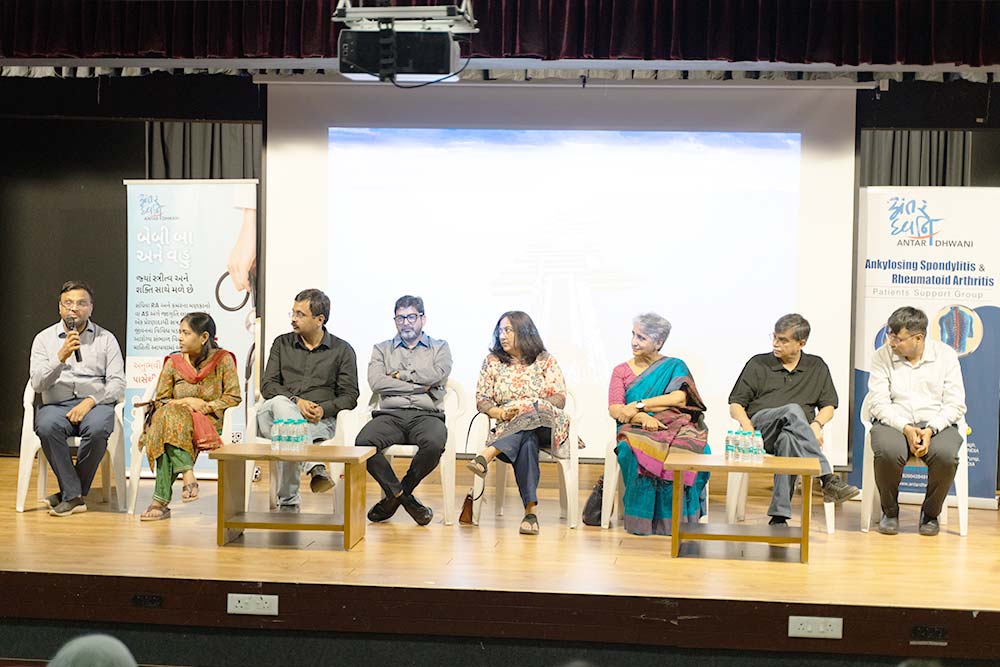
Featured Penelists

Dr. Sapan Pandya
Rheumatologist

Dr. Reena Sharma
Rheumatologist

Dr. Anuj Shukla
Rheumatologist

Dr. Puja Srivastava
Rheumatologist

Dr. Bhowmik Meghnathi
Rheumatologist

Dr. Rutviz Mistry
Rheumatologist

Dr. Vishnu Sharma
Rheumatologist

Dr. Dhaiwat Shukla
Rheumatologist

Dr Pushpa Yadava
Gynecologist
Event Overview
Living with Rheumatoid Arthritis (RA) and Ankylosing Spondylitis (AS) is challenging. For women, the journey can be even more complex as hormones, reproductive health, pregnancy, and menopause influence disease activity in unique ways.
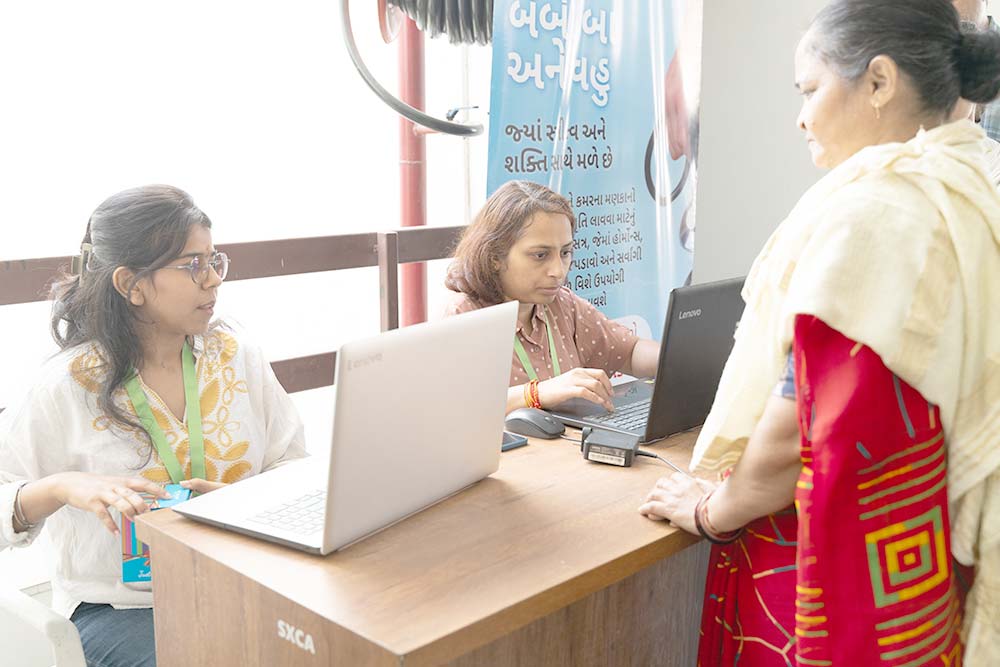
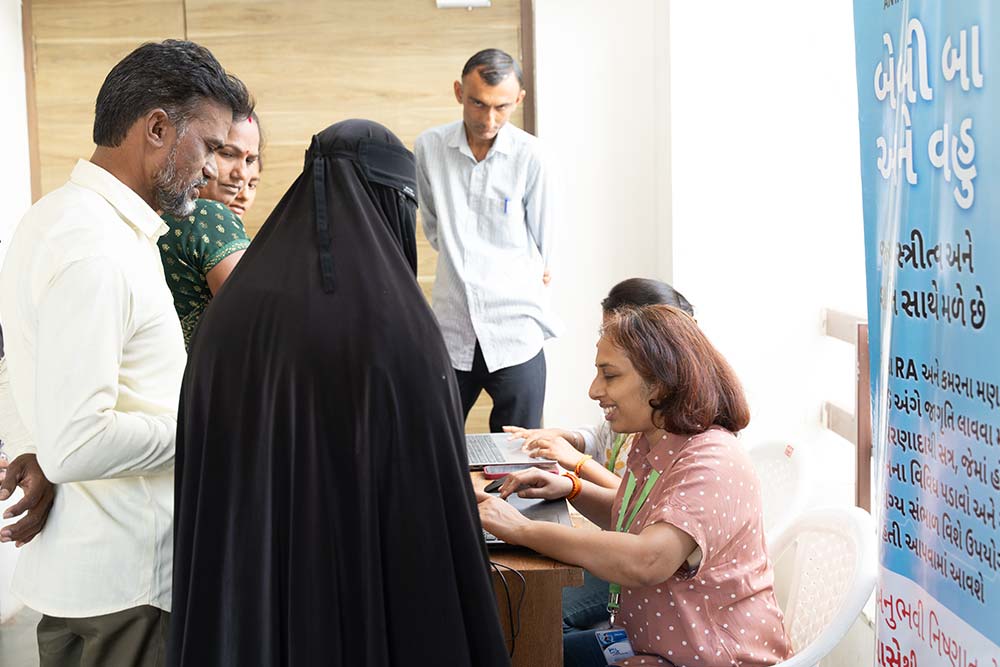
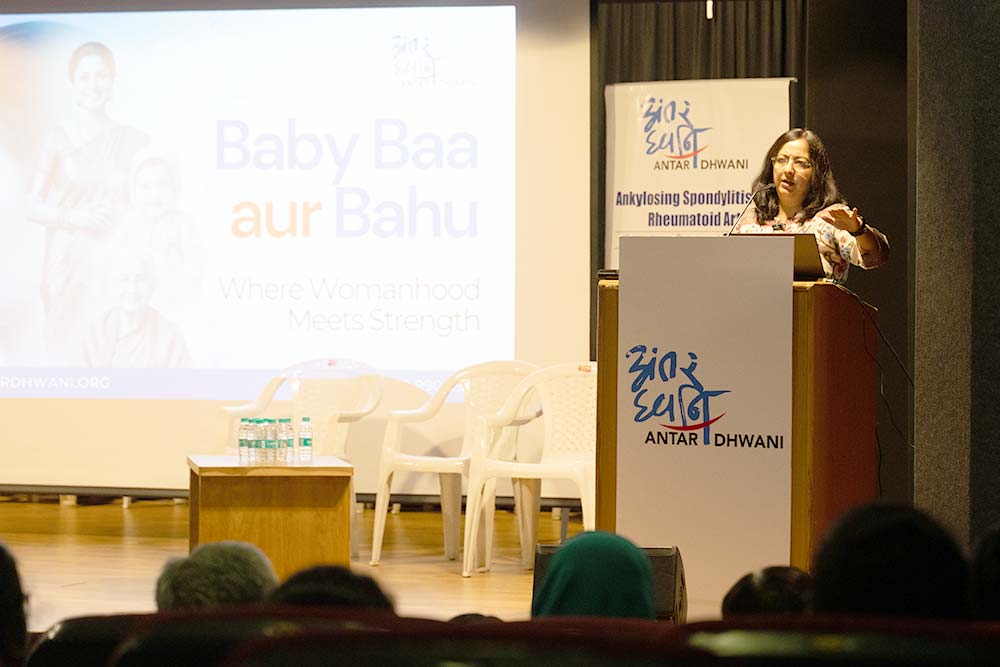
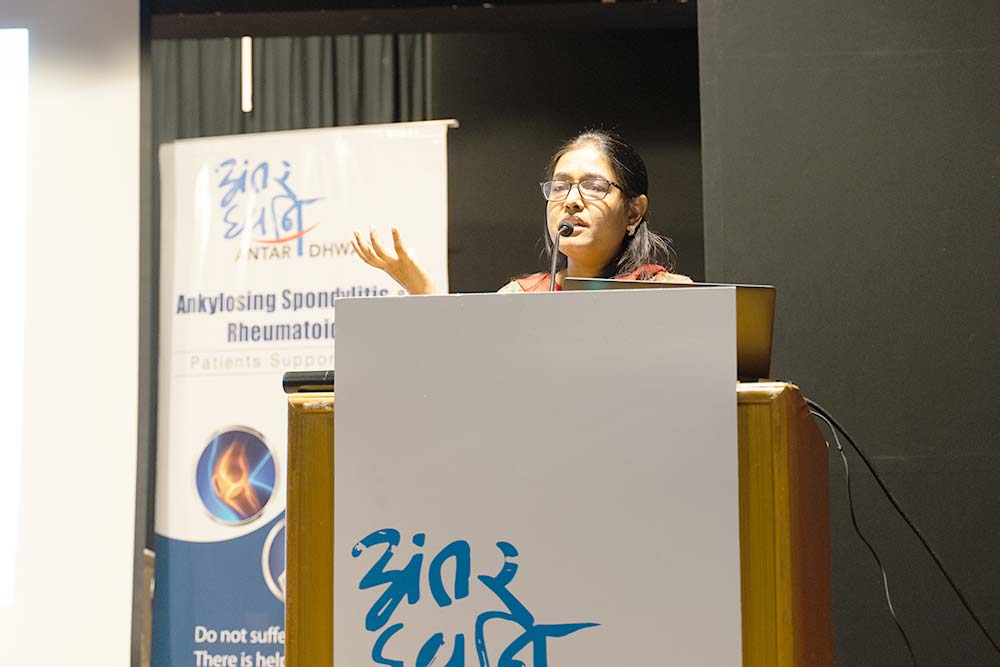
Antardhwani invites you to a dedicated All Women Health Event focused on understanding the biological, reproductive, and emotional dimensions of RA and AS. This event is designed to empower women with evidence-based knowledge, expert guidance, and a supportive community.
Whether you are newly diagnosed, planning pregnancy, navigating menopause, or supporting someone with RA or AS – this event is for you.
Event Agenda
Who Should Attend?
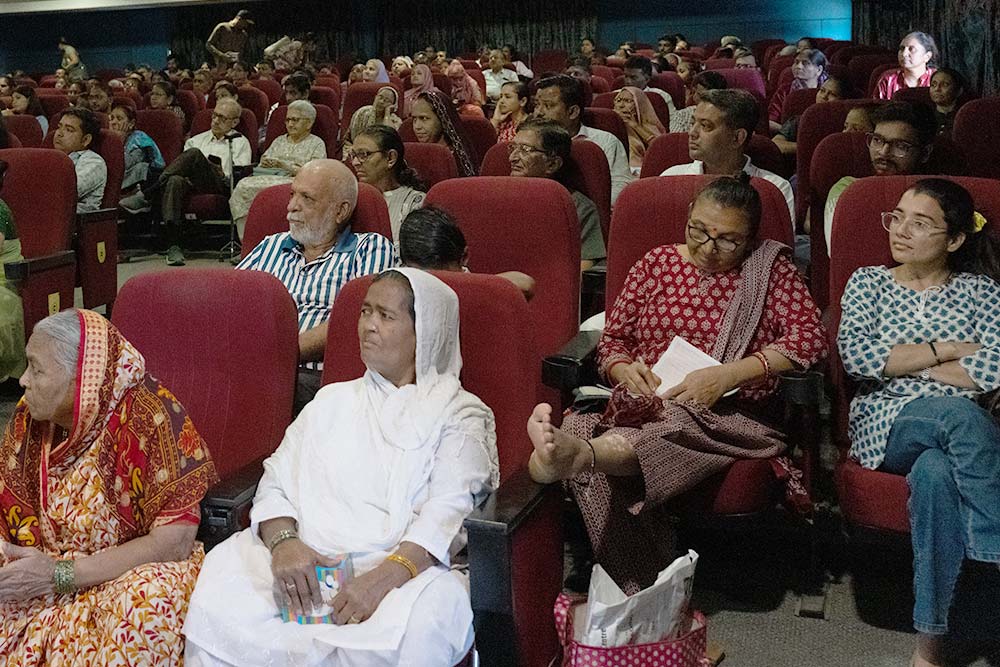
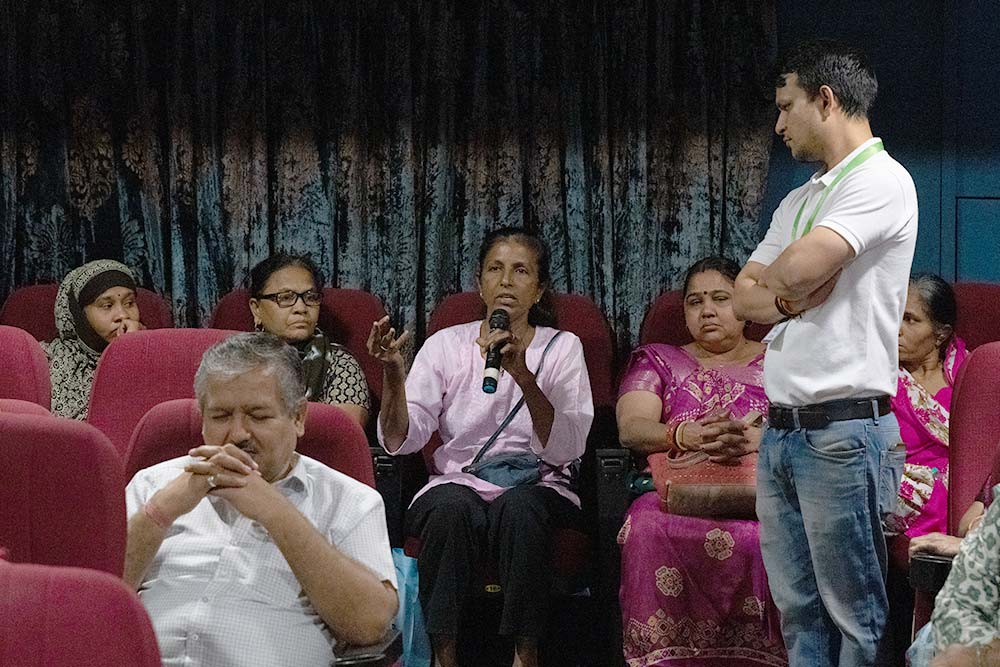
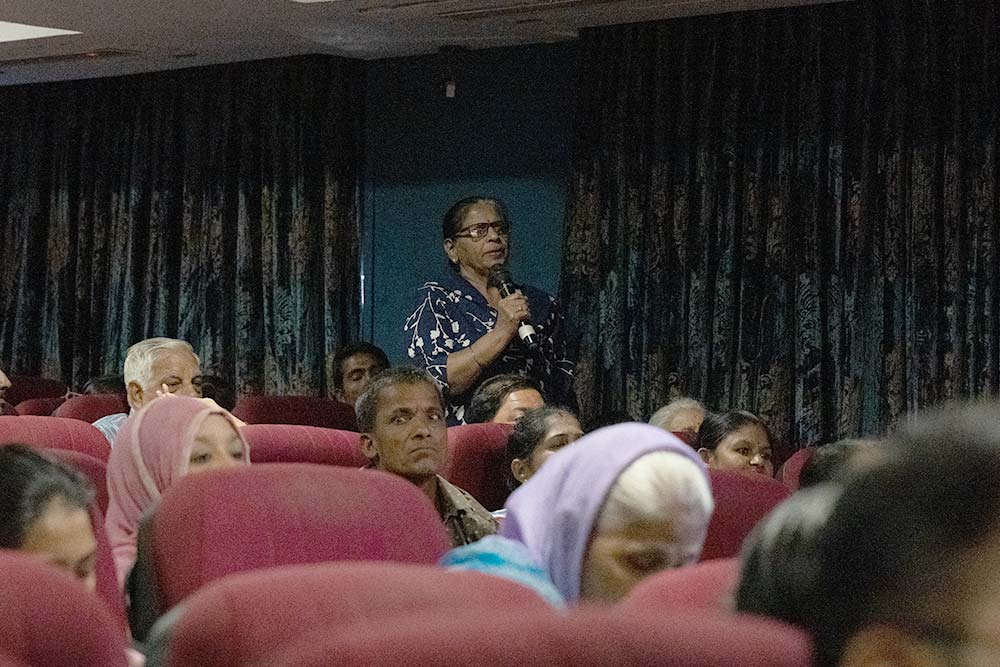
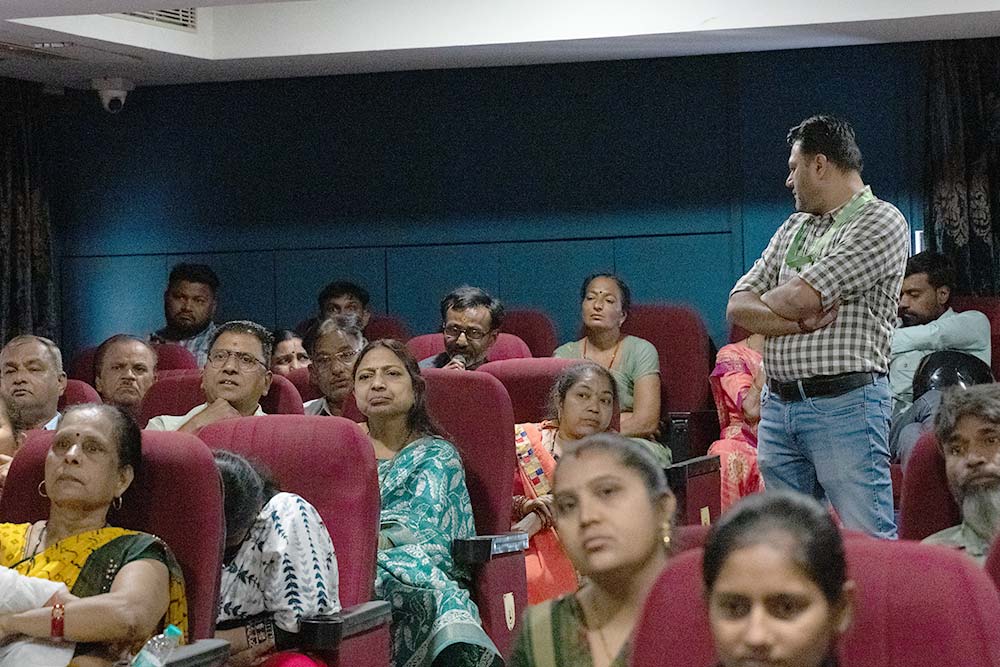

Yes, some women may notice a temporary increase in joint pain, stiffness, or fatigue around their periods. This is often linked to hormonal fluctuations, especially the drop in estrogen, which can influence inflammation and pain sensitivity.
However, this experience varies from person to person some may feel worsening symptoms, while others may not notice any change. If the flare is frequent or severe, it’s advisable to discuss it with your doctor for better symptom management.
Yes, long-term RA and AS can increase the risk of osteoporosis due to chronic inflammation, reduced mobility, and certain medications like steroids.
Regular bone health check-ups, adequate calcium and vitamin D, and an active lifestyle can help reduce this risk.
Not necessarily. Many biologic medications can be continued safely during conception and, in some cases, even during pregnancy, depending on the specific drug and your disease condition.
Stopping biologics on your own may lead to a disease flare, which can make conception and pregnancy more difficult.
The best approach is to consult your rheumatologist and gynecologist before planning pregnancy. They will guide you on whether to continue, stop, or switch medications to ensure both disease control and pregnancy safety.