
Importance of Exercise in Disease management and recovery

  • Date: 3rd March 2024
  • Venue: Digamber Jain Nasiya Bhattarakji, Narayan Sing Circle, Tonk Road, Jaipur
  • Event Ended
Importance of Exercise in Disease management and recovery

Featured Penelists

Dr. Rahul Jain

Dr. Rahul Jain

Rheumatologist

Dr. Bhupendra Vaishnav

Dr. Bhupendra Vaishnav

Rheumatologist

Dr. Renu Segal

Dr. Renu Segal

Rheumatologist

Dr. Avinash Jain

Dr. Avinash Jain

Rheumatologist

Dr. Bharat Dave

Dr. Bharat Dave

Spine Specialist

Dr. Deepak Rajpurohit

Dr. Deepak Rajpurohit

Physiotherapist

Dr. Aradhana Singh

Dr. Aradhana Singh

Rheumatologist

Event Overview

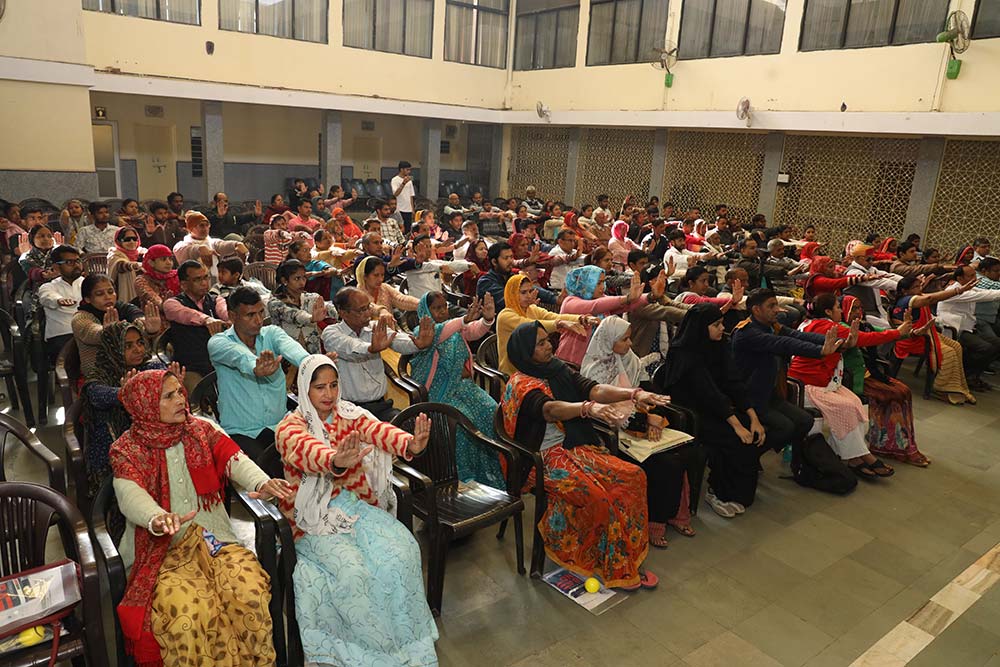
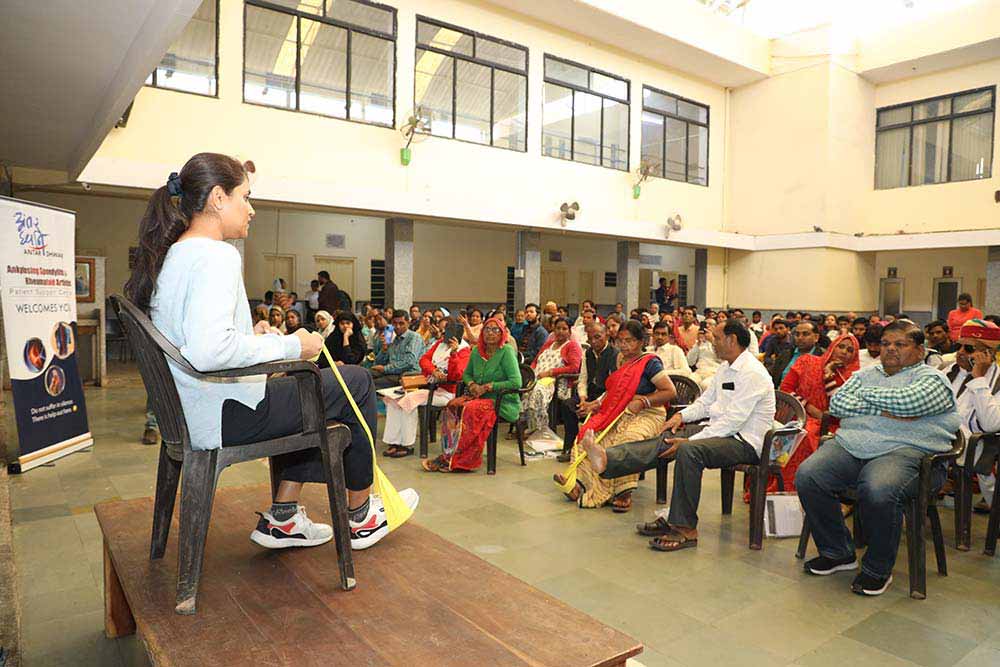
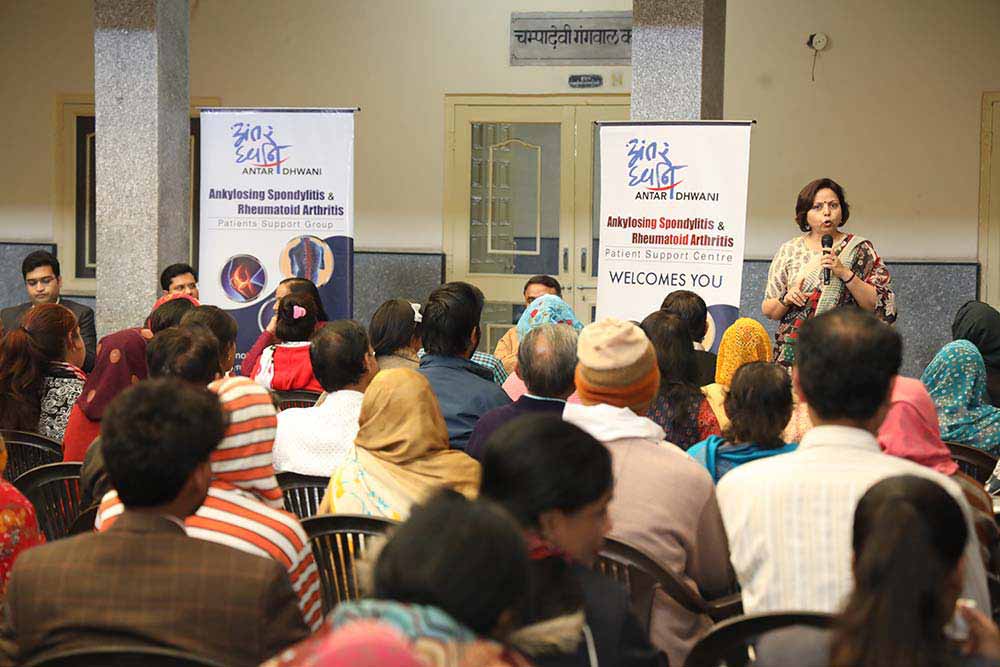
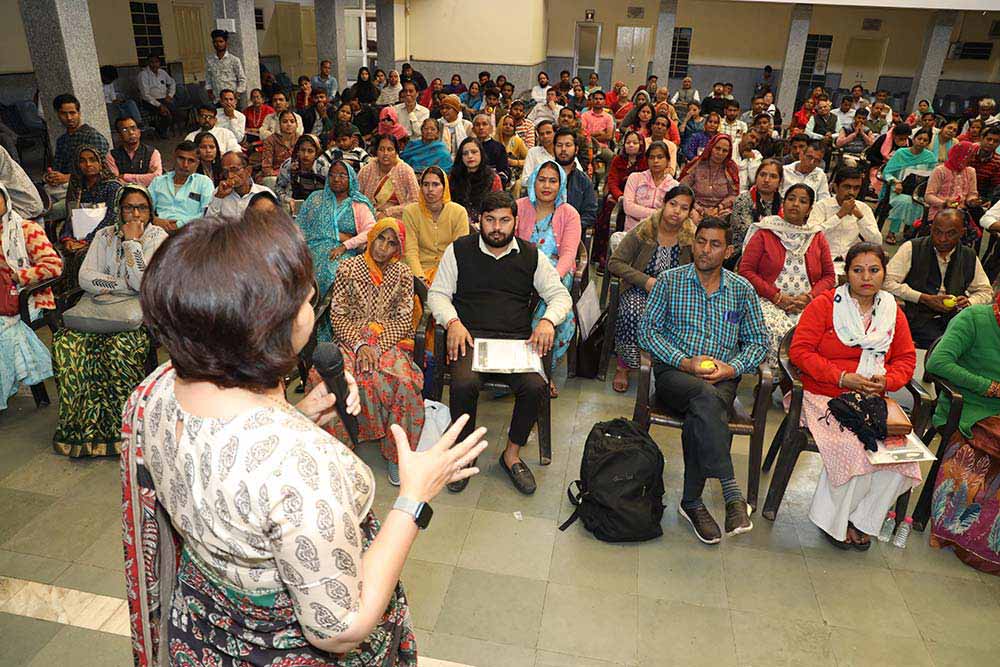
Importance of Exercise in Disease Management and Recovery is an educational session designed to highlight the vital role of safe, guided physical activity in managing chronic conditions and supporting recovery. The event focuses on how regular exercise helps reduce pain, improve mobility, strengthen muscles, and enhance overall quality of life. Through expert-led guidance and practical insights, participants learn how to incorporate appropriate exercises into their daily routine, avoid common mistakes, and build confidence in movement as an essential part of long-term disease management and healing.


Event Agenda

  • Welcome & Session Introduction
  • Understanding the Role of Exercise in Chronic Conditions
  • Types of Exercises for Safe Disease Management
  • Exercise During Flare-Ups and Recovery Phases
  • Physiotherapy-Led Demonstration
  • Building a Sustainable Exercise Routine
  • Interactive Q&A Session
  • Key Takeaways & Closing Remarks

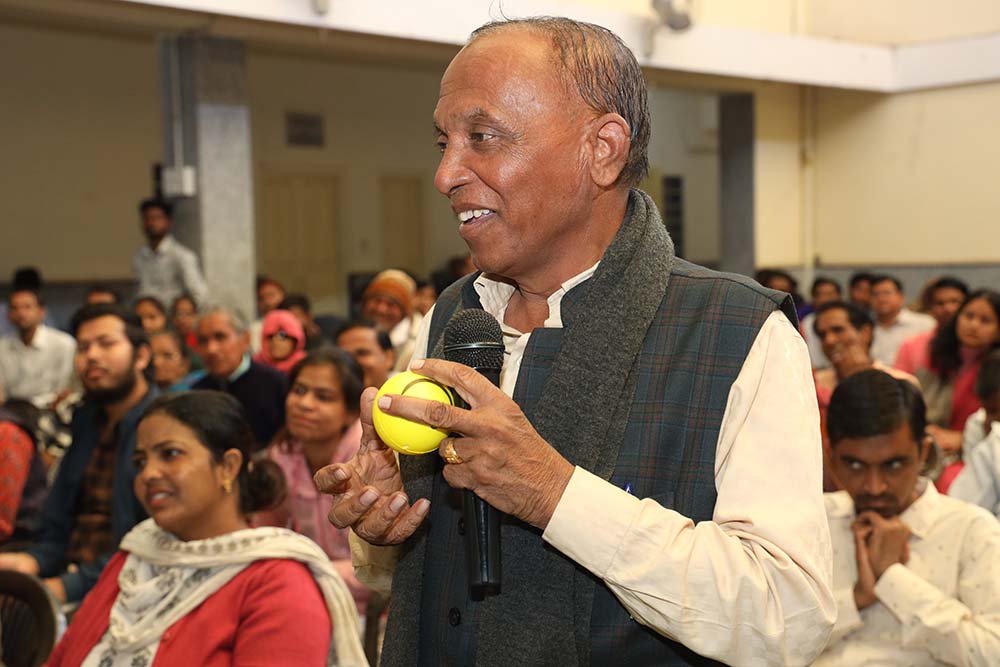
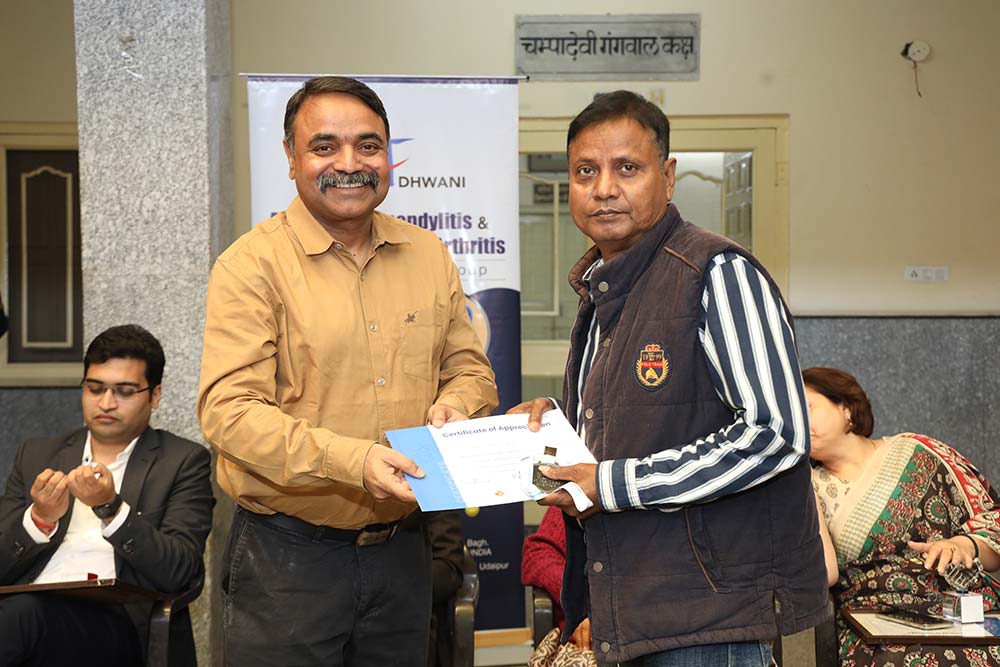
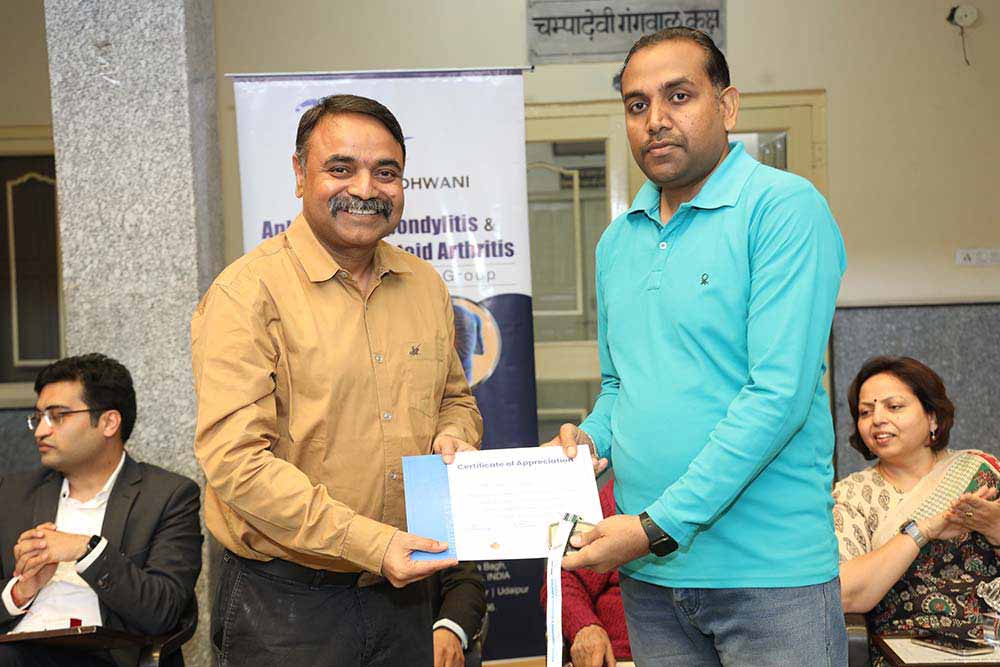
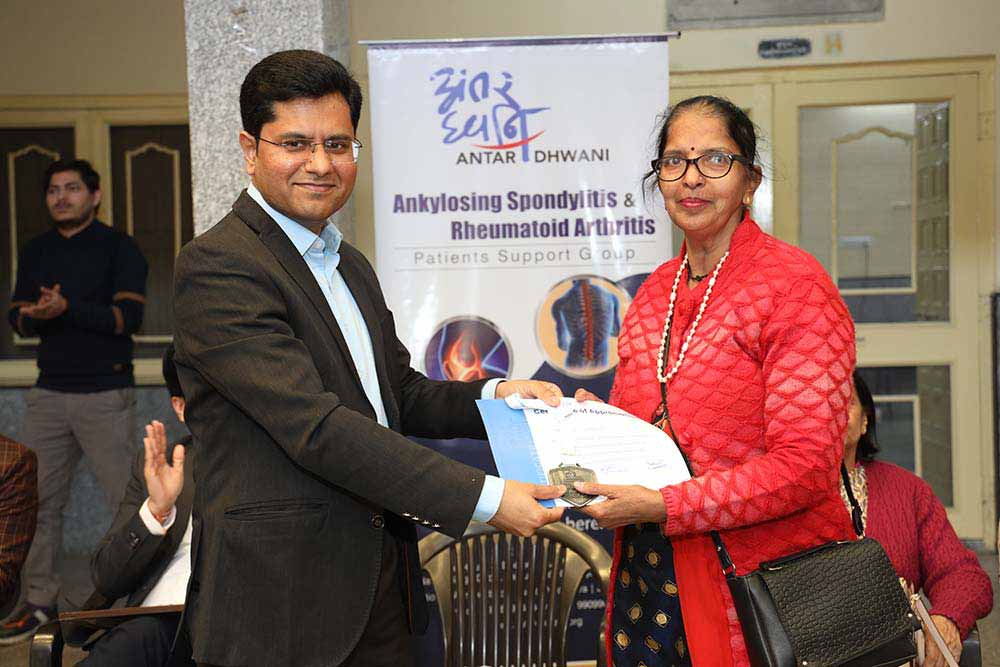
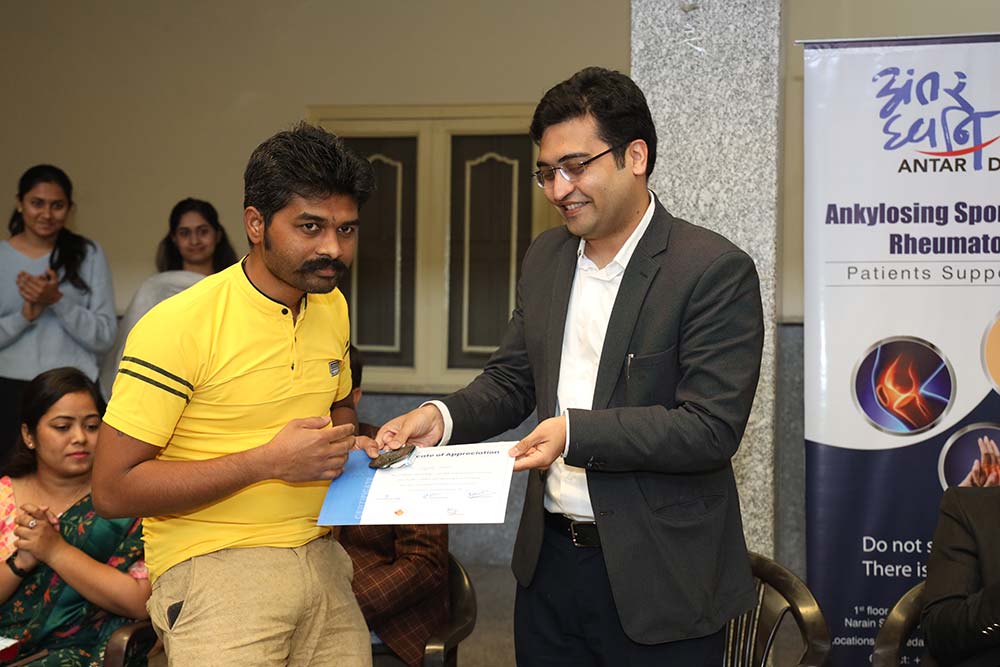
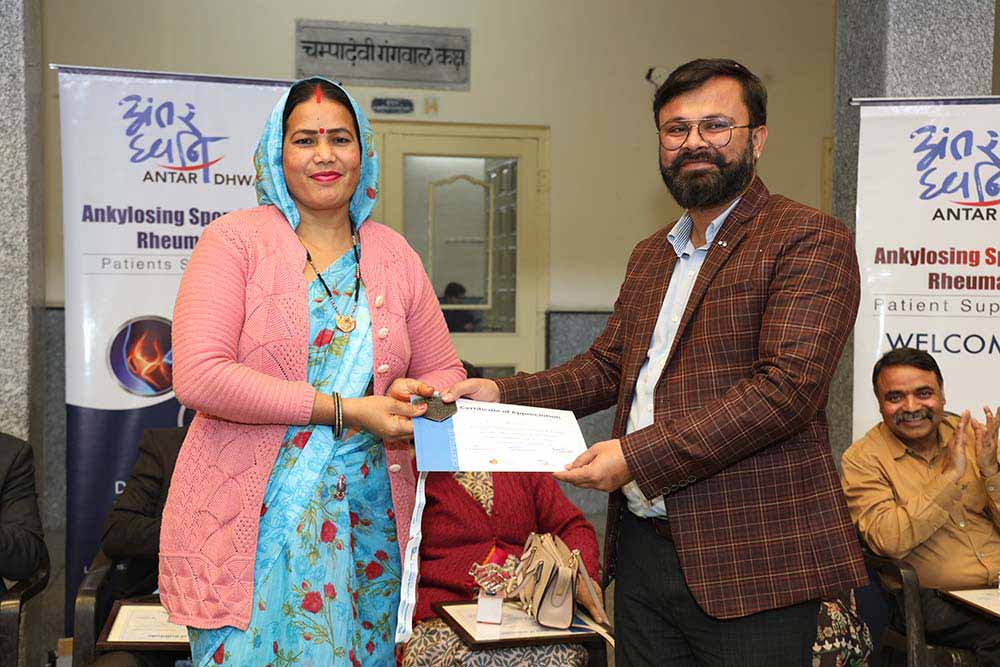
Image Gallery

Q & A

How can Rheumatoid Arthritis patients prevent permanent joint damage or deformity?
+
Early diagnosis, timely treatment with disease-modifying medications, and regular follow-up with a rheumatologist are the most effective ways to prevent joint damage. Delaying treatment or stopping medications increases the risk of irreversible deformities.
What types of daily exercises are safe and recommended for Rheumatoid Arthritis patients?
+
Low-impact exercises such as stretching, range-of-motion movements, walking, swimming, and light strengthening exercises help reduce stiffness and preserve joint function. Exercise routines should be customized by a physiotherapist based on disease activity.
Why do I still have pain even though I take Rheumatoid Arthritis medicines regularly?
+
Persistent pain may occur due to ongoing inflammation, previous joint damage, muscle weakness, stress, poor sleep, or posture issues. Effective RA management often requires medication adjustments along with physiotherapy, lifestyle changes, and mental well-being support.
Should I stop Rheumatoid Arthritis medication once pain and swelling improve?
+
No. Symptom improvement does not mean the disease is cured. Stopping RA medication without medical guidance can lead to flare-ups and long-term joint damage. Always consult your rheumatologist before changing treatment.
How can I tell if my Rheumatoid Arthritis is under control or silently progressing?
+
Regular blood tests, clinical assessments, imaging when needed, and symptom tracking help monitor disease activity. RA may progress silently even with minimal pain, making routine follow-up essential.
Why is morning stiffness common in Rheumatoid Arthritis patients?
+
Morning stiffness lasting more than 30–60 minutes is a classic sign of inflammatory arthritis. It occurs due to inflammation buildup during rest and usually improves with movement and gentle exercise.
Can Rheumatoid Arthritis go into remission, and is remission permanent?
+
Yes, RA can go into remission with early and effective treatment. However, remission requires ongoing monitoring, and medications are usually continued at adjusted doses to maintain long-term disease control.
Is fatigue normal in Rheumatoid Arthritis even when joint pain is manageable?
+
Yes. Fatigue is a common RA symptom caused by chronic inflammation, immune system activity, emotional stress, and sleep disturbances. Managing fatigue is an important part of holistic RA care.
Can poor posture or daily habits worsen Rheumatoid Arthritis symptoms?
+
Yes. Poor posture, repetitive joint strain, and improper ergonomics can increase pain and stiffness. Simple lifestyle and ergonomic adjustments can significantly improve comfort and joint health.
How often should a Rheumatoid Arthritis patient consult a rheumatologist?
+
During active disease, visits may be needed every few weeks. Once the condition is stable, follow-ups every 3–6 months help ensure sustained disease control and prevent silent progression.
Dark Blue Arrow
Join Now Insights Patient Stories