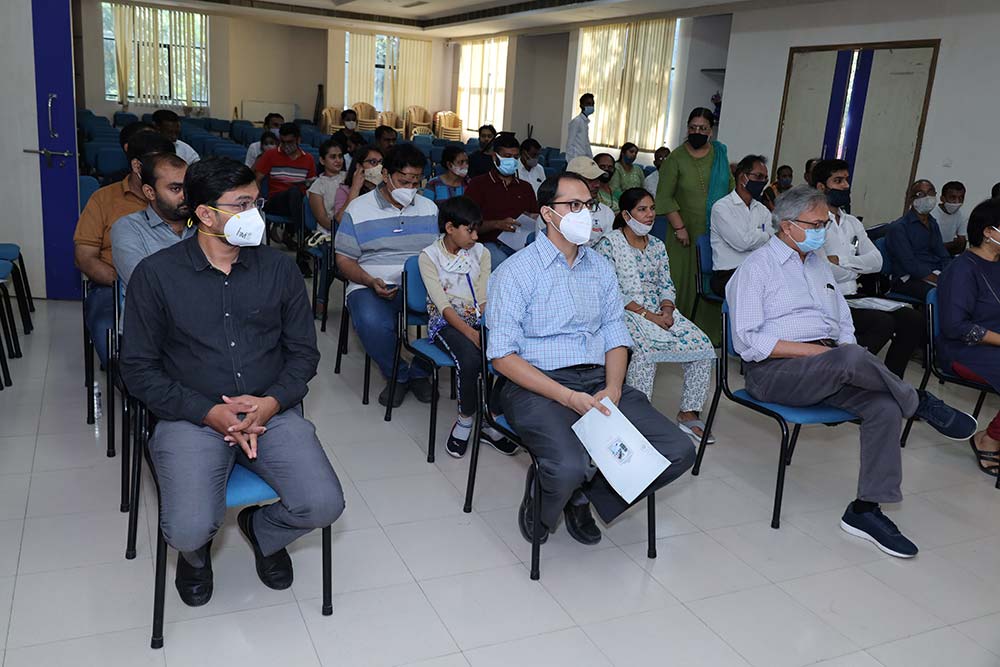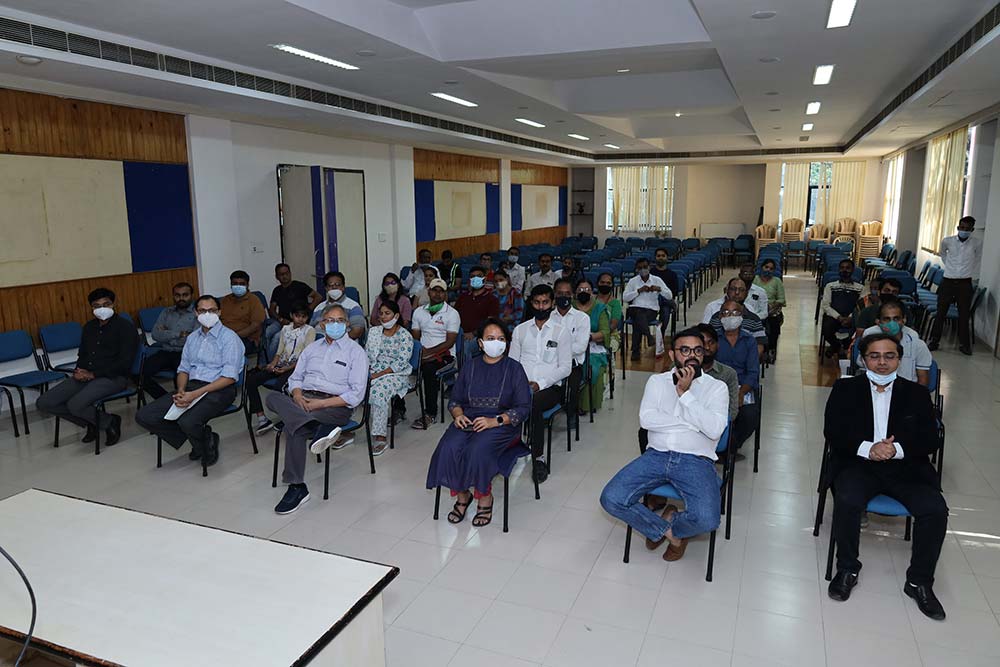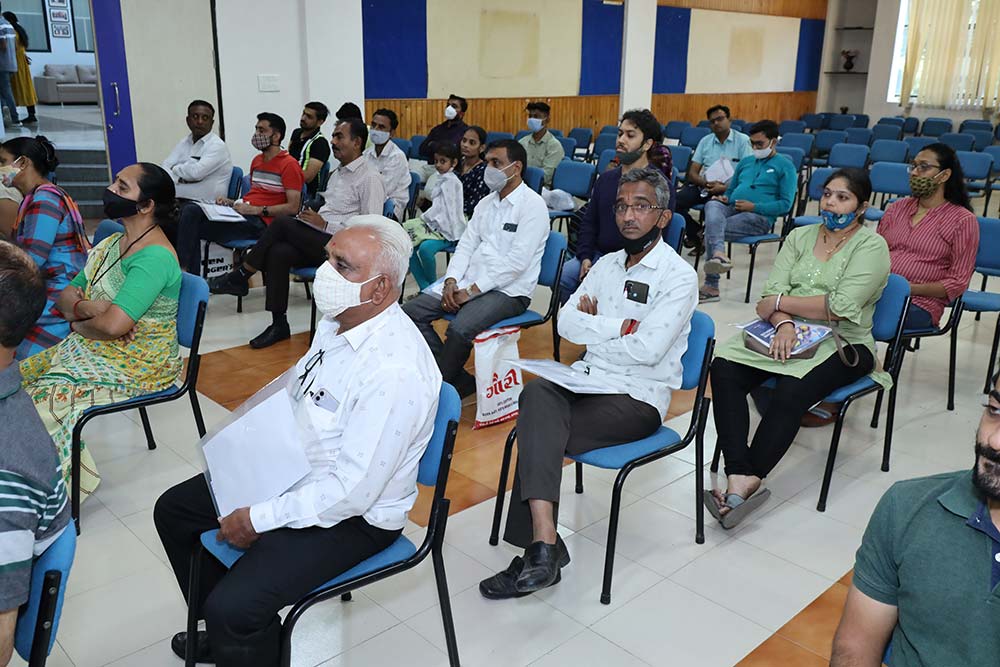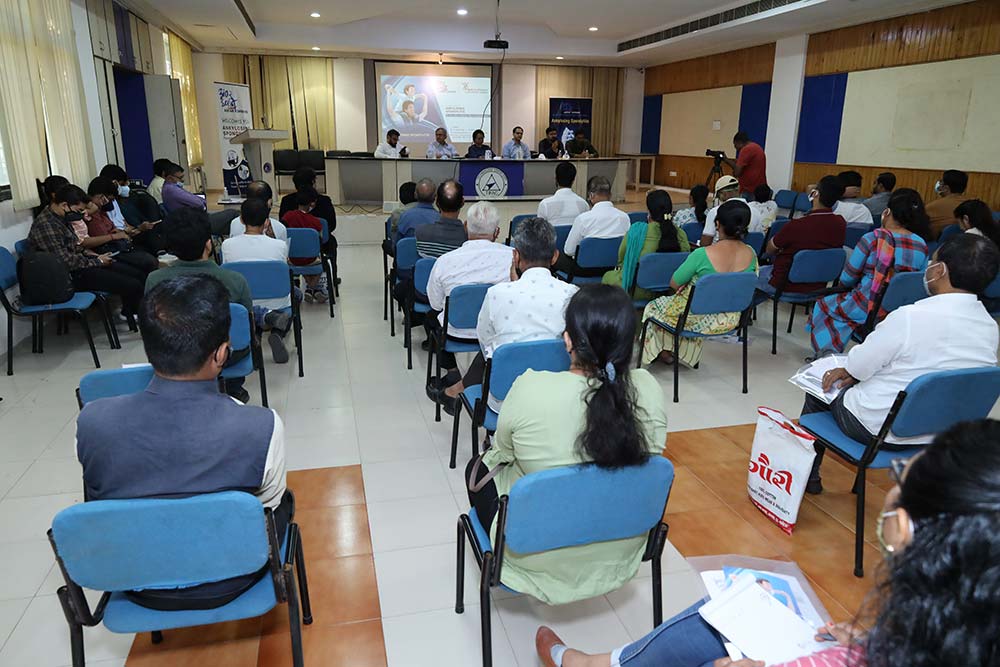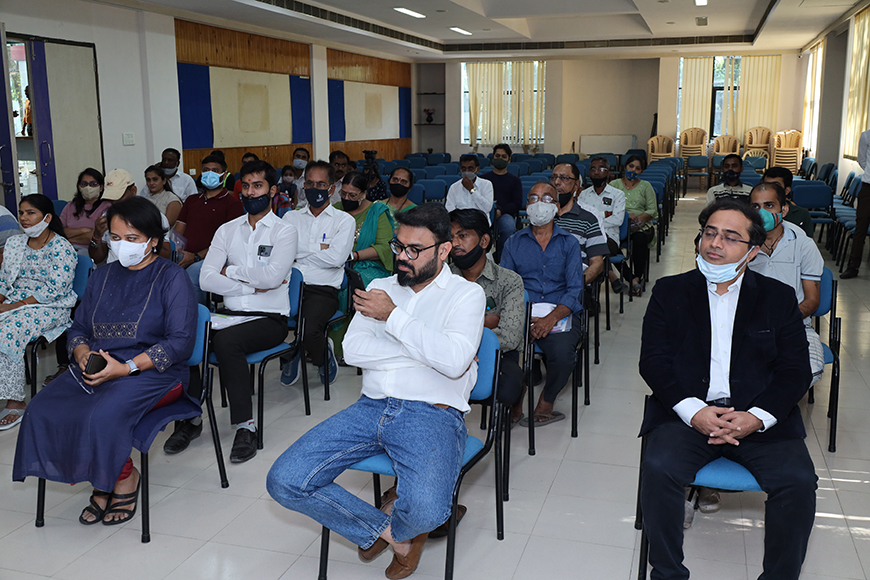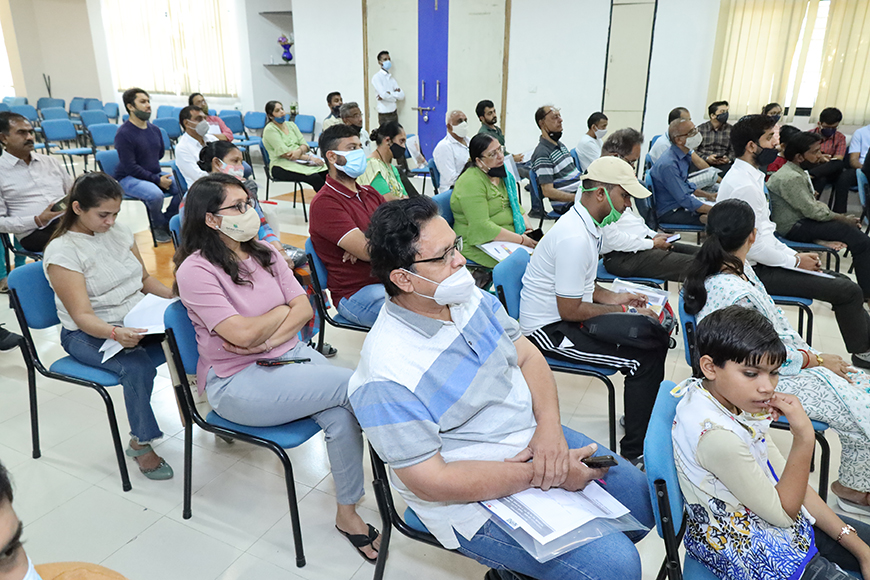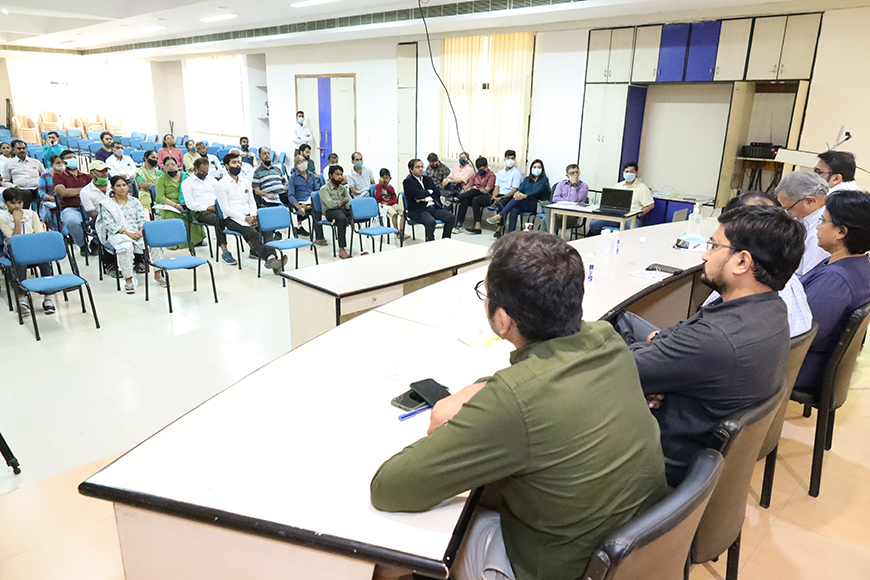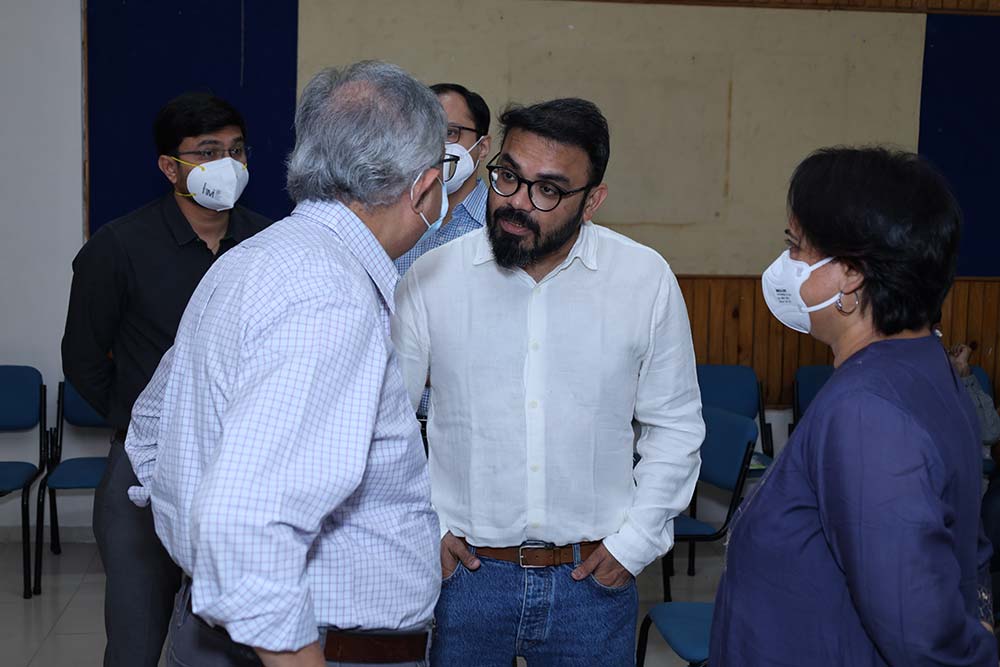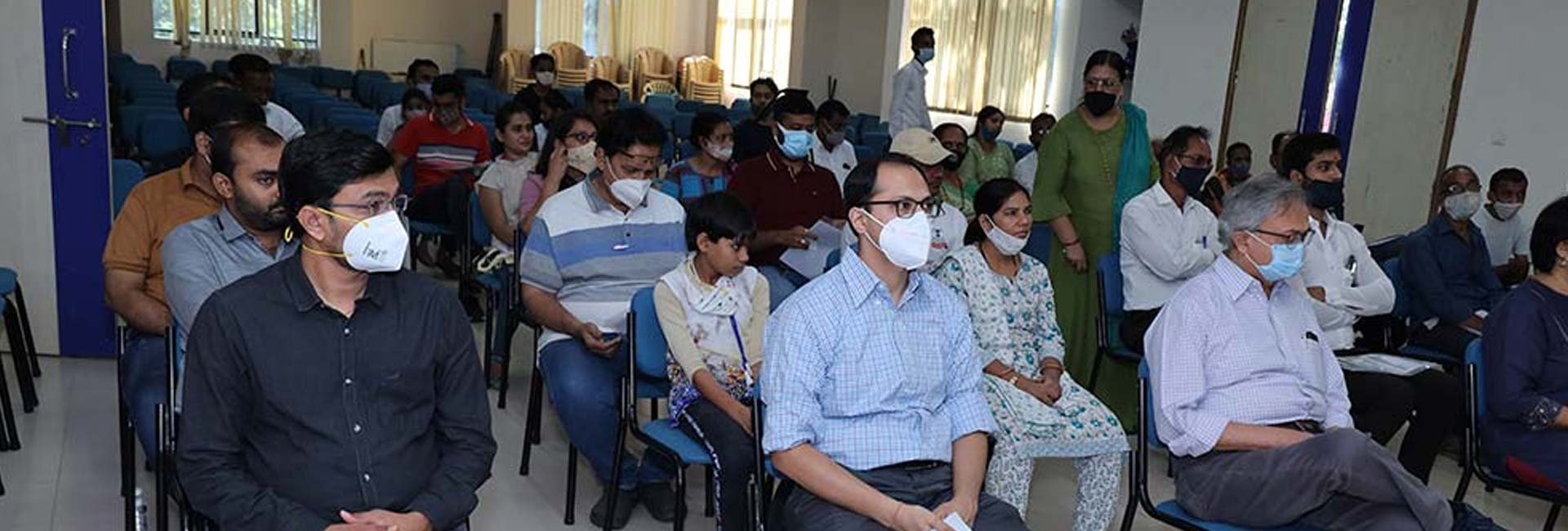

Disease Management in Ankylosing Spondylitis

  • Date: 28th November 2021
  • Venue: TFAC, Sarvajanik College of Engineering & Technology, Dr. R. K. Desai Marg, Opp. Mission Hospital, Athwalines, Surat, Gujarat, INDIA.
  • Event Ended
Disease Management in Ankylosing Spondylitis

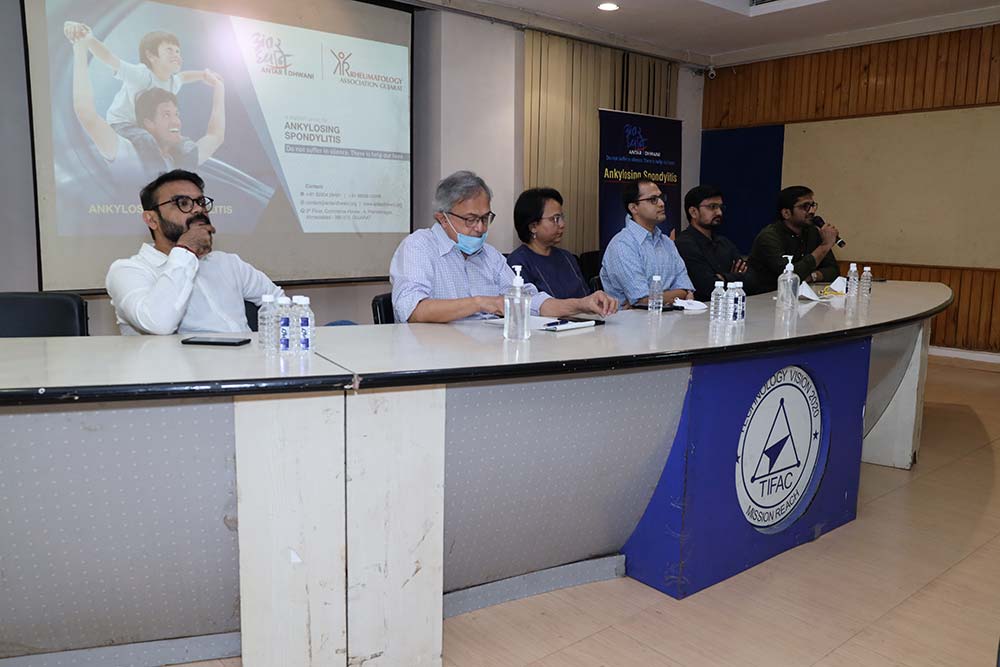
Featured Penelists

Dr. Namisha Patel

Dr. Namisha Patel

Rheumatologist

Dr. Himanshu Pathak

Dr. Himanshu Pathak

Rheumatologist

Dr. Pradip Prajapati

Dr. Pradip Prajapati

Rheumatologist

Dr. Ripal Shah

Dr. Ripal Shah

Rheumatologist

Dr. Chetan Chauhan

Dr. Chetan Chauhan

Rheumatologist

Dr. Jeet Patel

Dr. Jeet Patel

Rheumatologist

Dr. Vandita Inamdar

Dr. Vandita Inamdar

Dietician

Dr. Nirali Shah

Dr. Nirali Shah

Physiotherapist

Event Overview

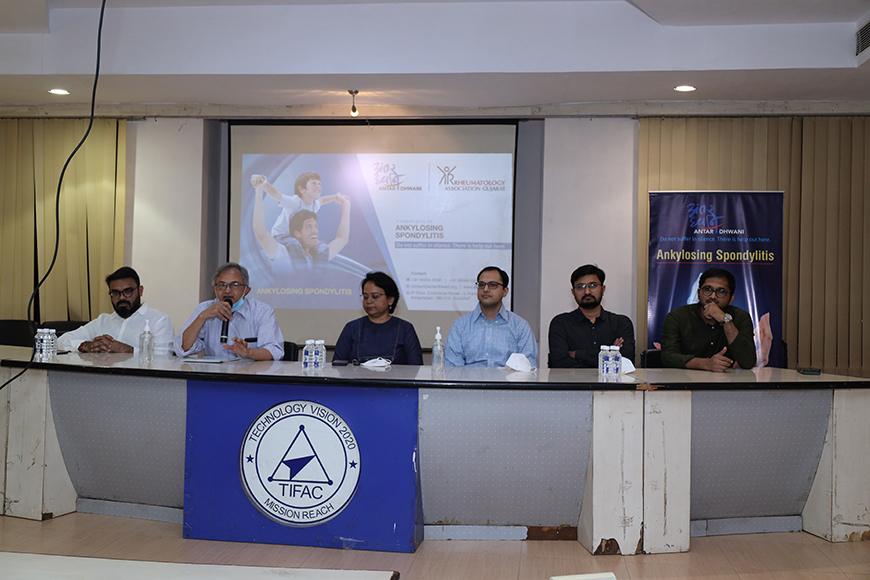
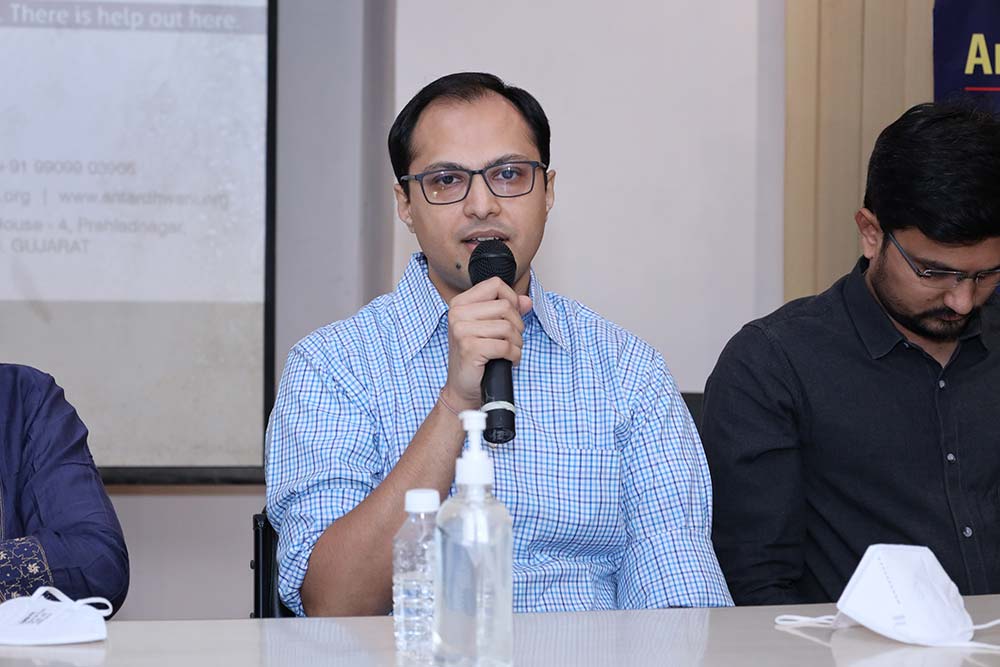
This educational program focuses on the comprehensive disease management of Ankylosing Spondylitis, a chronic inflammatory condition primarily affecting the spine and joints. The session is designed to highlight practical approaches to controlling symptoms, slowing disease progression, and improving functional mobility. Through expert-led discussions, participants gain clarity on medical management, rehabilitation strategies, and the importance of early and continuous care.

Key Takeaways

  • Understanding Ankylosing Spondylitis and its long-term impact
  • Importance of early diagnosis and timely intervention
  • Overview of medical management and treatment planning
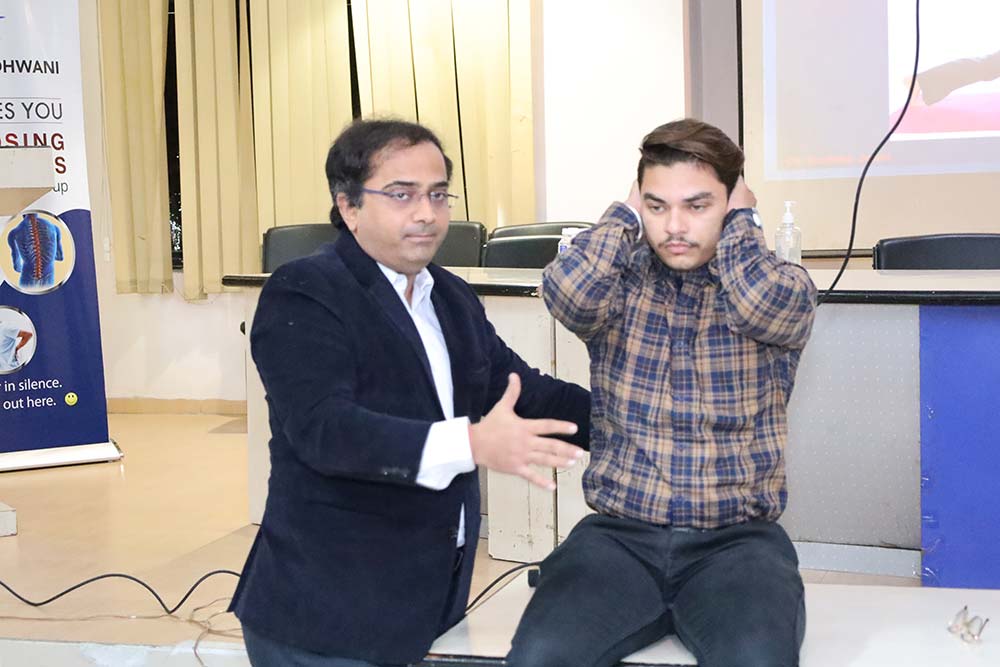
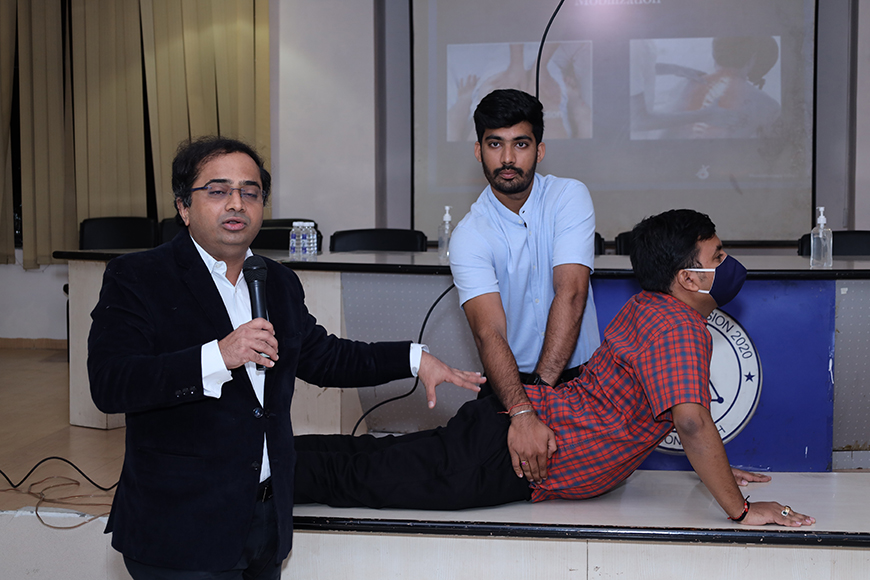
  • Role of physiotherapy in pain relief, posture, and mobility
  • Practical guidance for improving daily function and quality of life

Agenda

  • Overview of Ankylosing Spondylitis and Disease Progression
  • Medical Management Strategies in Ankylosing Spondylitis
  • Monitoring Disease Activity and Treatment Response
  • Role of Physiotherapy and Exercise in Disease Control
  • Expert Interaction and Open Discussion
  • Closing Remarks

Image Gallery

Q & A

Do I still need treatment if my Ankylosing Spondylitis symptoms are mild?
+
Yes. Ankylosing Spondylitis can progress even when symptoms feel mild. Early and continuous treatment helps control inflammation, prevent joint damage, and protect long-term spinal mobility, making regular care essential even in early stages.
How do doctors monitor whether Ankylosing Spondylitis is under control?
+
Doctors assess disease control using symptom tracking, physical examination, blood tests for inflammation, and imaging when required. Regular monitoring helps detect disease activity early and allows timely treatment adjustments.
Why does Ankylosing Spondylitis require long-term disease management?
+
Ankylosing Spondylitis is a chronic inflammatory condition. Long-term disease management focuses on controlling inflammation, preventing progression, maintaining mobility, and preserving quality of life rather than only treating pain during flare-ups.
Can stopping Ankylosing Spondylitis medication cause the disease to worsen?
+
Yes. Stopping medication without medical guidance can trigger flare-ups and disease progression. Ongoing treatment helps maintain disease control and reduces the risk of long-term complications.
How important is physiotherapy in managing Ankylosing Spondylitis?
+
Physiotherapy plays a critical role in Ankylosing Spondylitis management. It helps reduce stiffness, improve posture, maintain spinal flexibility, and support daily functioning alongside medical treatment.
Is exercise safe for people with Ankylosing Spondylitis?
+
Yes. Regular, guided exercise is safe and beneficial. Avoiding movement can increase stiffness and pain, while physiotherapist-guided exercises help improve mobility, posture, and long-term disease control.
What early signs indicate a flare-up in Ankylosing Spondylitis?
+
Common flare-up signs include increased morning stiffness, night pain, fatigue, reduced mobility, and new joint discomfort. Early recognition allows timely medical intervention and prevents worsening symptoms.
How can patients actively participate in managing Ankylosing Spondylitis?
+
Patients can take an active role by understanding their condition, tracking symptoms, following treatment plans, asking informed questions during consultations, and attending patient education programs and support events.
Dark Blue Arrow
Join Now Insights Patient Stories