
Ankylosing Spondylitis: Symptoms, Diagnosis, Treatment

  • Date: 21st November 2021
  • Venue: Mini Auditorium, Ground Floor, Medical College, SSG Hospital, Koti, Vadodara, Gujarat, INDIA.
  • Event Ended
Ankylosing Spondylitis: Symptoms, Diagnosis, Treatment

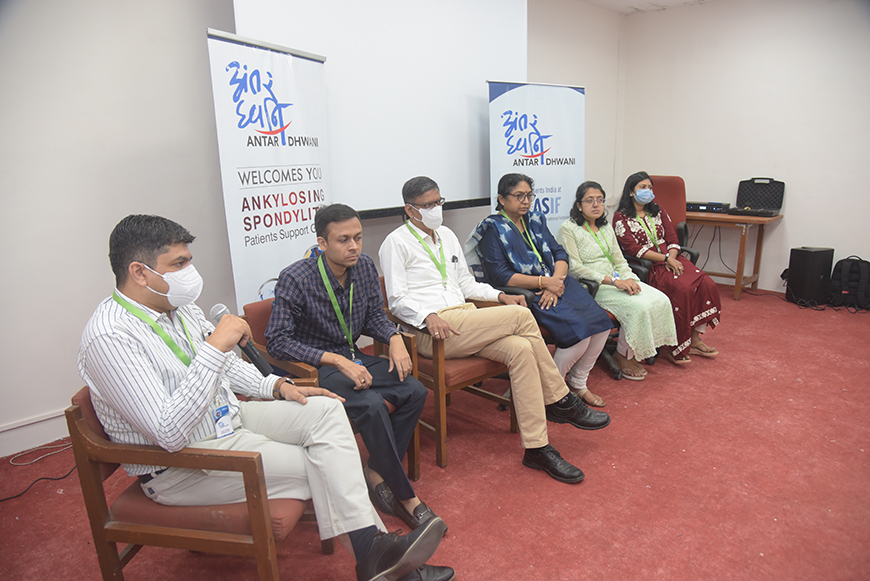
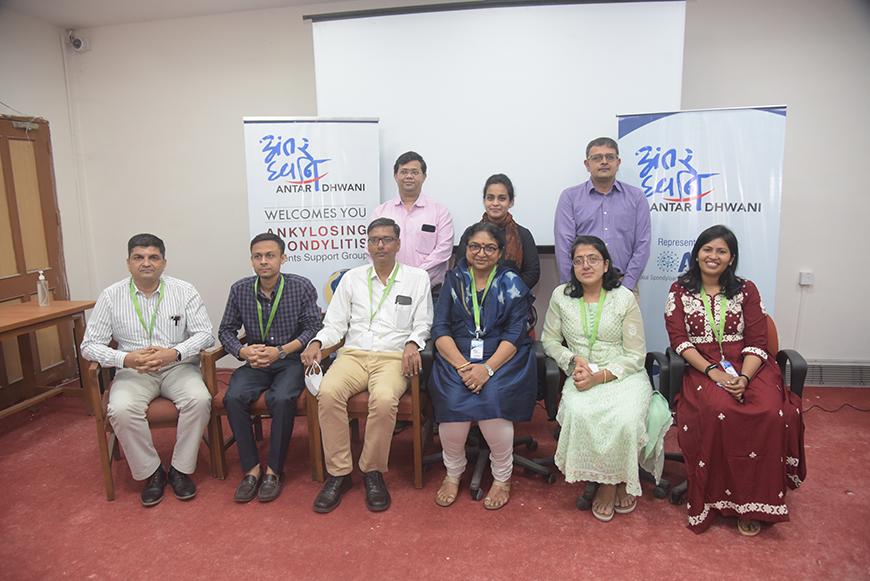
Featured Penelists

Dr. Namisha Patel

Dr. Namisha Patel

Rheumatologist

Dr. Himanshu Pathak

Dr. Himanshu Pathak

Rheumatologist

Dr. Pradip Prajapati

Dr. Pradip Prajapati

Rheumatologist

Dr. Ripal Shah

Dr. Ripal Shah

Rheumatologist

Dr. Chetan Chauhan

Dr. Chetan Chauhan

Rheumatologist

Dr. Jeet Patel

Dr. Jeet Patel

Rheumatologist

Dr. Vandita Inamdar

Dr. Vandita Inamdar

Dietician

Dr. Nirali Shah

Dr. Nirali Shah

Physiotherapist

Event Overview

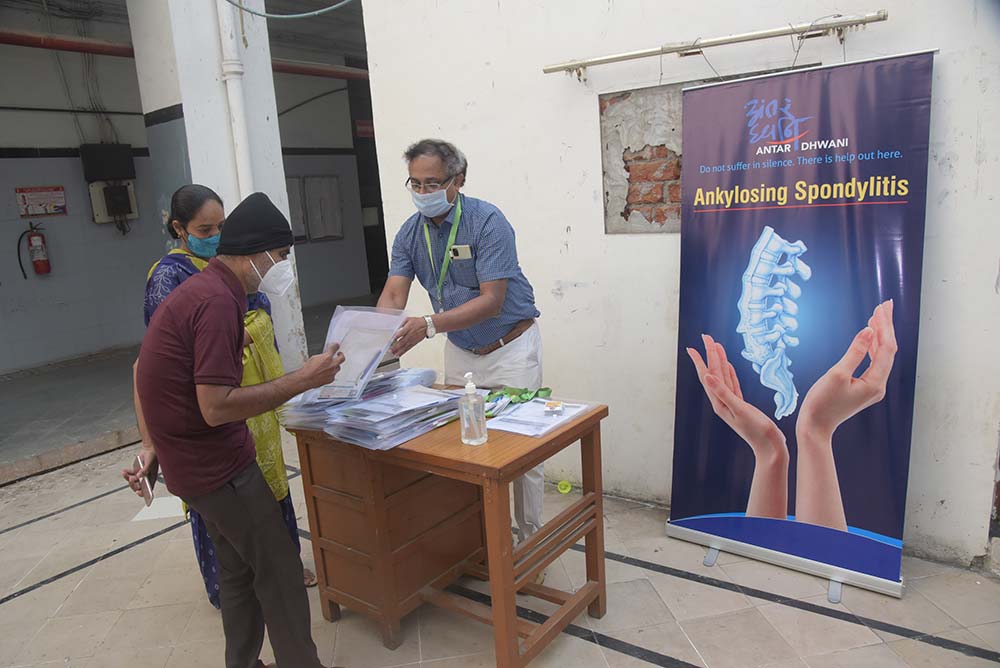
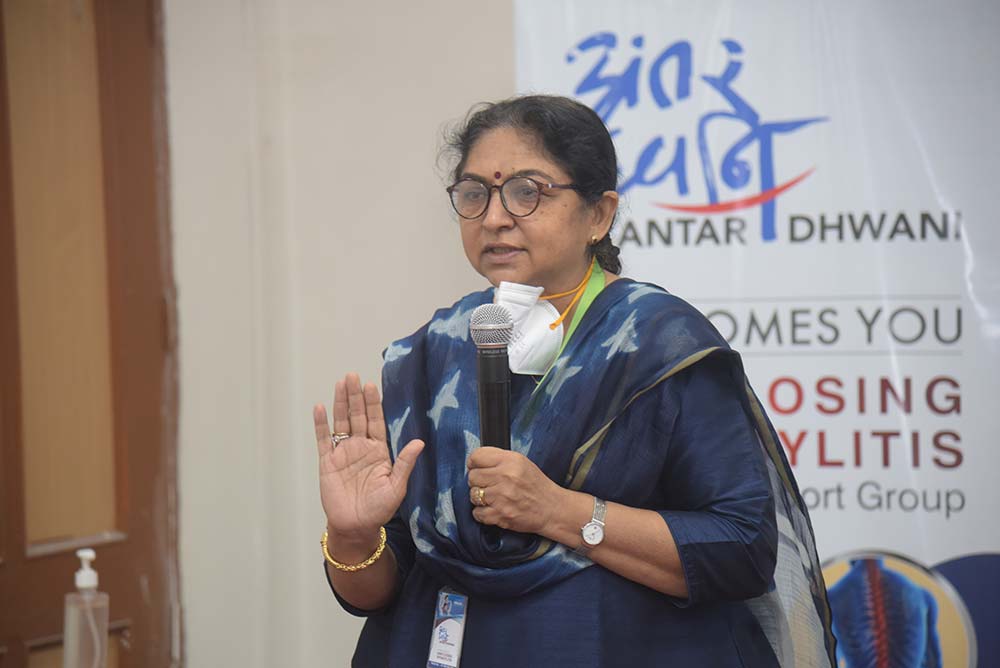
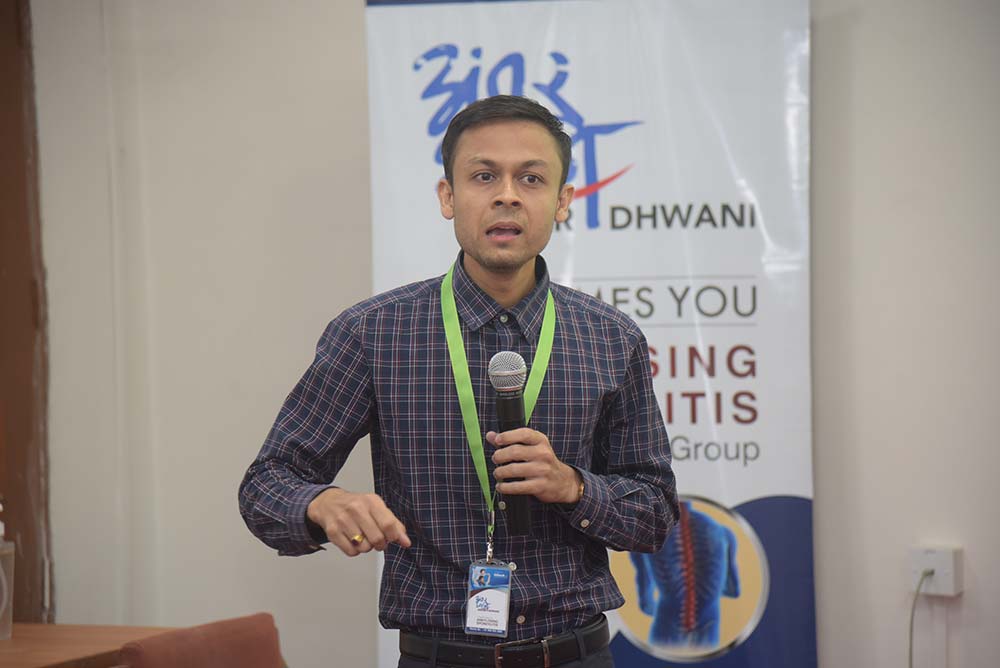
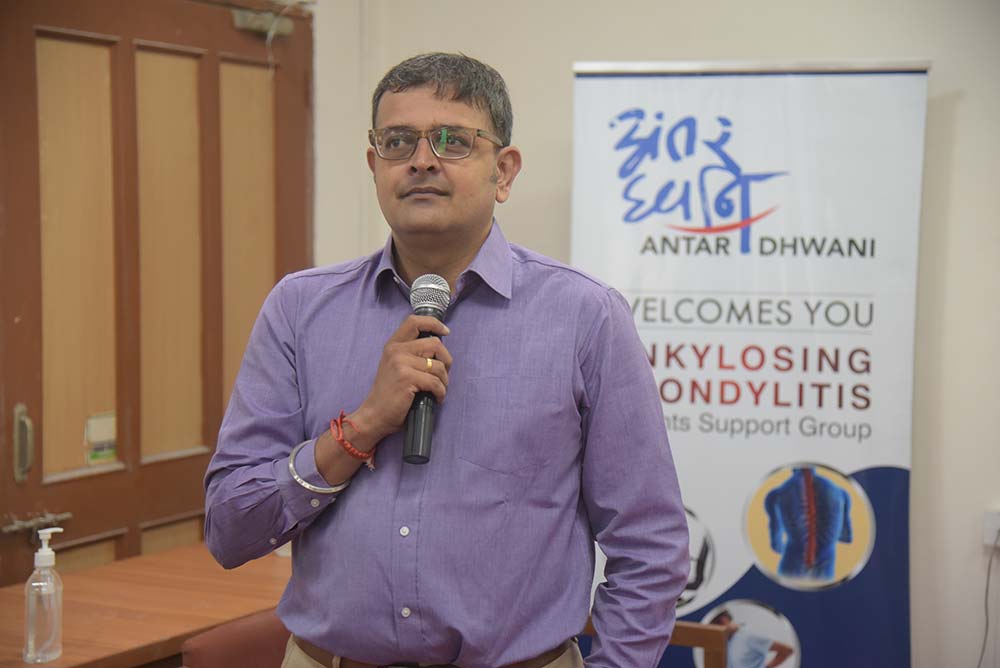
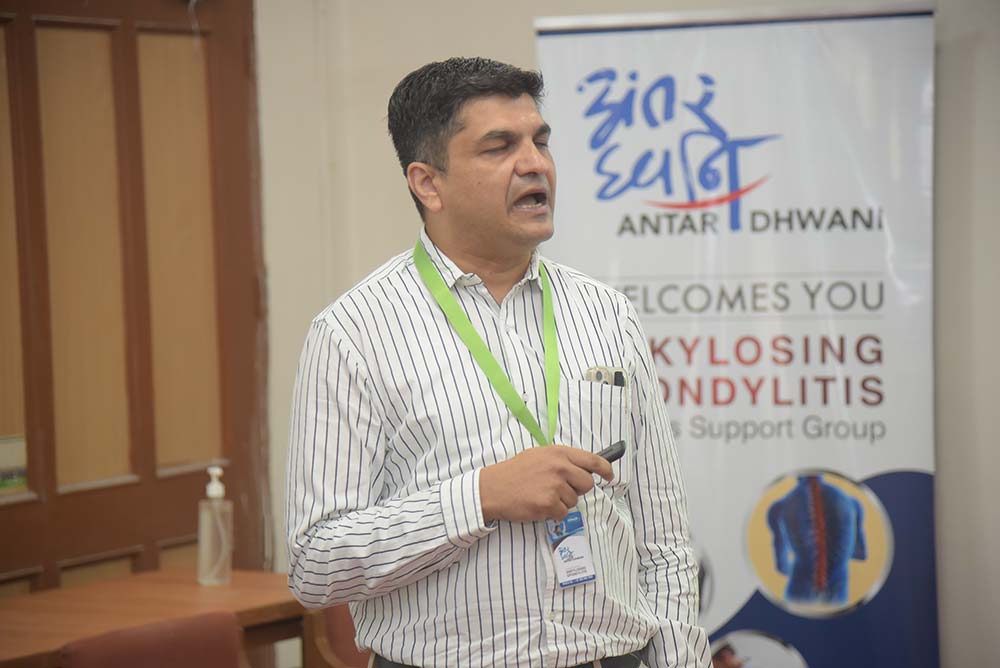
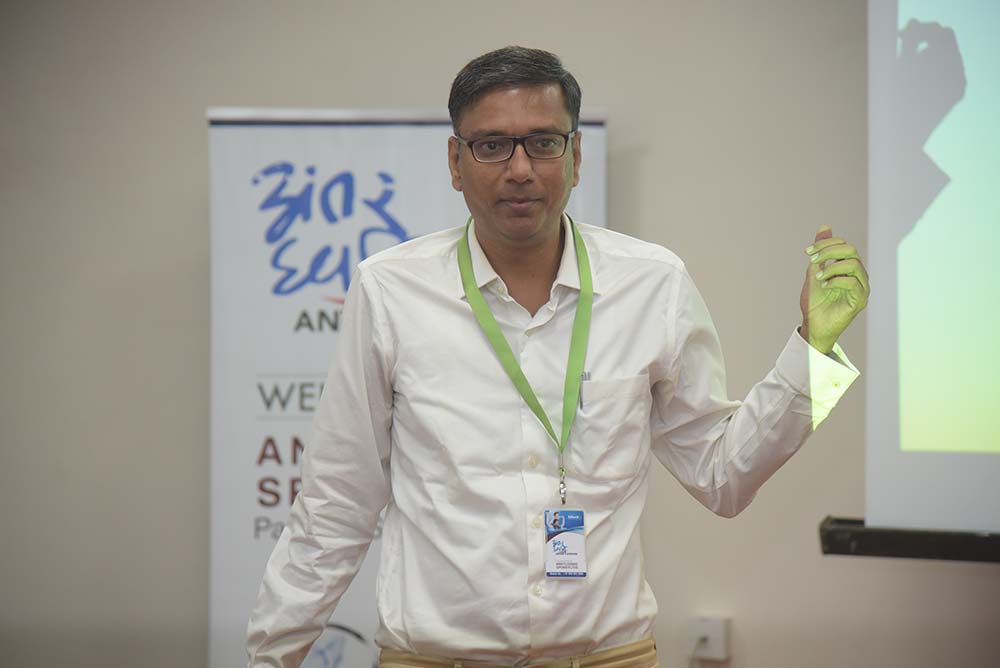
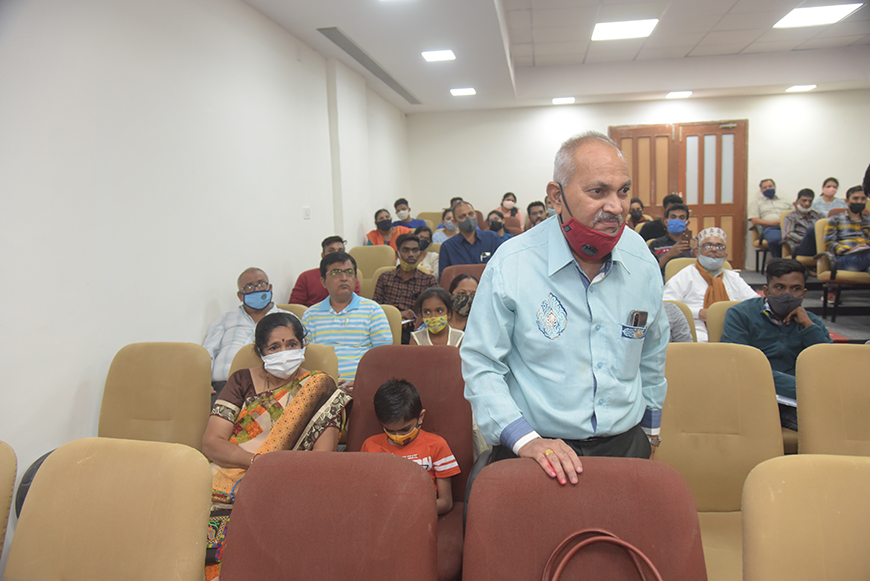
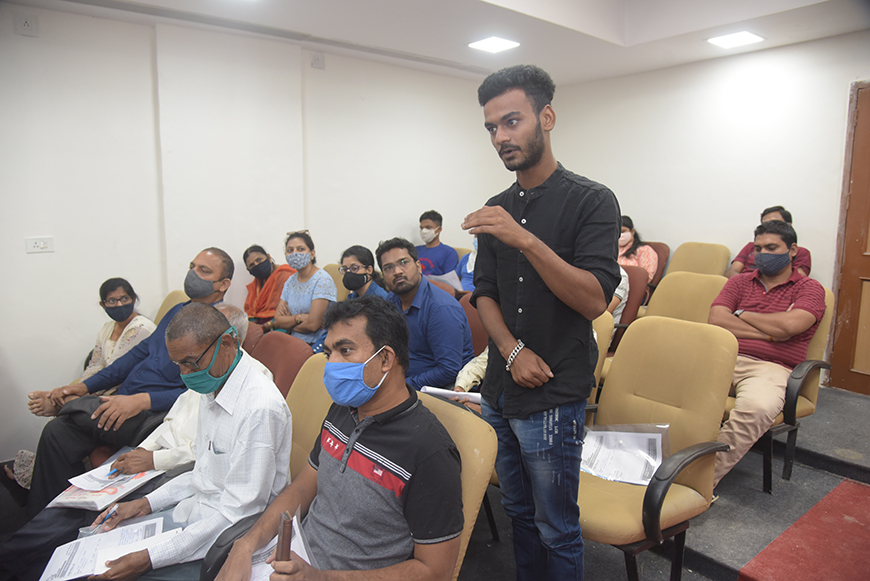
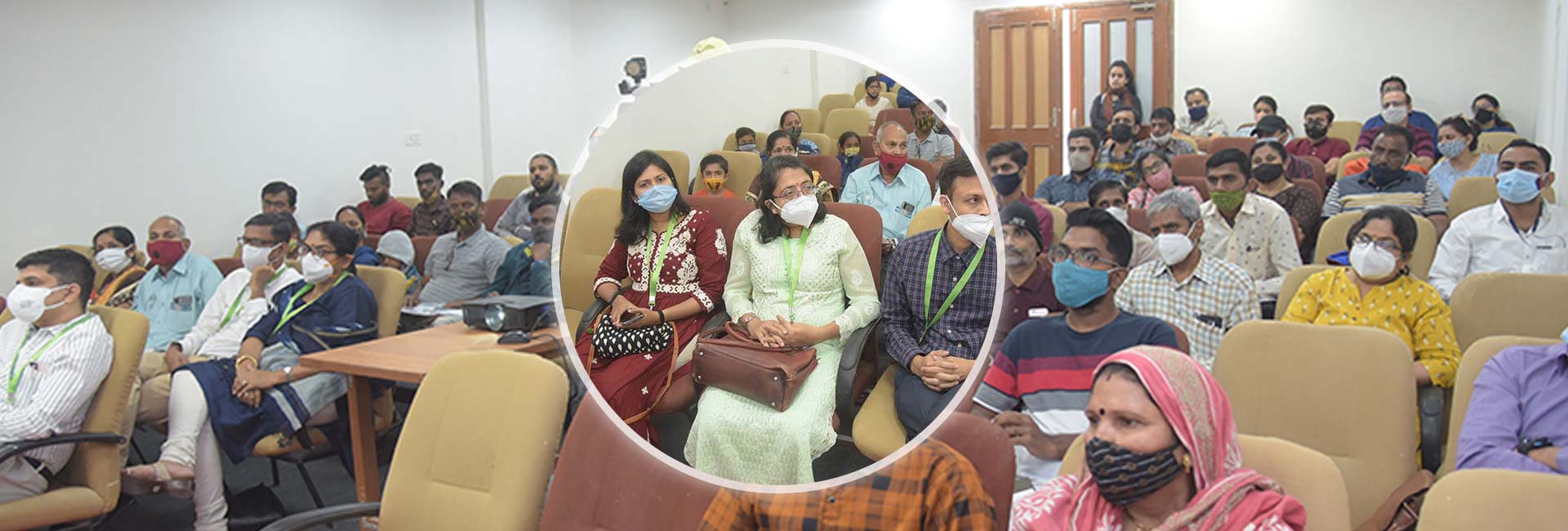
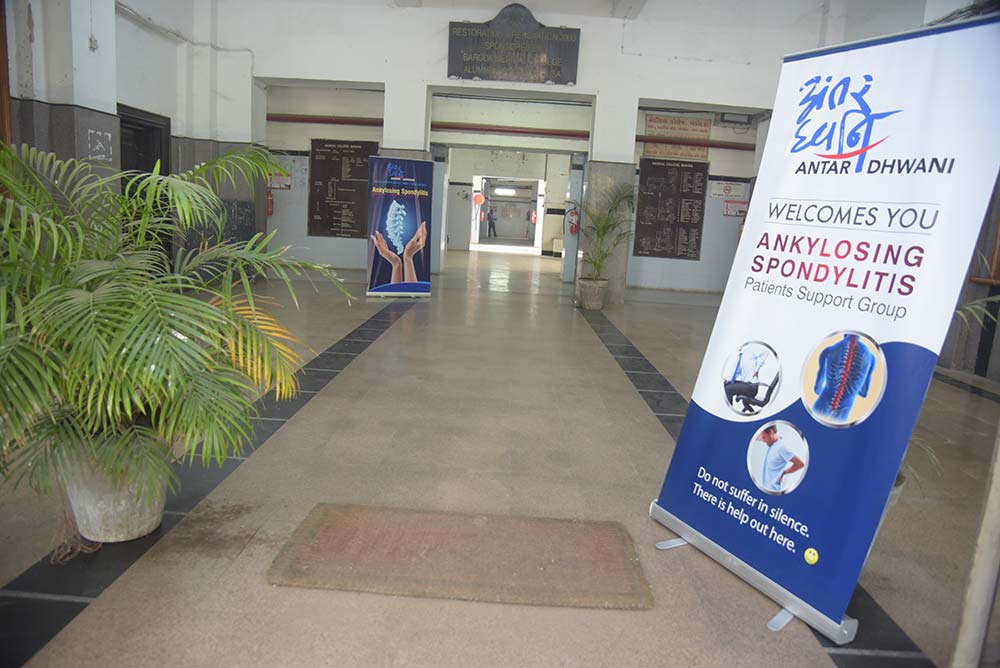
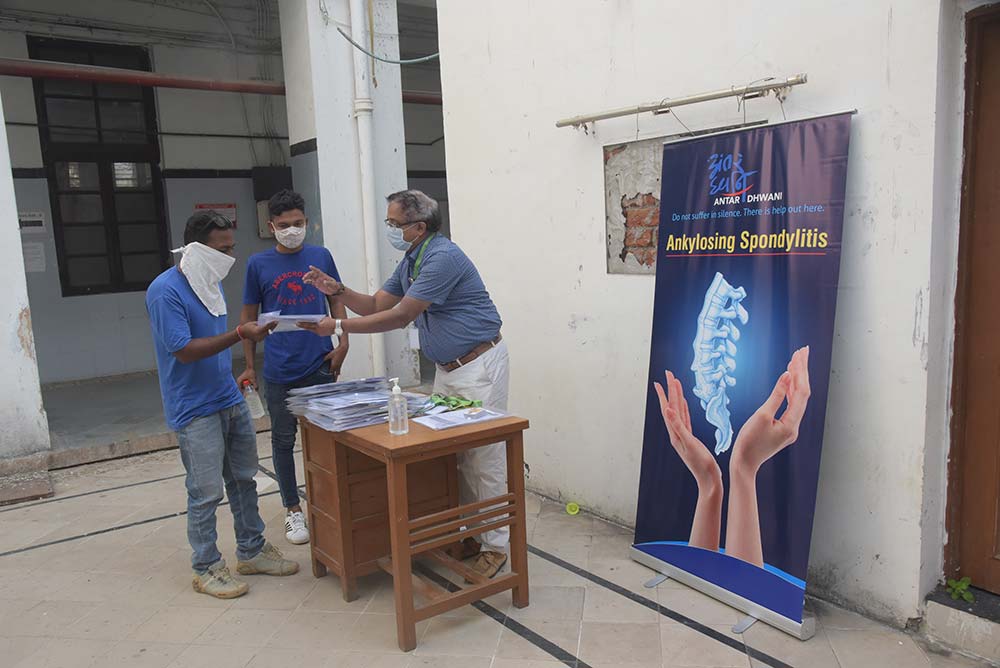
This awareness and education program focuses on Ankylosing Spondylitis, highlighting its symptoms, diagnostic process, and treatment pathways. The session brings together specialists from rheumatology, nutrition, and physiotherapy to provide a holistic perspective on disease care. The event aims to empower patients and caregivers with actionable knowledge to manage symptoms effectively and maintain long-term spinal health.
Key Takeaways

  • Clear understanding of Ankylosing Spondylitis and its symptoms
  • Insight into diagnostic evaluation and clinical assessment
  • Overview of treatment options and disease control strategies
  • Importance of diet and lifestyle modifications
  • Role of physiotherapy in posture, flexibility, and pain management

Agenda

  • Introduction to Ankylosing Spondylitis
  • Recognizing Symptoms and Early Warning Signs
  • Diagnostic Approach and Disease Evaluation
  • Medical Treatment Options and Long-Term Care
  • Nutrition and Physiotherapy in Ankylosing Spondylitis Management
  • Interactive Q&A Session
  • Closing Remarks

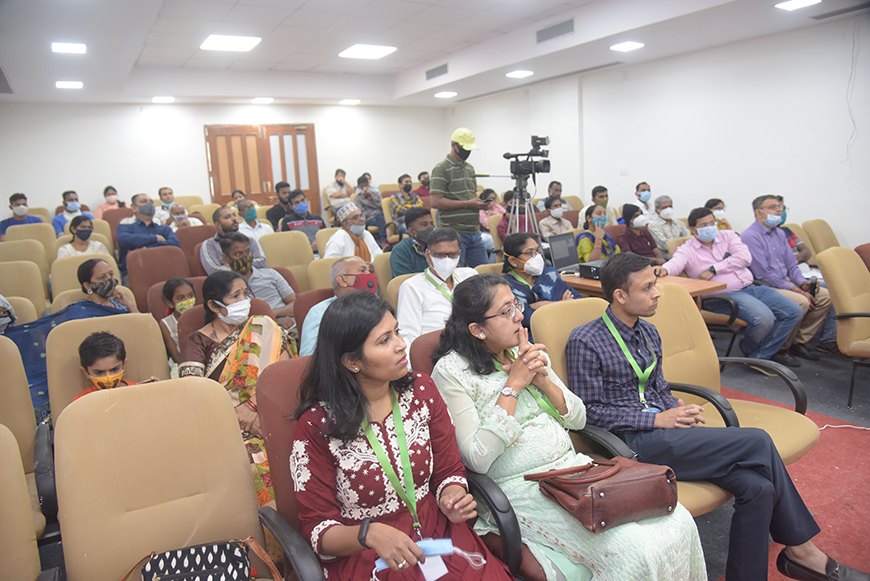
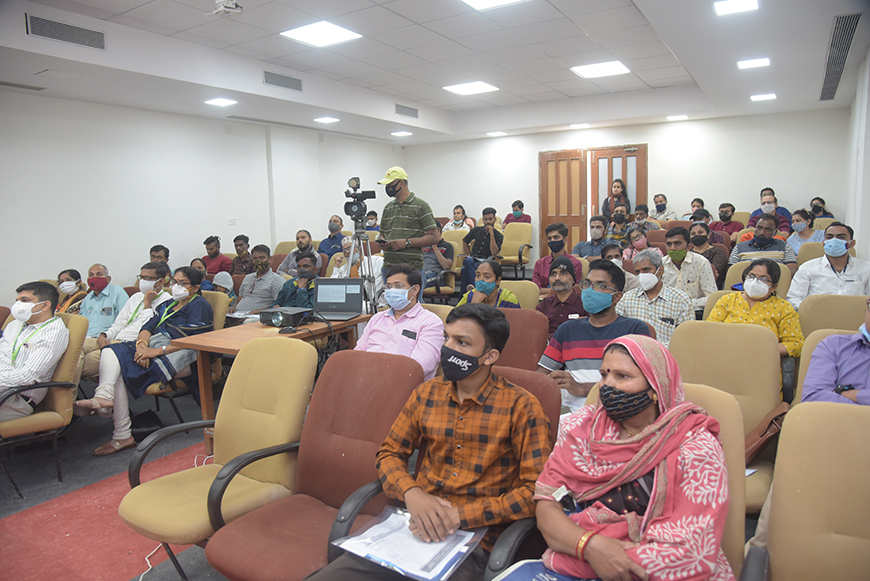
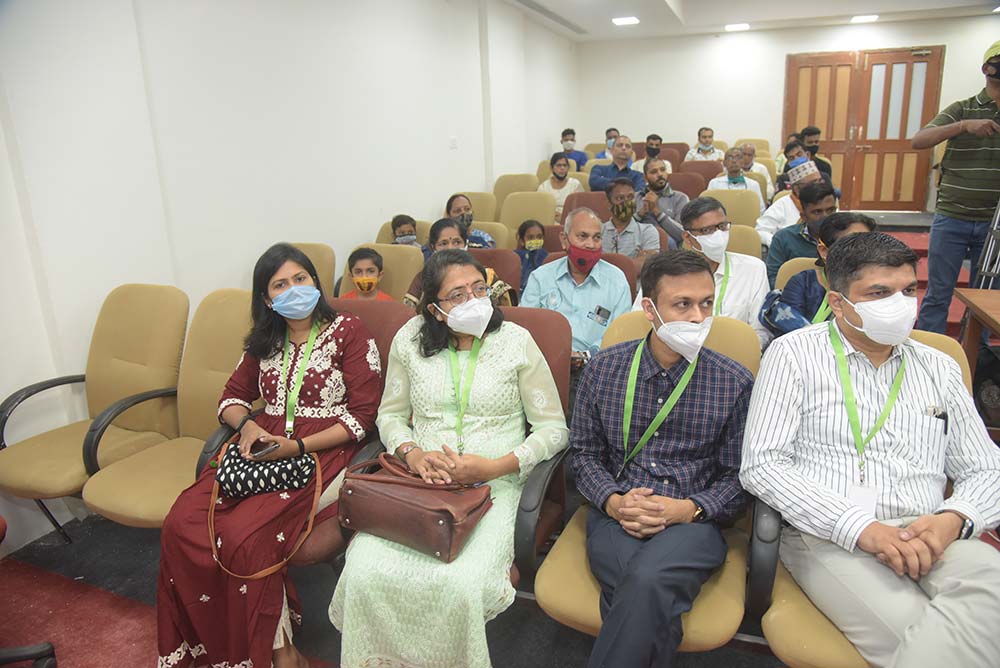
Image Gallery

Q & A

How can I tell if my back pain is Ankylosing Spondylitis or just normal back pain?
+
Ankylosing Spondylitis pain is inflammatory. It usually lasts for months, is worse in the morning or at night, improves with movement, and does not improve with rest. Normal back pain is mechanical and typically improves with rest. Early recognition helps prevent delayed diagnosis and long-term complications.
Is long-lasting morning stiffness a sign of active Ankylosing Spondylitis?
+
Yes. Morning stiffness lasting more than 30–60 minutes often indicates ongoing inflammation in Ankylosing Spondylitis. Persistent stiffness should not be ignored, as it may signal active disease that requires medical evaluation or treatment adjustment.
Can I still have Ankylosing Spondylitis if my X-ray is normal?
+
Yes. In early Ankylosing Spondylitis, X-rays may appear normal. MRI scans and clinical symptoms are more sensitive for early diagnosis. This condition is often referred to as non-radiographic axial spondyloarthritis.
Does Ankylosing Spondylitis always lead to spinal bending or deformity?
+
No. Spinal deformity is not inevitable. With early diagnosis, proper medical treatment, and regular physiotherapy, most patients can maintain good posture, spinal flexibility, and long-term mobility.
Do Ankylosing Spondylitis patients need long-term medication?
+
In most cases, yes. Long-term treatment helps control inflammation, reduce pain, and prevent structural damage to the spine and joints. Stopping medications without medical advice can increase the risk of disease flare-ups and progression.
Should Ankylosing Spondylitis patients rest or exercise when in pain?
+
Complete rest can worsen stiffness. Regular, guided exercise and physiotherapy are essential for maintaining mobility and posture. The right balance between rest and movement depends on disease activity and should be guided by healthcare professionals.
Can Ankylosing Spondylitis affect other organs besides the spine?
+
Yes. Ankylosing Spondylitis can affect the eyes (uveitis), hips, chest expansion, and in some cases the heart and lungs. Early awareness of these symptoms allows timely treatment and prevents serious complications.
Can people with Ankylosing Spondylitis live a normal and active life?
+
Yes. With early diagnosis, appropriate treatment, physiotherapy, and lifestyle adjustments, most people with Ankylosing Spondylitis lead active, independent, and productive lives.
Dark Blue Arrow
Join Now Insights Patient Stories