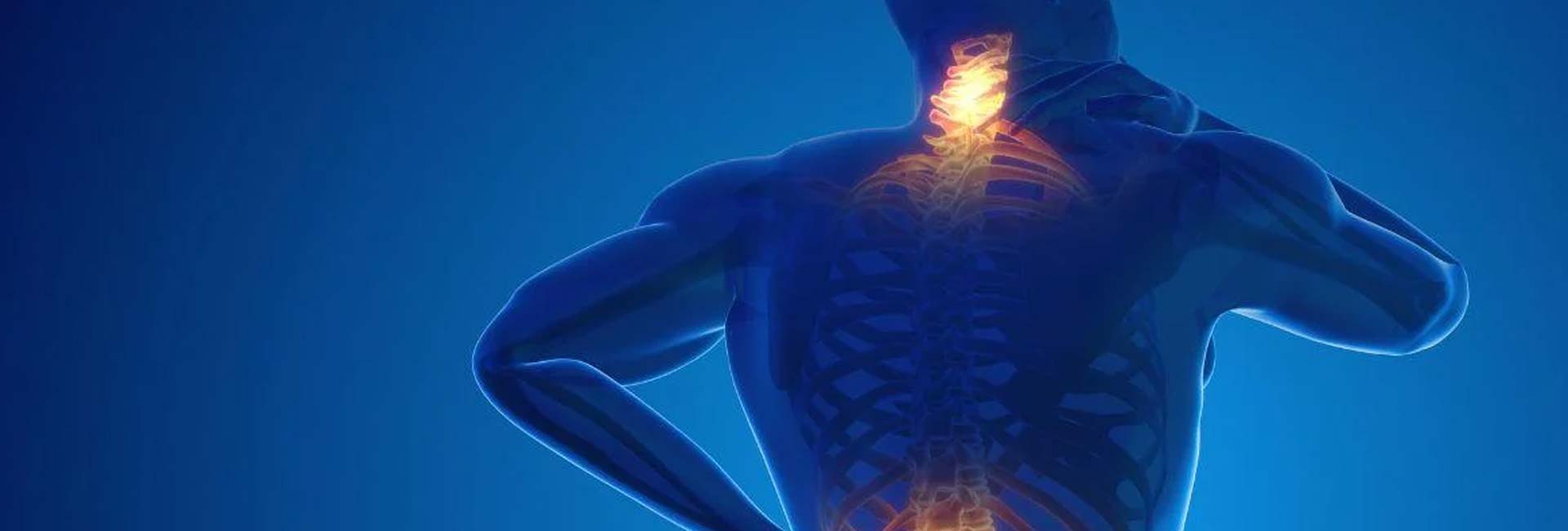

Ankylosing Spondylitis Awareness & Support Event

  • Date: 14th May 2023
  • Venue: Lecture Hall 375, Ground floor, GMERS College , Sola Civil Hospital Campus, Sola, Ahmedabad 380060
  • Event Ended
Ankylosing Spondylitis Awareness & Support Event

Featured Penelists

Dr. Sapan Pandya

Dr. Sapan Pandya

Rheumatologist

Dr. Puja Srivastava

Dr. Puja Srivastava

Rheumatologist

Dr. Dhiren Raval

Dr. Dhiren Raval

Rheumatologist

Dr. Bhowmik Meghnathi

Dr. Bhowmik Meghnathi

Rheumatologist

Dr. Rutviz Mistry

Dr. Rutviz Mistry

Rheumatologist

Dr. Heli Salvi

Dr. Heli Salvi

Physiotherapist

Dr. Sanket Shah

Dr. Sanket Shah

Rheumatologist

Dr. Dhaiwat Shukla

Dr. Dhaiwat Shukla

Rheumatologist

Event Overview

Me and Ankylosing Spondylitis is a patient-focused session that explores the lived experience of being diagnosed with and managing Ankylosing Spondylitis (AS). The event creates a safe and understanding space for individuals to share their personal journeys, challenges, coping strategies, and moments of strength. Through real stories, expert insights, and open conversations, the session helps participants better understand their condition, feel emotionally supported, and gain practical guidance for living a fuller and more confident life with AS.

Event Agenda

  • Welcome & Introduction
  • Understanding Ankylosing Spondylitis
  • Managing Daily Life with AS
  • Interactive Sharing & Community Support
  • Q & A
  • Key Takeaways & Closing Remarks

Q & A

How long does it take to diagnose Ankylosing Spondylitis?
+
On average, it may take 3 to 8 years from the first symptoms to receive a confirmed diagnosis of Ankylosing Spondylitis. In some cases, especially when symptoms start early or are mild, diagnosis may take even longer.
Can Ankylosing Spondylitis cause neck pain or headaches?
+
Yes. Ankylosing Spondylitis can affect the neck (cervical spine), and when this happens, patients may experience neck stiffness, pain, and sometimes headaches.
Is cycling or gym exercise safe for Ankylosing Spondylitis?
+
Yes. Regular, well-planned exercise helps control stiffness, pain, and loss of mobility in AS. The key is choosing the right type of exercise and doing it with proper technique.
What is the role of MRI in early AS diagnosis?
+
MRI plays a key role in the early diagnosis of Ankylosing Spondylitis (AS) because it can detect active inflammation in the sacroiliac joints and spine before permanent damage appears on X-rays. Unlike X-rays, which show changes only in later stages, MRI can identify bone marrow edema and early inflammatory changes, allowing doctors to diagnose AS sooner. Early MRI diagnosis helps start treatment earlier, which can reduce pain, control inflammation, and slow disease progression.
What are warning signs that AS is getting worse?
+
Warning signs that Ankylosing Spondylitis (AS) is getting worse include increasing back or joint pain, stiffness that lasts longer in the morning or no longer improves with movement, and reduced flexibility of the spine. Some people notice worsening posture, persistent fatigue, or pain spreading to new areas such as the hips, shoulders, ribs, or knees. Recurrent eye inflammation (uveitis), difficulty taking deep breaths due to chest stiffness, and a decline in daily functioning or work capacity can also indicate disease progression. If these symptoms appear or intensify, it is important to consult a rheumatologist promptly to adjust treatment and prevent long-term complications.
Dark Blue Arrow
Join Now Insights Patient Stories