

Maintaining correct posture is one of the most important parts of managing Ankylosing Spondylitis. Because AS primarily affects the spine and lower back, small daily habits can prevent your body from gradually adopting a forward-bent stance. The following guidance focuses on practical, easy-to-follow posture strategies you can use at work, at home, and while resting.
AS causes stiffness and inflammation of the spine. Over time, this can pull the torso forward and reduce spinal mobility. Good posture practices help protect spinal alignment, reduce pain, and maintain function. These are preventive measures: they do not replace medical treatment of AS, but they complement it and reduce the likelihood of progressive forward stoop.
1. Adjust your desk setup correctly
A workstation that fits your body prevents unnecessary bending and strain. Make the workstation suit you rather than forcing your body to adapt to the furniture.
2. Take stretching breaks every 15–20 minutes
Sitting in one position for long periods increases stiffness. Every 15–20 minutes, take a short break to move and stretch. This simple habit preserves spinal mobility and reduces pain.
3. Choose a pain-free, relaxing posture
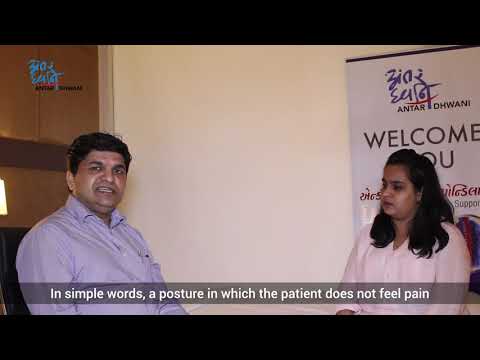
A practical rule to follow: a posture is good if you do not feel pain after 15–20 minutes. If a position causes discomfort within minutes, it is not suitable for your spine. Listen to your body and adjust.
4. Follow universal posture guidelines
The basics remain powerful. Make these habits automatic:
Incorporate these quick movements during breaks to maintain mobility:
Contact your healthcare provider or a physiotherapist if you experience increasing pain, progressive forward bending, or any new neurological symptoms such as numbness or weakness. Personalized assessment and a supervised exercise program can make a meaningful difference in long-term outcomes.
Consistency matters more than perfection. Small, repeated habits—an ergonomic workstation, frequent micro-breaks, and choosing positions that do not cause pain—go a long way in protecting spinal alignment and preserving function in Ankylosing Spondylitis.


Why do some people develop ankylosing spondylitis (AS) while others do not? The answer lies in a combination of inherited…

Back pain is common, but not all back pain is the same. Recognizing the difference between inflammatory back pain and…

Corticosteroids are powerful anti-inflammatory medicines. In ankylosing spondylitis (AS), they can bring rapid symptom relief, but they are not a…