

Ankylosing spondylitis (AS) is a chronic inflammatory disease that mainly affects the spine and sacroiliac joints. It often begins with persistent low back pain and stiffness, especially in the morning, and can progress to reduced spinal mobility and structural damage if not recognized and treated early. Among the lifestyle factors that influence disease course, smoking has one of the strongest negative effects.
Ankylosing spondylitis is part of a group of inflammatory arthritis conditions. In AS, inflammation targets the entheses—the places where ligaments and tendons attach to bone—most commonly along the spine and the sacroiliac joints. Ongoing inflammation can lead to new bone formation and fusion of vertebrae, causing stiffness and disability over time.
Common early symptoms:
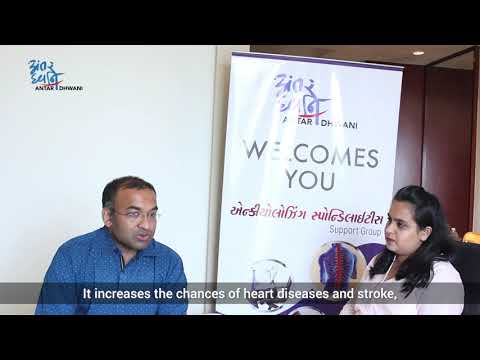
Smoking is not just bad for lungs. In AS it increases systemic inflammation, speeds structural damage to the spine, and worsens symptoms. Patients who smoke typically have higher disease activity and poorer functional outcomes than non-smokers.
Key ways smoking affects AS:
Biological therapies, such as tumor necrosis factor inhibitors and interleukin-17 blockers, have revolutionized treatment for moderate to severe AS by targeting specific pathways of inflammation. However, smoking can blunt the benefits of these drugs.
If you are on or considering biologics, quitting smoking improves your chance of achieving better disease control, reduces progression risk, and helps maintain physical function. Discuss any concerns with your rheumatologist before starting or adjusting therapy.
Early recognition and timely treatment for AS can prevent or limit spinal damage. Many people delay seeking care because symptoms seem like normal back pain. When AS is identified early, appropriate anti-inflammatory treatment, disease-modifying approaches, and rehabilitation can preserve mobility and quality of life.
What continuous treatment and follow-up provide:
Medication alone is not enough. Regular physical therapy and an active lifestyle are essential pillars of AS management. Exercise helps maintain posture, spinal mobility, chest expansion, and overall function.
Practical rehabilitation tips:
Managing ankylosing spondylitis effectively combines medical treatment, lifestyle changes, and regular follow-up. Here are clear actions to reduce disease impact:
Make an appointment with a rheumatologist if you have chronic back pain that started before age 45, morning stiffness lasting more than 30 minutes, or persistent buttock/hip pain. Early specialist input helps tailor therapy, consider imaging or blood tests, and discuss advanced options like biologics.
Ankylosing spondylitis is a manageable condition when recognized early and treated continuously. Smoking significantly worsens inflammation, accelerates structural damage, and reduces treatment effectiveness. Quitting smoking, staying active, committing to physiotherapy, and working closely with a rheumatologist offer the best chance to control disease, preserve function, and enjoy a better quality of life.


Why do some people develop ankylosing spondylitis (AS) while others do not? The answer lies in a combination of inherited…

Maintaining correct posture is one of the most important parts of managing Ankylosing Spondylitis. Because AS primarily affects the spine…

Back pain is common, but not all back pain is the same. Recognizing the difference between inflammatory back pain and…