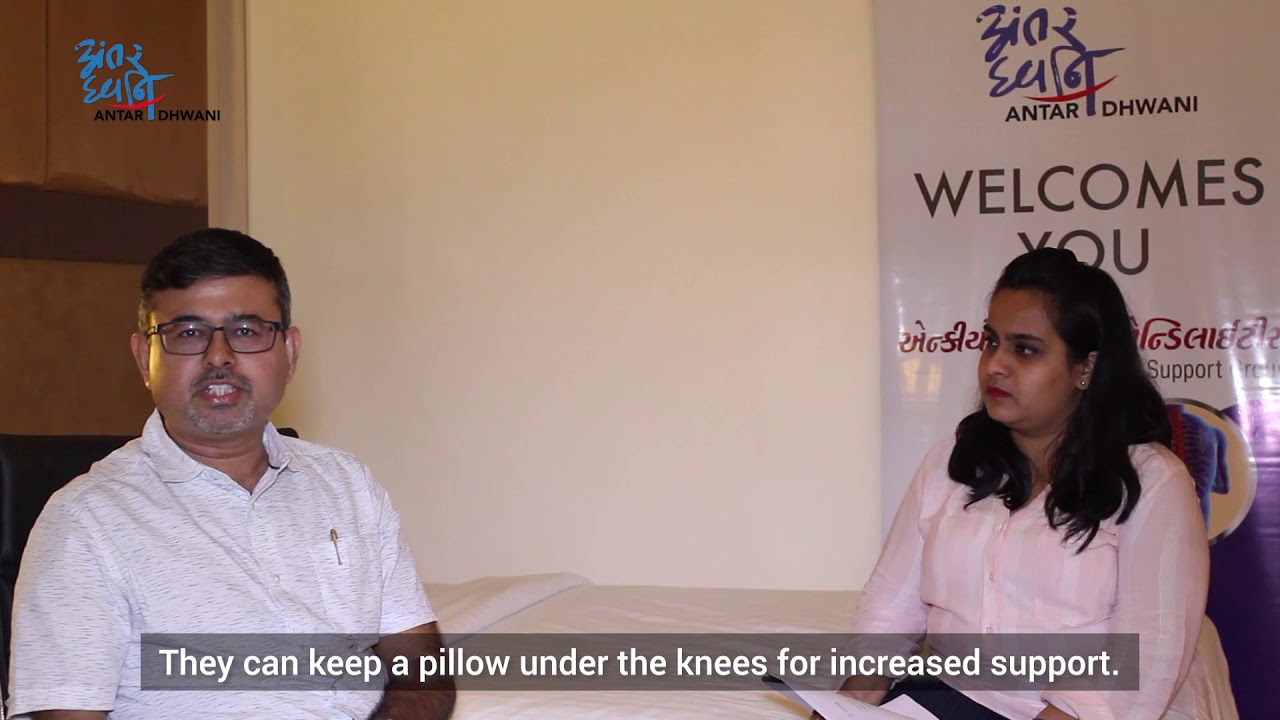
Ankylosing spondylitis (AS) primarily affects the spine, and for many people it brings stiffness and back pain that can make sleep difficult. There is no single perfect sleeping posture that works for everyone living with Ankylosing spondylitis. The best position is the one that helps you relax, reduces strain on your spine, and lets you wake up with less pain.
Why sleeping posture matters for AS
Sleep affects recovery, pain perception, and morning stiffness. Poor spinal alignment while you sleep can increase pressure on inflamed joints and surrounding muscles, making ankylosing spondylitis symptoms worse. On the other hand, a supportive sleep setup and gentle nighttime routine can help reduce discomfort and improve sleep quality.
Common sleeping positions and what to consider
Different positions have different effects on spinal alignment. Try these approaches and choose what feels most comfortable for your body.
On your back (supine)
- Often a good starting point because it keeps the spine relatively neutral.
- Place a thick pillow under your knees to reduce lumbar strain and maintain a gentle curve in the lower back.
- Use a low to medium-height pillow under your head so the neck is not overly bent.
On your side
- Many people find side sleeping comfortable. Keep your legs slightly bent rather than tightly curled.
- Put a pillow between your knees to keep hips and lower spine aligned and to avoid torsion through the pelvis.
- Use a pillow that supports the space between your ear and shoulder so your neck stays neutral.
Avoid stomach sleeping when possible
- Sleeping on your stomach forces the neck into rotation and can hyperextend the lower back, which often increases pain and stiffness.
- If you cannot sleep any other way, try placing a thin pillow under your pelvis and lower abdomen to reduce lumbar extension.

▶
Pillows and mattress: simple adjustments that help
The right mattress and pillows make a big difference in comfort for people with AS.
- Mattress firmness: A medium-firm mattress often offers the best balance of support and pressure relief. Too soft and your spine can sag. Too firm and pressure points may cause discomfort.
- Head pillow: Choose a pillow that keeps your neck in a neutral line with your spine. Memory foam or contour pillows can help some people.
- Pillow under the legs: Placing a thick pillow under the knees when lying on your back or between the knees when on your side is one of the simplest, most effective ways to reduce back strain.
Bedtime routine and gentle stretches
A short routine of gentle stretching before bed can relax tight muscles and reduce morning stiffness. Focus on slow, controlled movements and stop if anything increases pain.
- Hip and hamstring stretch: Gentle forward bends or lying hamstring stretches using a strap can release tension in the back chain.
- Knee-to-chest: Lie on your back and bring one knee to your chest at a time, holding for 20 to 30 seconds to ease lower back tightness.
- Gentle spine mobility: Slow cat and cow style movements on hands and knees can help maintain flexibility in the thoracic and lumbar spine.
If you are unsure which stretches are safe for you, consult a physiotherapist who can tailor exercises to your condition and mobility.
Practical tips to improve sleep with AS
- Experiment with positions and pillows until you find what reduces pain and helps you sleep longer.
- Use heat such as a warm shower or heat pack before bed to relax stiff muscles.
- Maintain sleep hygiene: consistent sleep schedule, a cool dark bedroom, and avoiding screens before bed support better rest.
- Support the lumbar area with a rolled towel or lumbar cushion if you need extra lower back support while sitting or sleeping.
- Keep moving during the day with gentle low-impact activity to reduce stiffness at night.
When to seek professional help
If poor sleep, increasing pain, or progressive stiffness interferes with daily life, see your healthcare provider. They can review your treatment plan, recommend appropriate physical therapy, and suggest sleep aids or positional supports tailored to your needs.
Key takeaways
- No single perfect sleeping posture exists for everyone with ankylosing spondylitis. Comfort and spinal alignment matter most.
- Try back or side sleeping with a thick pillow under the knees or between the legs to reduce lumbar strain.
- Use a supportive mattress and appropriate pillows to maintain neutral spinal alignment.
- Gentle stretching before bed can reduce stiffness and improve morning comfort.
- Consult a clinician or physiotherapist if sleep and pain remain uncontrolled or if you need personalized guidance.