

Effective management of Ankylosing Spondylitis (AS) starts with recognizing who it affects and how it’s measured. While Rheumatoid Arthritis (RA) predominantly affects women (3:1 ratio), AS is more common in men (3:1 ratio). Because symptoms vary by individual, the BASDAI (Bath Ankylosing Spondylitis Disease Activity Index) is the essential tool for turning your personal pain into an objective score for your doctor.
How common is AS in men and women?
AS is more common in men, with an estimated male-to-female ratio around 3:1. Still, a significant proportion of people with AS are women. Moreover, women may present with different symptoms and often experience delays in diagnosis because their disease can be less classical on X-ray or more peripheral in presentation.
Core clinical differences: AS vs RA
The two conditions differ in where they attack the body, what tests show, and how they progress.
- Primary area affected: AS is an axial disease that primarily affects the spine and sacroiliac joints, causing inflammatory back pain. Rheumatoid Arthritis predominantly targets peripheral joints—hands, wrists, and feet—causing symmetrical joint swelling.
- Inflammatory markers and serology: RA often shows positive rheumatoid factor or anti-CCP antibodies in blood tests (seropositive RA). AS is typically seronegative; routine autoantibodies are usually absent.
- Genetics: AS has a strong association with HLA-B27 in many populations, though not all people with AS carry this marker. RA has different genetic risk factors and immune signatures.
- Imaging: X-rays or MRI in AS can show sacroiliitis and progressive changes in the spine. Early AS in women may show less obvious radiographic changes, so MRI is often more useful. RA shows erosions and joint space narrowing in peripheral joints.
- Symptoms in women: Women with AS may report more peripheral joint pain and less classic radiographic fusion. Fatigue, widespread pain, and stiffness can mimic other conditions, including RA, fibromyalgia, or non-inflammatory back pain.
Measuring disease activity: BASDAI and BASFI
Objective ways to track symptoms matter. Two widely used tools for AS are the BASDAI and the BASFI.
What is BASDAI?
BASDAI stands for Bath Ankylosing Spondylitis Disease Activity Index. It is a patient-reported questionnaire covering:
- Fatigue
- Spinal pain
- Joint pain and swelling
- Areas of localized tenderness
- Morning stiffness — its severity and duration
Each item is scored and combined into a final number from 0 to 10. A BASDAI score of 4 or greater generally indicates active disease that may warrant treatment escalation or change.
What is BASFI?
BASFI, the Bath Ankylosing Spondylitis Functional Index, measures functional impairment. It asks about practical activities such as putting on socks, bending, reaching, and standing. Like BASDAI, it is scored 0 to 10, and higher scores indicate greater disability.
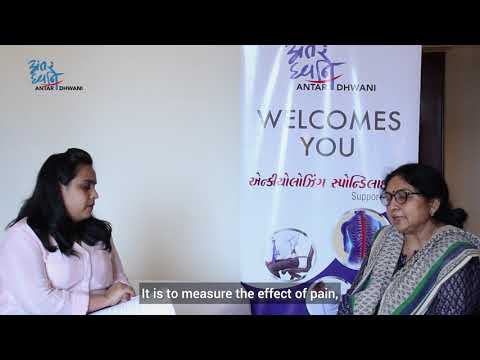
▶
How these scores guide treatment
Regular BASDAI and BASFI assessments let clinicians track response to therapy and decide when to change treatment. For example:
- A persistently high BASDAI despite NSAIDs and exercise may prompt escalation to biologic therapies such as TNF inhibitors or IL-17 inhibitors.
- Worsening BASFI suggests increasing functional limitation and may trigger interventions such as targeted physiotherapy, occupational therapy, or closer review of medication effectiveness.
Treatment and management considerations for women
Management principles are similar for men and women, but women may need tailored approaches because of differences in symptoms, reproductive planning, and pain perception.
- Medications: NSAIDs are first-line for symptom control. If disease activity remains high, disease-modifying options include biologic agents. Choice of agent should consider pregnancy plans and breastfeeding.
- Physical therapy and exercise: Regular spinal mobility exercises, posture training, and supervised physiotherapy are essential to preserve function and reduce stiffness.
- Pain and fatigue management: Women with AS often benefit from a combined approach addressing sleep, mood, and chronic pain—sometimes with adjunctive therapies.
- Reproductive health: Discuss medication safety before conception. Some drugs are compatible with pregnancy; others require stopping or switching under specialist guidance.
Practical tips for patients
- Keep a symptom diary noting morning stiffness duration, pain scores, and fatigue—these help calculate BASDAI between clinic visits.
- Ask your rheumatologist about baseline and follow-up imaging, especially MRI if X-rays are normal but symptoms persist.
- Engage in a regular exercise program focused on spinal mobility and core strength.
- Discuss family planning early so medication choices can be optimized.
- Seek a second opinion if symptoms are dismissed or if diagnosis is delayed despite significant inflammatory back pain.
Key takeaways
Ankylosing spondylitis is not exclusive to men. Women with inflammatory back pain deserve careful assessment for AS alongside considerations for RA. Using tools like BASDAI and BASFI helps quantify symptoms and guide treatment decisions. Early recognition, appropriate imaging, and a combined plan of medication, physiotherapy, and lifestyle support can preserve function and improve quality of life.