
What Is Ankylosing Spondylitis?

Understanding ankylosing spondylitis is the first step toward better pain control, mobility, and quality of life.

What Is Ankylosing Spondylitis?
Understanding Ankylosing Spondylitis How AS Progresses Common symptoms of AS Causes and Risk Factors

Understanding Ankylosing Spondylitis

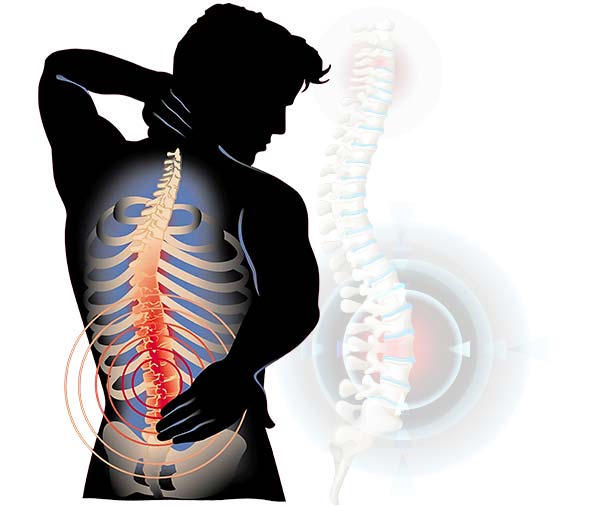
Ankylosing spondylitis represents a form of inflammatory arthritis which primarily affects spinal areas but can also impact other body joints. it describes how spinal joint inflammation creates chronic back pain and stiffness which restricts movement.

Inflammation of the spine in Ankylosing Spondylitis can trigger abnormal new bone formation, causing sections of the spine to gradually fuse together. Through the Ankylosing Spondylitis A Complete Guide for Patients and Families can better understand how new bone growth between spinal segments leads to reduced flexibility, limited mobility, and, in some cases, kyphosis.

The condition affects more than just the spinal area. The condition causes pain and stiffness to appear in various body parts including the shoulders and hips and ribs and heels and small joints of hands and feet. The eyes become inflamed through iritis or uveitis in some patients while lung and heart involvement remains extremely rare.

The sacroiliac (SI) joints which connect the spine to the pelvis, become inflamed during the initial stages of ankylosing spondylitis. The presence of this inflammation serves as a vital indicator for doctors to diagnose the condition.

People who understand ankylosing spondylitis can identify its symptoms at an early stage to receive proper medical treatment for effective disease management.

Play video

How Ankylosing Spondylitis Progresses

The initial symptoms of ankylosing spondylitis include back pain which improves when moving but gets worse when resting. The spine will develop stiffness or fusion when inflammation persists without proper control. The upper back develops a forward curvature known as kyphosis when the spine becomes fused through the process of fusion.

  • Early inflammation in spinal joints
  • Gradual loss of flexibility and posture
  • Variable progression without timely treatment
  • Long-term impact on mobility and daily life

Early medical intervention becomes essential because it helps prevent the disease from advancing.

How Ankylosing Spondylitis Affects the Body

In Ankylosing Spondylitis, the immune system mistakenly causes inflammation in the spine and surrounding joints. Persistent inflammation can lead to pain, stiffness, and, in advanced cases, fusion of spinal bones, reducing flexibility and posture.

While the spine is most commonly affected, AS can also involve:

  • Hips and shoulders
  • Rib joints, affecting chest expansion
  • Eyes (uveitis)
  • In rare cases, the heart and lungs

The progression varies from person to person, making regular monitoring and medical guidance essential.

Common symptoms of Ankylosing Spondylitis

Symptoms of AS may appear gradually and change over time. Common signs include:

Causes and Risk Factors of Ankylosing Spondylitis

A mix of genetics, immunity, and environmental triggers contributes to AS.
Causes

  • Genetic predisposition (HLA-B27)
  • Immune system dysfunction
  • Chronic inflammation of joints
  • Abnormal inflammatory response
  • Interaction of genes and environment

Risk Factors

  • Family history of AS
  • Presence of HLA-B27 gene
  • Onset in young adults
  • Male gender
  • History of inflammatory conditions
Why Early Detection Matters

Why Early Detection Matters

People who receive an early diagnosis of ankylosing spondylitis can start receiving appropriate treatment, which helps control their symptoms. Proper management of the condition helps patients achieve pain relief while protecting their mobility and stopping spinal fusion and joint deterioration from occurring.

A rheumatologist needs to be consulted when back stiffness persists along with heel pain and eye inflammation that keeps recurring.

How Ankylosing Spondylitis Is Diagnosed

Diagnosing Ankylosing Spondylitis can be challenging, especially in its early stages, as symptoms often resemble common back pain. There is no single test that confirms AS. Instead, diagnosis involves a careful combination of clinical evaluation, medical history, imaging studies, and laboratory tests guided by a rheumatologist.

Clinical Evaluation

The diagnostic process usually begins with a detailed discussion of symptoms, including the nature of back pain, morning stiffness, fatigue, and family history of inflammatory conditions. Doctors look for signs of inflammatory back pain, such as pain that improves with movement and worsens with rest.

Imaging Tests

Imaging plays a key role in identifying inflammation and structural changes.

  • X-rays may show changes in the sacroiliac joints or spine, though these often appear later in the disease.
  • MRI scans can detect early inflammation even before visible damage occurs, making them especially valuable for early diagnosis.

Blood Tests

Blood tests help support the diagnosis by identifying inflammation and genetic markers. These may include:

  • Inflammatory markers such as ESR and CRP
  • Testing for the HLA-B27 gene, which is commonly associated with AS

FAQs — About Ankylosing Spondylitis

How does ankylosing spondylitis progress?

+
AS starts with back pain and stiffness, often worse at rest. Without treatment, inflammation can cause spinal fusion and kyphosis.

What parts of the body are affected?

+
Mostly the spine, hips, shoulders, and ribs; it can also affect eyes, and rarely the heart and lungs.

Why does AS cause spinal fusion?

+
Chronic inflammation triggers new bone growth that fuses vertebrae, reducing flexibility and mobility.

What is kyphosis in AS?

+
Kyphosis is a forward curve of the upper spine caused by fused vertebrae due to long-term inflammation.

How does AS affect daily life?

+
Pain, stiffness, limited movement, posture changes, and eye inflammation can make daily activities harder.

Can AS affect the heart and lungs?

+
Rarely, inflammation can reduce chest expansion or impact heart function, especially in advanced cases.

Why is early medical intervention important?

+
Early treatment reduces pain, maintains mobility, and helps prevent spinal fusion and other complications.

Can AS affect joints beyond the spine?

+
Yes. AS can involve hips, shoulders, neck, knees, and areas where tendons and ligaments attach to bone (enthesitis), including the heels.

How variable is AS progression?

+
Progression differs per person; some experience slow changes, while others develop stiffness and fusion faster.

How can AS-related eye problems be detected?

+
Redness, pain, blurred vision, or light sensitivity may indicate uveitis and require prompt care.

What can I do to manage AS progression?

+
Take prescribed medication, exercise regularly, maintain posture, and attend routine medical check-ups.
Dark Blue Arrow
Join Now Insights Patient Stories