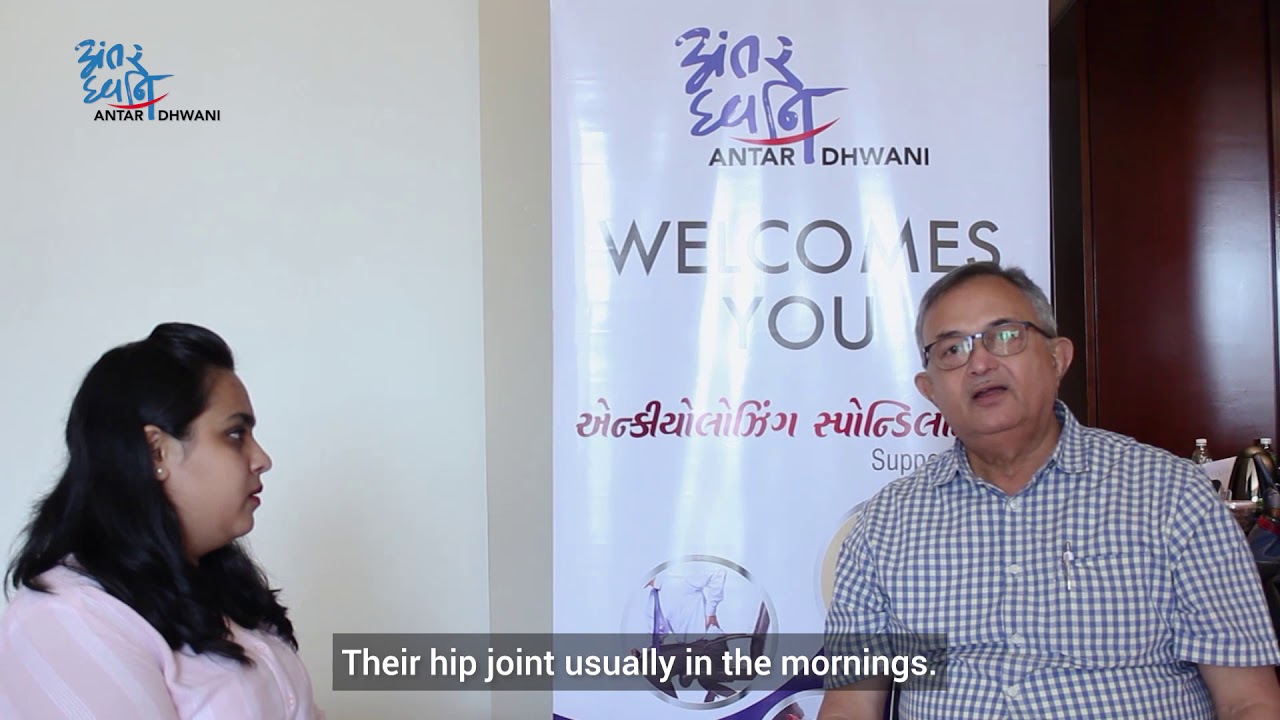
Persistent stiffness and pain in the lower back, especially first thing in the morning, can be more than ordinary backache. This pattern morning stiffness that improves with movement often points toward Ankylosing Spondylitis (AS), a form of inflammatory arthritis that mainly affects the spine and sacroiliac joints.
What is Ankylosing Spondylitis?
Ankylosing Spondylitis is a chronic inflammatory condition that targets the spine and the joints where the spine meets the pelvis. Over time inflammation can cause pain, stiffness, reduced flexibility and, in some people, progressive fusion of spinal segments. Early recognition and management help preserve movement and quality of life.
Common symptoms
- Persistent lower back pain lasts for weeks to months.
- Morning stiffness or stiffness after prolonged rest that eases with activity.
- Reduced spinal flexibility, making it harder to bend or turn.
- Pain can spread to the neck, hips or other joints.
- Extra-articular features such as eye inflammation (uveitis) causing redness, pain or vision changes.
What causes Ankylosing Spondylitis?
The exact cause of ankylosing spondylitis is not fully known, but several ankylosing spondylitis risk factors increase the likelihood of developing the condition.
- Genetic predisposition: The HLA-B27 gene is strongly associated with AS. Carrying this gene raises the likelihood of developing the condition but is not a guarantee many people with HLA-B27 never develop AS, and some with AS do not carry the gene.
- Immune system factors: An abnormal immune response leads to inflammation of the spine and nearby joints.
- Environmental triggers: Infections particularly gastrointestinal infections may trigger or worsen symptoms in genetically predisposed people.
- Stress and overall health: Physical or psychological stress and poor general health may influence disease activity.

▶
How AS can affect the whole body
While AS most often begins in the lower back and sacroiliac joints, it can involve other areas:
- Neck and shoulder pain and stiffness.
- Hips and knees large joints can become inflamed.
- Eyes acute uveitis is a common extra-articular manifestation and needs prompt treatment to prevent complications.
- Chest wall stiffness reduced ability to take deep breaths when the ribs are involved.
How is Ankylosing Spondylitis diagnosed?
Diagnosis combines clinical assessment with investigations:
- Clinical history and physical exam focusing on patterns of back pain and stiffness.
- Blood tests: markers of inflammation (CRP, ESR) and HLA-B27 testing.
- Imaging: X-rays and MRI to detect inflammation and structural changes in the sacroiliac joints and spine.
Management: why movement and early care matter
Treatment aims to reduce inflammation, relieve pain, preserve function and prevent disability. Key components include:
- Regular exercise and physiotherapy: Gentle, consistent movement maintains spinal flexibility, improves posture and reduces stiffness. The more you move correctly, the better the spine stays mobile.
- Medications: Nonsteroidal anti-inflammatory drugs (NSAIDs) often provide symptomatic relief. In moderate to severe cases, disease-modifying treatments such as biologic agents may be recommended under specialist care.
- Posture and ergonomics: Active attention to posture and workplace setups reduces strain on the spine.
- Monitoring for complications: Regular follow-up to check for eye inflammation and other extra-articular issues.
Practical daily tips
- Start the day with gentle stretching to reduce morning stiffness.
- Avoid long periods of immobility; take short walks or stretch breaks during the day.
- Use a firm mattress and maintain a neutral sleeping posture.
- Work with a physiotherapist to learn targeted exercises for posture, breathing and spinal mobility.
When to seek medical attention
See a physician if you experience:
- Persistent low back pain lasting several weeks, especially if worse in the morning.
- Stiffness improves with activity but returns after rest.
- Eye pain, redness or changes in vision.
- New or worsening difficulty with breathing or chest expansion.
Final note
Ankylosing Spondylitis can be managed successfully when identified early and treated appropriately. Understanding the role of genetics like HLA-B27, recognizing trigger factors such as infections and stress, and committing to regular movement and medical follow-up are the pillars of long-term spine health.