
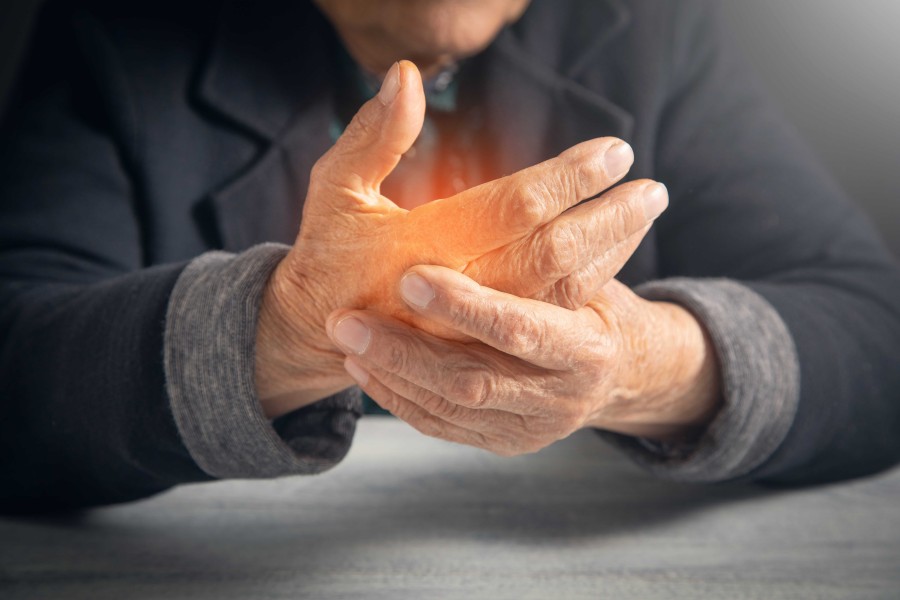
Rheumatoid arthritis is traditionally perceived as a disease of older age. However, emerging evidence suggests that this chronic autoimmune condition is increasingly affecting younger adults, reshaping how health professionals understand and respond to arthritis in India. Once considered uncommon in people under 40, RA is now surfacing more frequently among young adults, disrupting careers, lifestyles, and long-term physical health.
In Ahmedabad, cases among people aged 20–40 have reportedly increased tenfold, according to reporting by Ahmedabad Mirror. This trend mirrors broader patterns seen in urban India and underscores an urgent need for awareness, early diagnosis, and targeted treatment strategies.
Arthritis encompasses a range of joint conditions, but RA stands apart due to its autoimmune mechanism, in which the body’s immune system mistakenly attacks healthy joint tissues. While osteoarthritis, a form of wear-and-tear arthritis, is often associated with ageing, RA can begin at any age. The World Health Organization notes that RA’s onset most commonly occurs between ages 30 and 50, but it can affect younger people as well.
In recent years, doctors have been observing more cases of rheumatoid arthritis among younger adults than previously expected. What was once considered uncommon before middle age is now being diagnosed in people in their 20s and 30s. This shift suggests that age may no longer be a reliable indicator for ruling out inflammatory arthritis, especially when symptoms such as persistent joint pain, stiffness, or swelling are present.
RA remains less common in young adults than in middle-aged or older adults. Nonetheless, the growing number of diagnoses in people under 40 particularly women suggests a shift that patients and healthcare systems can no longer overlook.
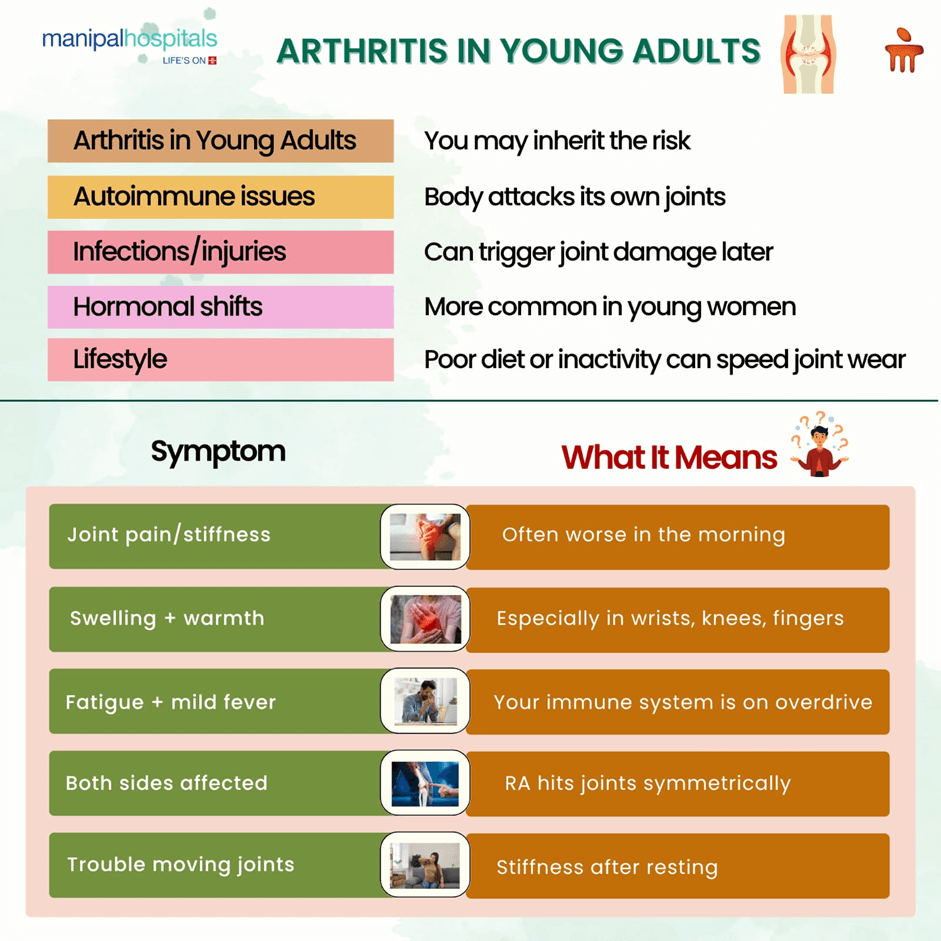 Source : manipalhospitals.com
Despite extensive research, the exact cause of RA remains unknown. However, scientists and clinicians agree that the disease arises from a complex interplay of genetic, immune, hormonal, environmental, and lifestyle factors.
At its core, RA is a chronic autoimmune condition. The immune system becomes dysregulated, attacking the synovium, the lining of the joints, causing inflammation, pain, and eventual joint damage. This process can begin silently and evolve gradually over months or years.
Genetic factors play a substantial role. Certain gene variants increase susceptibility to autoimmune conditions like RA, especially when combined with specific triggers. Individuals with family histories of autoimmune diseases are at higher risk.
Smoking, exposure to air pollution, and infections are believed to act as environmental triggers that may activate RA in genetically predisposed individuals. This interplay between genes and environment is central to RA’s unpredictability.
Women are disproportionately affected by RA, often at younger ages than men, suggesting that hormonal influences may modify immune responses. Experts note that the female-to-male ratio can range from 3:1 to 5:1, a pattern observed both in India and globally.
Obesity, sedentary habits, and poor diet are increasingly recognized as contributors to systemic inflammation, a factor that may accelerate the onset or severity of RA. Tobacco use, especially smoking, remains one of the most significant modifiable risk factors for RA and worsens disease progression.
Though RA has no cure, effective treatment can control its symptoms, slow disease progression, and preserve joint function.
Regular, guided exercise and physical therapy help preserve joint mobility and strengthen muscles supporting affected joints.
Maintaining a healthy weight, a balanced diet rich in anti-inflammatory foods (e.g., fish, nuts, vegetables), quitting smoking, and managing stress are essential supportive strategies.
In cases of advanced joint damage, reconstructive surgeries — such as joint replacements — can improve function and quality of life.
Beyond physical treatment, comprehensive care includes education, mental health support, and access to RA support groups, which have shown benefits for long-term wellbeing.
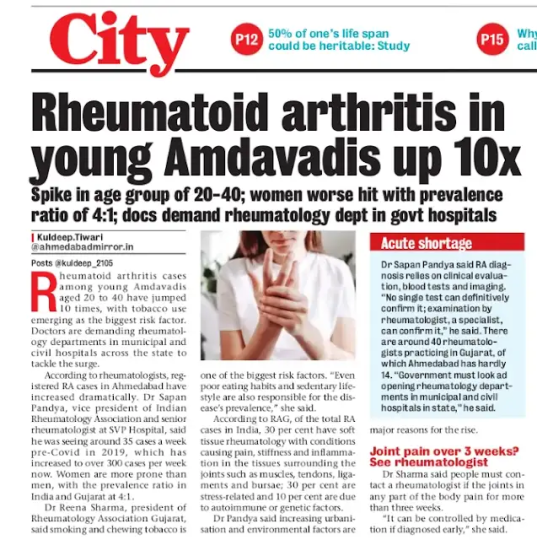
An Ahmedabad Mirror report highlights a striking increase in registered RA cases among young adults in Ahmedabad. According to the report, weekly cases have risen from about 35 before the COVID-19 pandemic to more than 300 today. This explosion in diagnoses points to a changing disease landscape, where younger populations are increasingly affected.
Experts cited in the report emphasize that tobacco use and sedentary lifestyles are among the biggest risk factors accelerating this trend. Additionally, environmental pollutants and dietary changes linked to urban living may be contributing to chronic inflammation and autoimmune disorders among younger adults.
Women in this age group are reportedly affected far more than men — a 4:1 ratio in both Ahmedabad and broader parts of India. This mirrors national and global trends in RA and may be reflective of hormonal, genetic, and immune differences between sexes.
Despite rising disease prevalence, access to rheumatology specialists remains limited. Gujarat is estimated to have around 40 practising rheumatologists statewide, with only a fraction based in Ahmedabad’s municipal and civil hospitals. Advocates are urging government intervention to establish dedicated rheumatology departments within public health facilities.
Early diagnosis is critical for effective RA management. Persistent joint pain, particularly when lasting longer than three weeks, warrants medical evaluation by a specialist. RA typically presents with symptoms such as:
If left untreated, RA can lead to irreversible joint damage, deformities, and limitations in daily functioning, making early specialist input essential.
Rheumatoid arthritis is no longer just a disease of later life. Reports from Ahmedabad, supported by global clinical data and lifestyle trends, point to a significant shift: younger adults are experiencing RA with increasing frequency. For India, this trend has implications not only for clinical care and public health infrastructure but also for awareness campaigns, early screening initiatives, and targeted support systems.
Awareness remains the cornerstone of early detection. Individuals experiencing persistent joint pain, stiffness, or reduced mobility should seek medical evaluation promptly. In addition to clinical treatment, lifestyle modifications and community support networks can empower young adults living with RA to maintain quality of life and sustain productive futures.
As RA continues to impact the younger population, coordinated action among healthcare providers, policymakers, and patient communities will be essential to mitigate the burden of this chronic autoimmune condition across Gujarat and the nation.


Introduction Systemic inflammation refers to a long-lasting inflammatory response that affects the entire body. While inflammation is a natural and…

Introduction Rheumatoid arthritis (RA) is a chronic autoimmune disease that causes pain, swelling, stiffness, and reduced mobility in the joints.…

Pregnancy is one of the most important milestones in a woman’s life. For women living with Rheumatoid Arthritis (RA), it…