

When 25-year-old Priya woke up one morning with stiff, swollen fingers, she dismissed it as fatigue from her desk job. Three months later, the pain had spread to her wrists, knees, and shoulders. Simple tasks like opening a jar or climbing stairs became daily battles. Like thousands of young Gujaratis, Priya was unknowingly joining a growing health crisis that demands immediate attention from our state government: Rheumatoid Arthritis (RA).
Recent data has revealed a shocking trend that should serve as a wake-up call for Gujarat’s healthcare policymakers: Rheumatoid arthritis cases among young Amdavadis aged 20-40 have jumped tenfold since pre-Covid times in 2019.
Dr. Sapan Pandya, Vice President of the Indian Rheumatology Association (IRA) and Senior Rheumatologist at SVP Hospital, reports that he was seeing around 35 cases per week before 2019. Today, that number has surged to over 300 cases per week. This isn’t just a statistical increase, these are real people, young professionals, parents, students, whose lives are being profoundly impacted by a debilitating chronic condition.
The gender disparity is particularly concerning. Women are disproportionately affected, with a prevalence ratio of 4:1 compared to men, both in India overall and specifically in Gujarat. This means for every man diagnosed with RA, four women are battling this condition. These are mothers, daughters, sisters, and professionals in their prime years, facing a disease that can dramatically alter their quality of life.
Many people mistakenly believe arthritis is an “old person’s disease.” This dangerous misconception delays diagnosis and treatment for thousands of young patients.
Rheumatoid Arthritis is a chronic autoimmune disease where the body’s immune system mistakenly attacks its own tissues, primarily affecting the joints. Unlike osteoarthritis (wear-and-tear arthritis), RA can strike at any age and causes inflammation that can damage not just joints, but also other body systems.
According to the Rheumatology Association Gujarat (RAG), approximately 30% of total RA cases in India involve soft tissue rheumatology conditions that cause:
Dr. Reena Sharma, President of Rheumatology Association Gujarat, emphasizes a critical Guideline: “If you experience joint pain in any part of your body for more than three weeks, consult a rheumatologist immediately.”
Dr. Sapan Pandya explains that RA diagnosis relies on clinical evaluation, blood tests, and imaging. “No single test can definitively confirm it; examination by rheumatologist, a specialist, can confirm it,” he states. Early detection and treatment are crucial because they can:
The dramatic increase in young RA cases isn’t random. Medical experts have identified several contributing factors prevalent in modern Gujarat lifestyle:
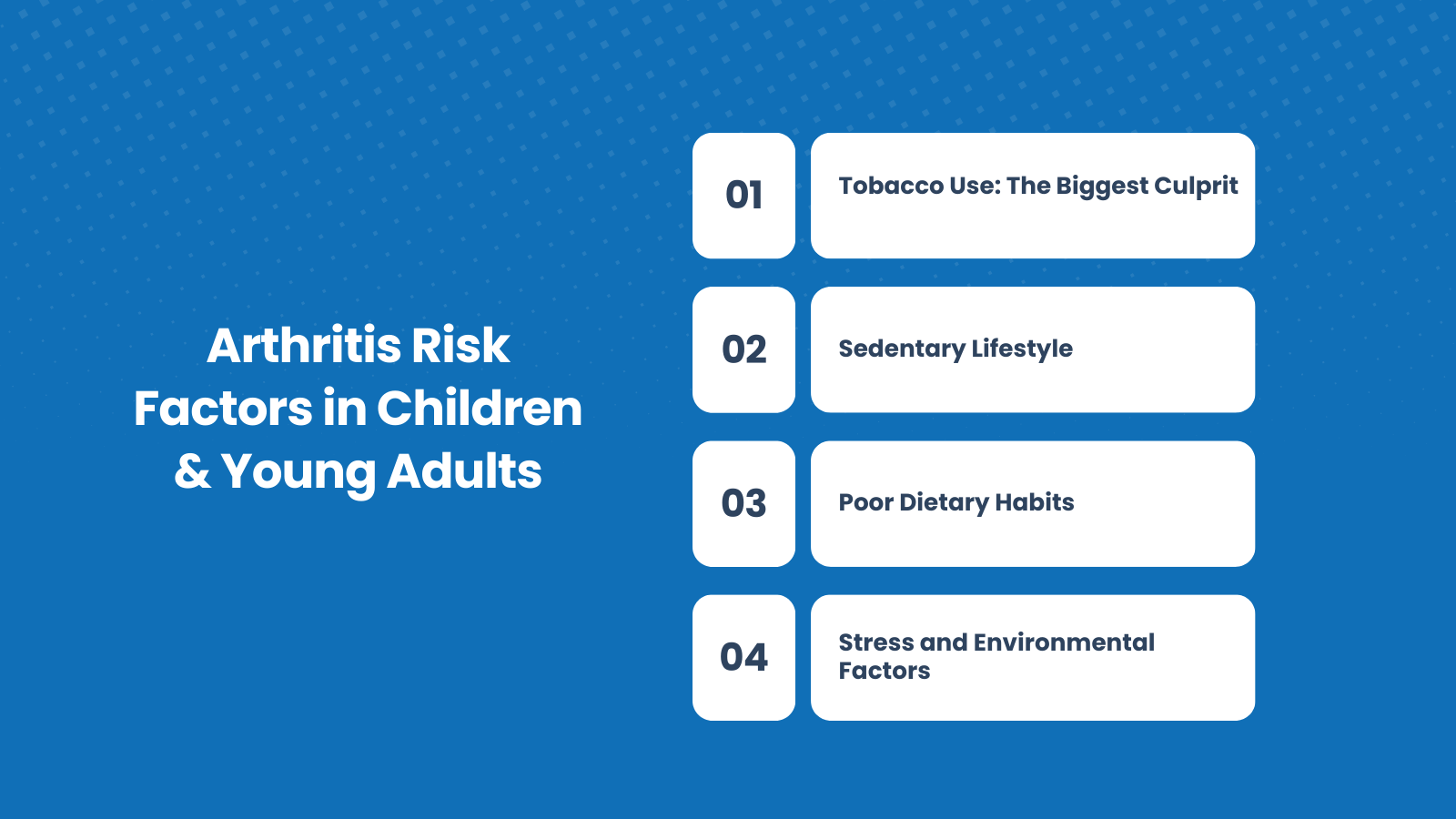
Dr. Reena Sharma identifies smoking and chewing tobacco as one of the biggest risk factors for RA.
The tobacco epidemic in Gujarat, particularly gutkha and tobacco consumption among youth, is contributing significantly to this health crisis.
Dr. Pandya reinforces this, noting that tobacco use is “emerging as the biggest risk factor” for developing rheumatoid arthritis.
The shift to desk jobs, increased screen time, and reduced physical activity creates the perfect storm for RA development. “Even poor eating habits and sedentary lifestyle are also responsible for the disease’s prevalence,” Dr. Pandya notes.
Modern fast-food culture and nutrient-poor diets fail to provide the anti-inflammatory nutrients our bodies need to maintain immune system balance.
According to RAG data, stress-related factors account for 30% of cases, while 10% are due to autoimmune or genetic factors. Environmental factors and urbanization also play significant roles.
Here’s the most distressing reality: Gujarat has only around 40 practicing rheumatologists for a population of over 60 million people. Ahmedabad, the state’s largest city, has merely 14 rheumatologists.
Dr. Pandya alone seeing over 300 cases per week, and similar patterns reported by other rheumatologists, the patient-to-specialist ratio is dangerously inadequate. Patients often wait months for appointments, during which their condition worsens, potentially leading to irreversible joint damage.
The Consequences of This Shortage
As a patient support organization that witnesses daily the suffering caused by inadequate rheumatology services, we make this urgent appeal to the Gujarat State Government:
Dr. Pandya’s call is clear: “Government must look at opening rheumatology departments in municipal and civil hospitals in state.” This isn’t a luxury, it’s a necessity. We specifically request:
The shortage of specialists requires immediate action:
Given the epidemic proportions, we need:
Many effective RA treatments are expensive. We request:
For effective planning and intervention:
While we advocate for systemic changes, patients and families can take proactive steps:
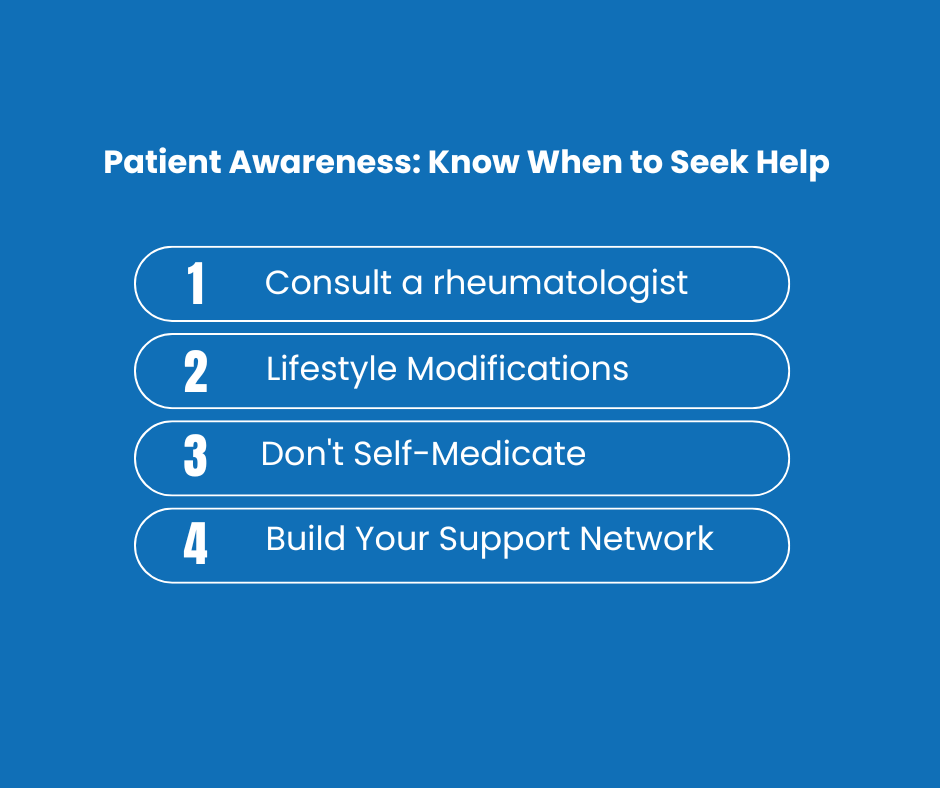
Take control of modifiable risk factors:
Many patients take pain relievers for months without proper diagnosis. While these may provide temporary relief, they:
Living with RA requires emotional and practical support:
Here’s the hopeful message we want every reader to understand: When diagnosed early and treated properly, rheumatoid arthritis can be effectively managed.
Dr. Sharma assures patients: “It can be controlled by medication if diagnosed early.” Modern treatments, including DMARDs and biological therapies, can:
But this is only possible with timely access to rheumatology specialists, which brings us back to why government action is so urgently needed.
The tenfold increase in young RA cases isn’t a distant statistic; it represents thousands of young Gujaratis whose futures are at stake. Every month of delay in establishing adequate rheumatology services means:
We call upon the Gujarat Government, Health Department, and policymakers to recognize this public health emergency and take immediate action. We call upon medical colleges and teaching hospitals to prioritize rheumatology education and training. We call upon the community to spread awareness, eliminate stigma, and support those living with RA.
As a leading patient support group, we are committed to:
If you or someone you know is struggling with joint pain, if you’ve been diagnosed with RA and feel alone, or if you want to support this cause, reach out to us. Together, we can create a Gujarat where no young person’s life is diminished by a treatable disease simply because adequate medical care wasn’t available.
Every Gujarati deserves access to quality rheumatology care. Joint pain is not something you should “just live with.” Early detection and treatment can preserve your quality of life, your career, your dreams.
If you’ve had joint pain for more than three weeks, don’t wait. Seek specialist care. Your future self will thank you.
Let’s work together to ensure that Gujarat’s healthcare system rises to meet this challenge. Our young generation deserves nothing less.
