
Discover supportive, non-traditional approaches that many people use alongside standard medical care to manage pain, stiffness, and improve well-being.
Join our community →
Living with Ankylosing Spondylitis (AS) can be challenging, especially when pain, stiffness, fatigue, and emotional stress affect everyday life. While medications and medical supervision remain essential, many people with AS explore alternative or complementary treatments to support symptom relief, improve mobility, and enhance overall well-being.
The term alternative therapy refers to Complementary and Alternative Medicine (CAM) practices that replace standard medical treatment while complementary therapy describes their use as additional to conventional treatments.
Members of an Ankylosing Spondylitis Support Group community use CAM topics to share their experiences while following standard Ankylosing Spondylitis Treatment Information

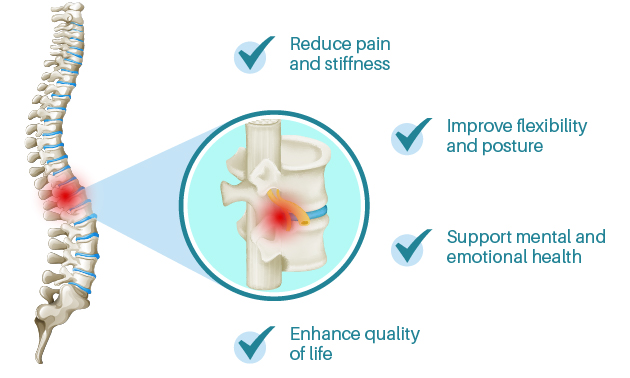
Alternative treatments refer to non-conventional therapies that are not part of standard medical care. When used together with prescribed treatments, they are often called complementary therapies.
These approaches do not cure Ankylosing Spondylitis, but they may help:
It is important to remember that AS is a chronic inflammatory condition, and alternative treatments should always be used under medical guidance.
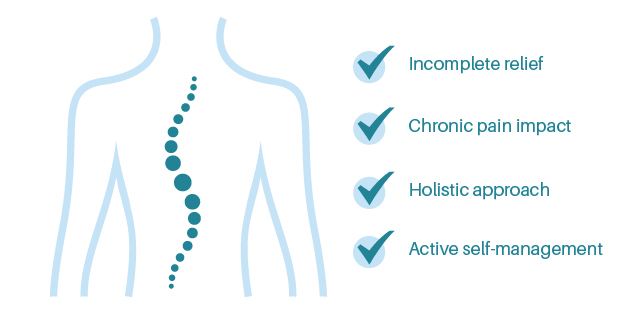
Many individuals turn to alternative approaches because:
Each person’s response to these therapies is different, and what works for one individual may not work for another.

Acupuncture involves inserting fine needles at specific points on the body. Some people with AS report short-term relief from pain and muscle tension. While scientific evidence in AS is limited, it may help support pain management when performed by a trained professional.

Gentle massage can help relax tight muscles, improve circulation, and reduce stress. For people with AS, massage should focus on comfort rather than deep pressure, especially around the spine and inflamed joints.

Some individuals explore manual therapies to improve movement. However, forceful spinal manipulation may be unsafe for people with spinal fusion or weakened bones. These therapies should only be considered after consulting a rheumatologist and a practitioner experienced with inflammatory spinal conditions.
Complementary approaches that support medical treatment and promote overall well-being

Regular movement is one of the most important supportive strategies for AS. Gentle stretching, walking, swimming, and posture-focused exercises can help maintain flexibility and reduce stiffness when practiced consistently.

Yoga, tai chi, and breathing exercises support balance, posture awareness, flexibility, and stress reduction. Modified poses and guided instruction are essential to avoid strain or injury.

Chronic inflammation and pain can affect mental health. Meditation, mindfulness, and relaxation techniques may help reduce stress, anxiety, and emotional fatigue associated with long-term illness.

There is no single “AS diet,” but some individuals find symptom relief by focusing on:
Dietary changes should be personalized and guided by a healthcare or nutrition professional.
While Ankylosing Spondylitis is a lifelong condition, early diagnosis and proper management can significantly reduce symptom severity. Treatment plans may include medication, physical therapy, posture management, and lifestyle adjustments.
Equally important is emotional and community support knowing you are not alone in this journey.
Many people living with Ankylosing Spondylitis delay medical consultation because early symptoms often resemble common back pain or muscle stiffness. However, early medical evaluation is critical to prevent long-term complications and preserve mobility.
You should consider seeing a doctor preferably a rheumatologist if you experience any of the following signs:

What’s new in our journey against arthritis and spondylitis.